
Spain to ban under-16s from social media under new digital safety laws
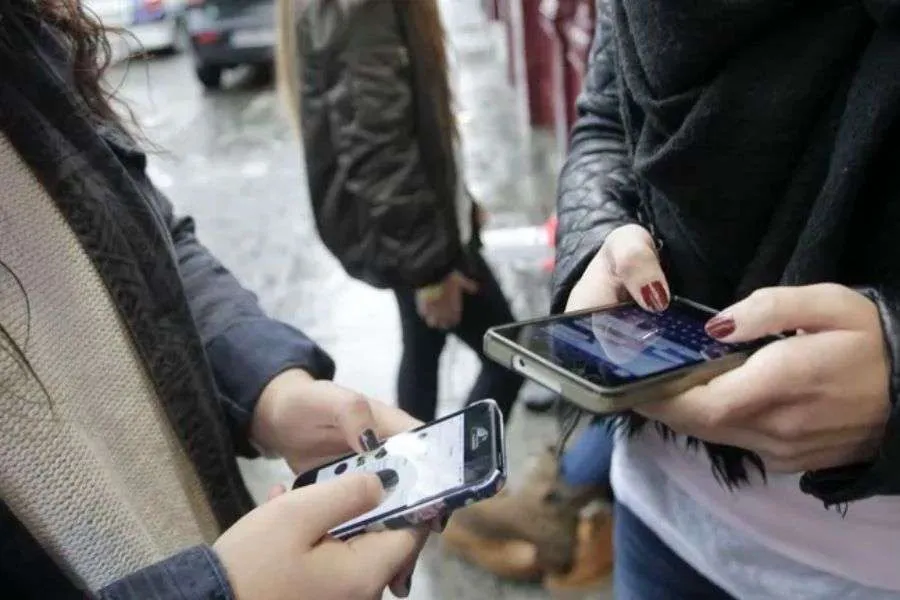
Spain is preparing to introduce one of Europe’s toughest online safety laws, including a full ban on children under 16 accessing social media platforms. The announcement was made by Prime Minister Pedro Sánchez, who confirmed that the Government will approve the new legislation next week as part of a wider plan to combat illegal content, hate speech, and online disinformation.
The proposal forms part of a major crackdown on digital platforms such as X, TikTok and Meta, which the Government accuses of allowing harmful, false or manipulated content to spread unchecked. Under the draft law, CEOs of these companies could face criminal prosecution if their platforms fail to remove illegal material, including child sexual content or manipulated AI images.
The legislation will also require strict age-verification systems to stop minors from creating accounts. Spain is working alongside several EU countries to push for continent-wide restrictions, with Brussels already exploring measures to curb what it calls “manipulative algorithms” aimed at children.
During a speech at the Global Governments Summit in Dubai, Sánchez described social networks as places “where laws are ignored, crimes are tolerated, disinformation outweighs truth, and half of users suffer hate attacks”. He said that major tech companies should not be “above the law” and that Europe must regain control over the digital space.
The Prime Minister also urged Spain’s Public Prosecutor to investigate alleged offences involving AI-generated content on platforms such as Grok (X’s artificial intelligence system), TikTok, and Meta. Grok is currently under EU investigation after generating millions of sexualised images, including thousands involving minors.
A new national system will be introduced to track and measure online hate and polarisation, creating a “ranking” of platforms based on their failure or success in preventing harmful content. Sánchez said the aim is to make transparent “what is currently an opaque phenomenon”.
He cited examples of AI-generated anti-immigration posts and illegal sexual content circulating widely on social media, and criticised tech mogul Elon Musk for spreading misinformation about Spain’s immigration policies. “We must defend our digital sovereignty against any foreign interference,” he said, insisting that despite the power and wealth of social media giants, governments “must not be afraid” to act.
Share: