
What Teenagers Need to Know Before Travelling Alone
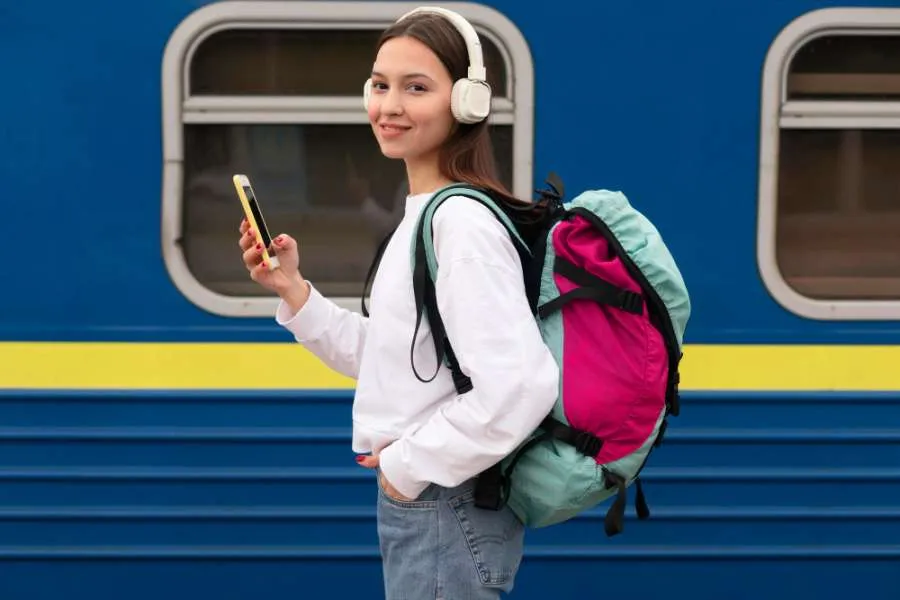
Travelling alone as a teenager can be one of the most exciting experiences of your life. Whether you're heading to a summer program, visiting family, or starting college, that first solo trip marks a significant step toward independence. However, with freedom comes responsibility, and there are essential things every teen should know before embarking on that adventure.
Understanding Your Rights and Responsibilities
Before you even pack your bags, it's crucial to understand that as a minor travelling alone, you have specific rights and protections. Airlines have unaccompanied minor programs for travellers under 18, though policies vary by carrier. Some airlines require these services for teens under 15, while others make them optional for older teenagers. Know what your airline requires and what services they provide.
Beyond airline policies, you should also be aware of your rights in public spaces. A Las Vegas MGM Grand injury lawyer from the firm Morris Injury Law makes a point of reminding young travellers that hotels and entertainment venues have legal obligations to maintain safe premises for all guests, regardless of age. If you're staying at a hotel or visiting attractions, these establishments must provide a reasonably safe environment, and you have the right to report any hazards or concerns to management.
Money Management on the Road
Learning to budget is one of the most valuable skills you'll develop through solo travel. Before leaving, create a realistic budget that includes accommodation, food, transportation, and emergency funds. Carry money in different forms, some cash for small purchases, a debit card for ATM access, and ideally a prepaid travel card with a set limit to prevent overspending.
Never keep all your money in one place. Split your cash between your wallet, bag, and a hidden pocket. This way, if something gets lost or stolen, you won't be completely stranded. Keep digital copies of important documents like your ID, insurance information, and emergency contacts stored securely in your email or cloud storage.
Staying Safe and Aware
Personal safety should be your top priority when travelling alone. Trust your instincts, if a situation or person makes you uncomfortable, remove yourself immediately. Stay in well-lit, populated areas, especially at night. When using rideshare apps, always verify the driver's identity and vehicle information before getting in, and share your trip details with a trusted family member or friend.
Accommodation safety matters too. Whether you're staying in a hostel, hotel, or vacation rental, always lock your door and use additional security features like door wedges or portable locks. Keep valuables out of sight, and don't advertise that you're travelling alone by leaving obvious signs that only one person is staying in the room.
Communication is Key
Establish a communication plan with your parents or guardians before you leave. Decide how often you'll check in and through what methods, text, phone calls, or video chats. Regular check-ins aren't just about easing parental worry; they create a safety net. If something goes wrong and you miss a scheduled check-in, someone will know to look for you.
Download useful apps before your trip, including maps that work offline, translation tools if you're going abroad, and apps specific to your destination. Make sure your phone is fully charged before leaving your accommodation each day, and consider carrying a portable charger.
Navigating Transportation
Understanding local transportation systems can be overwhelming at first, but it's a crucial skill. Research your options before arrival: public transit, taxis, rideshares, or walking routes. Many cities offer transit apps that provide real-time updates and trip planning features.
When using public transportation, keep your belongings close and stay alert. Avoid displaying expensive electronics or jewellery that might attract unwanted attention. If you're unsure about directions, ask transit employees or information desk staff rather than random strangers.

Health and Emergency Preparedness
Pack a basic first aid kit with essentials like bandages, pain relievers, any prescription medications, and remedies for common travel ailments. Know where the nearest urgent care or hospital is located from your accommodation. If you have allergies or medical conditions, carry documentation and wear a medical alert bracelet.
Program emergency numbers into your phone, including local emergency services, your country's embassy if travelling abroad, and your travel insurance provider. Keep a written list of these numbers as backup in case your phone dies or gets lost.
Building Confidence Through Experience
Solo travel as a teenager teaches invaluable life skills that extend far beyond the trip itself. You'll learn problem-solving, cultural awareness, self-reliance, and resilience. Every challenge you overcome, whether it's navigating a confusing subway system or ordering food in an unfamiliar language, builds confidence that will serve you throughout your life.
Start with shorter, simpler trips before attempting more complex adventures. Perhaps a weekend visit to a nearby city before that cross-country flight. Each successful journey prepares you for the next one.
Remember, being prepared doesn't mean being paranoid. It means being smart, aware, and ready to handle whatever comes your way. With proper planning and common sense, your solo travel experience will be rewarding, safe, and unforgettable.
Share: