
Microplastics have been found on every Canary Islands beach tested — even in protected areas
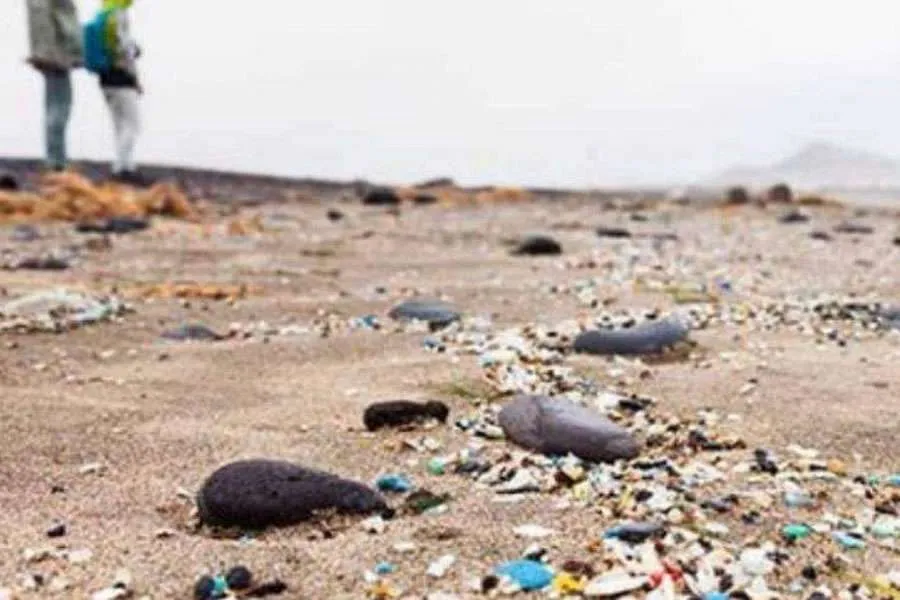
A new report has revealed that microplastics have been found on every beach analysed across the Canary Islands, including some remote, protected areas and beaches with very little footfall. And they are not arriving alone: many of these tiny plastic particles are carrying chemical residues from everyday products, such as ingredients found in sun creams.
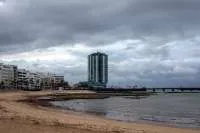
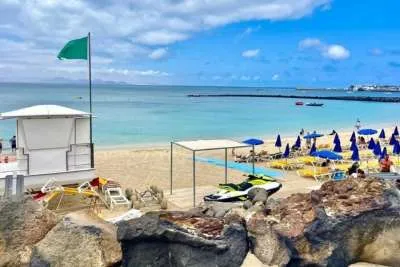
The findings come from a recent scientific study examining sand samples from 11 beaches in Gran Canaria, Fuerteventura, Lanzarote and La Graciosa between December 2023 and September 2024. The research, published in Environments in December 2025, identifies both the patterns of microplastic accumulation and the chemical contaminants attached to them.
High concentrations across the islands
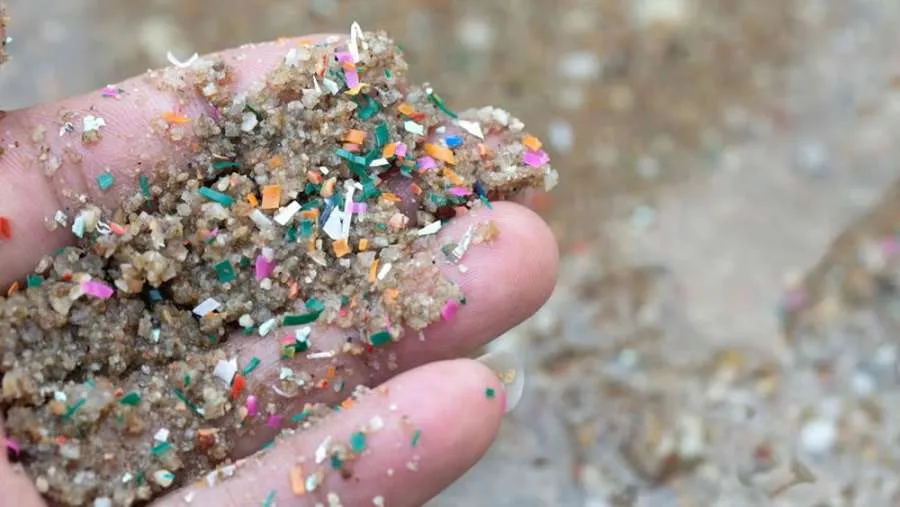
Microplastics, plastic fragments between one and five millimetres in size, were found on all beaches surveyed, often in large quantities. In some cases, concentrations exceeded 500 particles per square metre.
The highest levels appeared on north and north-east-facing beaches exposed to ocean currents and the trade winds, including Lambra (La Graciosa), Famara (Lanzarote), El Cícer (Gran Canaria) and Playa del Hombre (Fuerteventura).
Sun cream chemicals attached to plastic particles
Beyond the sheer volume of particles, the researchers also identified the substances stuck to them. Microplastics act as “chemical sponges”, allowing pollutants from everyday products, especially sun creams, to adhere to their surfaces as they move through the marine environment.
The most common compound detected was octocrylene, a widely used UV filter found in many sunscreens. It was present on microplastics in almost every beach studied, but appeared in particularly high concentrations on tourist-heavy beaches. The most striking case was Morro Jable in Fuerteventura, which showed the highest levels recorded.
Other sunscreen chemicals, including avobenzone, were also found, though in smaller quantities. Once attached to plastic, these substances can persist for long periods and travel significant distances with ocean currents.
A dual source of contamination
The study highlights a twofold pattern of pollution.
First, the Canary Islands sit within a regional hotspot for microplastic accumulation due to the Canary Current, which pushes debris towards certain coastlines, leading to up to ten times more particles on east-facing beaches — even in remote nature reserves.
Second, tourist pressure influences the type of chemical pollutants present, particularly sunscreen residues.
Because of this, the authors call for stronger policies on waste prevention, improved sanitation systems, better tourism management and ongoing scientific monitoring to protect vulnerable island ecosystems.
Share: