
What are you really breathing during a Calima in the Canary Islands?
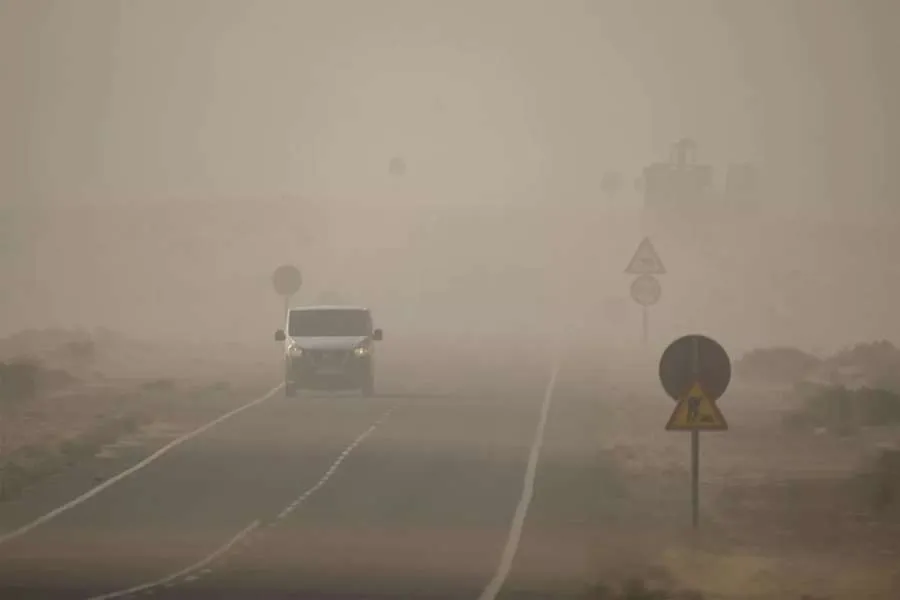
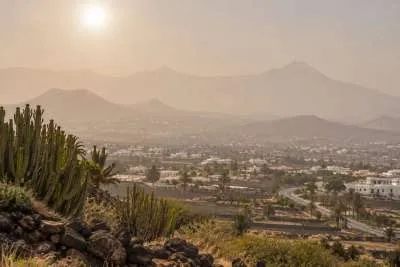
When the skies over the Canary Islands turn brown during a calima, it may look like simple desert dust, but experts say the reality is far more complex. According to scientific communicator Gemma del Caño, the particles carried in these dust events can significantly affect the air we breathe and may have real consequences for our health.
Writing in the weather platform Meteored, she explains that calima is not just harmless sand from the Sahara. Instead, it consists of microscopic airborne particles known as PM10 and PM2.5 — classifications that refer to their size in microns.
The smaller the particles, the deeper they can travel into the respiratory system. The finest can reach the bronchi, bronchioles and even the alveoli in the lungs.
Much more than just dust
These dust clouds can carry more than mineral particles. According to Del Caño, they may also transport metals such as iron, aluminium and manganese, as well as fungal spores and bacteria, some of which remain viable even after travelling thousands of kilometres.
During their journey, the particles can also absorb chemical pollutants, particularly when desert dust mixes with urban air pollution. The calima itself does not create these contaminants, but it can concentrate and redistribute them, worsening air quality.
So far this year the Canary Islands have already experienced a strong calima episode, prompting the regional government to issue a pre-alert, while Spain’s national weather agency (Aemet), issued yellow weather warnings.
Health effects during calima events
Medical professionals often see an increase in consultations during calima episodes, particularly for respiratory conditions such as asthma, bronchitis and Chronic Obstructive Pulmonary Disease (COPD).
Fine particles can irritate the airways and trigger bronchoconstriction, especially in people with asthma. In patients with COPD, experts warn that calima can lead to severe flare-ups by increasing lung inflammation and reducing breathing capacity.
Some of the smallest particles can even enter the bloodstream, potentially causing systemic inflammation. This may raise cardiovascular risks in vulnerable individuals.
Research cited in the article suggests that intense calima events have been linked to increased rates of heart attacks, worsening heart failure and a rise in hospital admissions for cardiovascular problems. However, experts stress that calima does not directly cause heart attacks but can act as a triggering factor in people with existing conditions.
Common symptoms people experience
During dusty conditions, many residents and visitors report symptoms including:
- Itchy or watery eyes
- Dryness and irritation
- Sore throat
- Dry cough
Although these symptoms can resemble allergies, Del Caño explains that the reaction is usually caused by irritation rather than pollen.
The dust itself is not pollen, but it can worsen existing respiratory allergies by adding further stress to already sensitive airways.
Skin effects are usually mild, though people with dermatitis or sensitive skin may notice worsening symptoms.
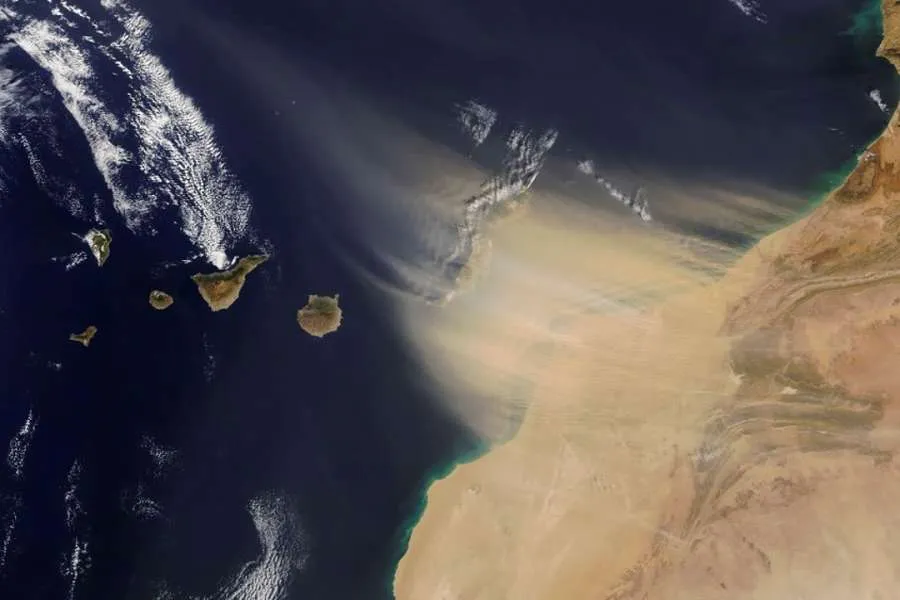
Are microbes in calima dangerous?
One common myth is that calima brings large numbers of dangerous pathogens.
While desert dust can transport fungi and bacteria, Del Caño says most of these microorganisms are environmental and pose little risk to the general population. The main concern is that they may contribute to inflammation and aggravate existing health conditions rather than cause widespread infection.
Sensible precautions
Experts advise checking air quality indexes during calima episodes and limiting outdoor exposure when dust levels are high.
While calima is not harmless, specialists emphasise that it should not be seen as a catastrophic event either, provided sensible precautions are taken.
Share: