
Measles are endemic in the Canary Islands after drop in vaccination levels
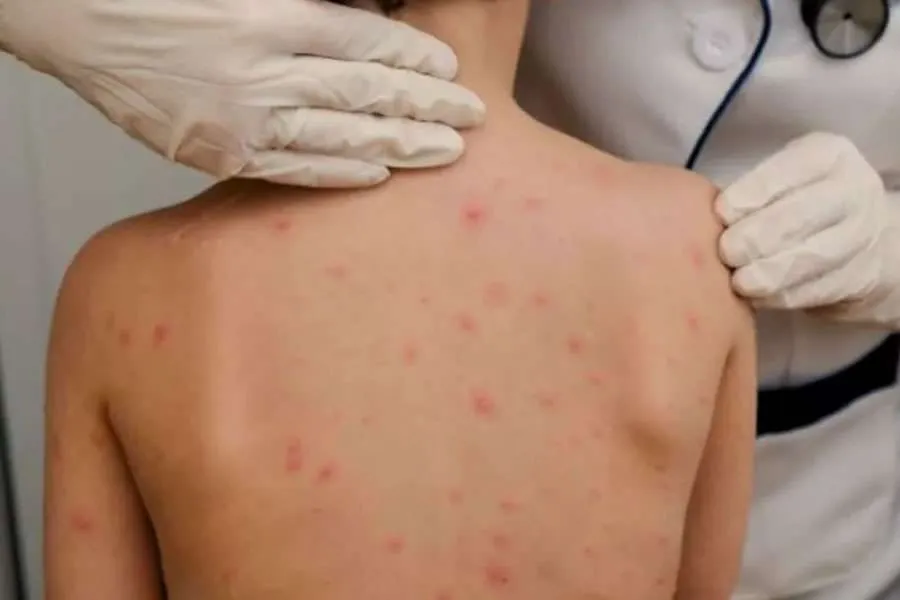
The transmission levels of measles in Spain have risen sharply, with the Canary Islands among the regions reporting the most cases in 2025. As a result, the World Health Organization has once again classified the disease as endemic in the country. But what is behind the resurgence after years of measles-free status?
According to Spain’s national and the Canarian vaccine advisory committees, the primary factor in the islands is the decline in vaccination rates, especially the second dose, leading to the loss of herd immunity.
Falling vaccination rates
Spain was certified as measles-free in 2016, meaning the virus was not circulating continuously, although imported cases still occurred. “As long as at least 95% of the population is properly vaccinated, imported cases do not trigger outbreaks,” Ortigosa explains. The concern arises when that coverage drops.
In the Canary Islands, first-dose coverage at 12 months remains strong at 95–97%. The second dose, however, has slipped to around or even below 90%, leaving a segment of the population without full protection.
Ongoing outbreak in the islands
The most recent outbreak in the Canary Islands, still active after four months, has affected unvaccinated infants under 12 months old, as well as partially vaccinated children. One fully vaccinated healthcare professional also tested positive but experienced only mild symptoms, reinforcing evidence that vaccines reduce both infection risk and disease severity.
Impact of anti-vaccine sentiment
Ortigosa links the decline in uptake to post-COVID vaccine mistrust and the growth of anti-vaccination movements, which have spread misinformation and encouraged some families to delay or avoid the second dose.
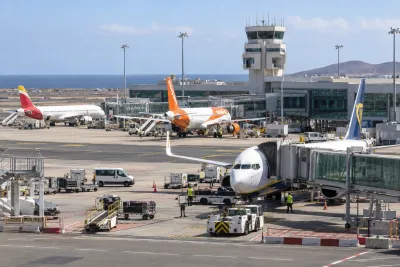
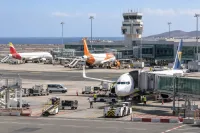
Despite perceptions of geographic isolation, the islands’ extensive air links increase exposure. “Outbreaks over the last 15 years have almost always been imported, usually by air travellers from other European countries or mainland Spain,” says Ortigosa. The current outbreak began with an infected child arriving from Málaga.
Historically, imported cases from countries such as Italy or the UK did not trigger spread because the local population was well protected, highlighting the importance of restoring high vaccination coverage.
Call to check vaccination records
Ortigosa stresses the need to strengthen vaccination campaigns and urges parents to check that their children have received both doses. He also advises adults, particularly those born after 1978, to review their own vaccination records. “If in doubt, they should visit their local health centre and get vaccinated.”
“Vaccines save lives”
With measles once close to eradication globally, Ortigosa warns against the resurgence of misinformation online. Measles, he reminds the public, is not a mild childhood illness: it can cause severe complications such as pneumonia, neurological infections, and can be fatal.
“Vaccines are safe and save lives. Vaccination is not an expense, it’s an investment in health,” he concludes, urging the public to act quickly to help Spain regain its measles-free status.
Share: