
How mobile technology is transforming the tourist experience in the Canaries
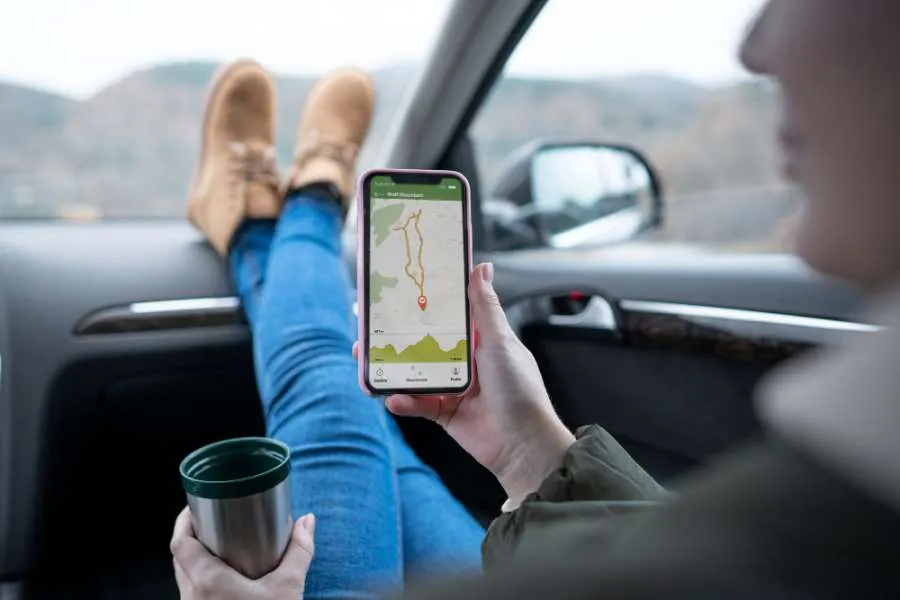
Gone are the days when a holiday to the Canary Islands meant packing a bulky guidebook, folding out an oversized paper map that flapped uncontrollably in the trade winds, and carrying a phrasebook to decipher a menu. In 2026, the travel experience has been fundamentally rewritten by the device in our pockets.
For the millions of UK tourists who flock to Tenerife, Lanzarote, Gran Canaria, and Fuerteventura annually, the smartphone has evolved from a simple communication device into an indispensable digital concierge.
Streamlining Travel Logistics and Island Navigation
The most immediate impact of mobile technology is visible in how tourists move around the islands. The uncertainty of public transport has been replaced by the precision of real-time tracking apps. In Tenerife, the Titsa bus network app has become a vital tool, allowing visitors to see exactly when the next bus to Los Cristianos or Puerto de la Cruz will arrive, down to the minute. Similarly, on Gran Canaria, the Guaguas Global app empowers tourists to navigate the island’s extensive bus network without the fear of being stranded in a remote village.
Beyond public transport, navigation apps like Google Maps have emboldened tourists to rent cars and explore off the beaten path. In the past, the winding mountain roads of Masca or the remote routes to Cofete beach in Fuerteventura might have intimidated drivers relying on static maps. Today, real-time traffic updates and turn-by-turn voice guidance give visitors the confidence to discover hidden "guachinches" (local eateries) and secluded coves that were once the preserve of locals. This decentralisation of tourism helps spread economic benefits beyond the major resort hubs.
Pre-trip planning has also migrated entirely to mobile platforms. Travellers are no longer walking into travel agencies to book excursions; they are using aggregated travel apps to secure their spots on whale-watching boats or cable cars weeks in advance. Platforms like Airbnb and Google Travel allow for a personalised itinerary that is stored in the cloud and accessible instantly. This seamless integration of logistics means less time stressing over schedules and more time enjoying the eternal spring climate the islands are famous for.
Mobile Entertainment Choices for Leisure Time
While the Canary Islands are famous for outdoor adventure, the reality of any holiday includes significant periods of downtime. Whether it is lounging by the hotel pool during the midday heat, waiting for a ferry between islands, or relaxing on a balcony after dinner, tourists are increasingly turning to their phones for entertainment. The device serves as a portable media centre, allowing visitors to stream their favourite UK television series, read e-books, or listen to podcasts without skipping a beat.
This demand for digital leisure extends to all forms of online gaming and interactive entertainment. It is common to see holidaymakers passing the time during a siesta by engaging with various online platforms. Some might be competing in multiplayer mobile games, while others might be researching the best gambling sites to enjoy a bit of recreational flutter from the comfort of their sun lounger. The ability to access familiar entertainment options from home helps travellers relax and unwind, bridging the gap between their domestic comforts and their exotic surroundings.
Social media also plays a massive role in leisure time, acting as both a diary and a broadcasting tool. The ‘Instagrammability’ of locations like the Dunes of Maspalomas or the lunar landscapes of Lanzarote drives tourist behaviour. Visitors spend leisure time editing photos and reels to share with friends back in the UK, effectively becoming real-time marketeers for the destination. This cycle of capturing and sharing content has become a leisure activity in itself, occupying a significant portion of the modern tourist's day.
Accessing Local Culture and Language Tools Instantly
One of the most significant barriers to authentic travel experiences, language, has been effectively dismantled by mobile software. While English is widely spoken in the main tourist areas of Playa de las Américas or Puerto del Carmen, venturing into the authentic heart of the islands often requires some Spanish.
Real-time translation apps like Google Translate and iTranslate have changed the game, allowing visitors to point their cameras at a Spanish-only menu in a rural village and see it instantly translated into English. This encourages culinary exploration beyond the standard "tourist menu" and fosters a deeper appreciation for Canarian gastronomy.
Furthermore, augmented reality (AR) is beginning to layer digital history over physical locations. In historical centres like San Cristóbal de La Laguna, a UNESCO World Heritage site, visitors can use specific apps to point their phones at centuries-old facades and receive interactive historical context. These digital guides provide a depth of information that rivals a human tour guide, allowing tourists to engage with the rich cultural tapestry of the islands at their own pace. It transforms a passive walk through a town into an immersive educational experience.
The financial side of culture has also gone digital, making interactions smoother and safer. The days of carrying wads of Euros are fading as mobile payments via Apple Pay and Google Pay become the standard, even in small market stalls. Whether buying artisan cheese at a Sunday market in Teror or paying for a round of drinks at a beach bar, the transaction is instant and contactless. This shift not only improves security for tourists but also streamlines operations for local vendors who can process sales faster during peak seasons.
The Growing Importance of Digital Infrastructure
Underpinning this entire digital ecosystem is the critical need for robust connectivity. For the modern UK traveller, a dead zone is more than an inconvenience; it is a disruption to the entire flow of their trip. The islands have had to invest heavily in 4G and 5G infrastructure to support this load. Gran Canaria now has a 5G coverage of more than 95%, not far behind the UK’s 97%.
Since Brexit, the issue of roaming charges has become a complex topic for British tourists. While many major operators have reintroduced fees, the Canary Islands' status within the EU means that specific caps and fair usage policies apply. To avoid unexpected costs, savvy travellers are increasingly turning to digital solutions before they fly. One example is eSIMs, which allow them to access local data networks at local prices without swapping out physical cards.
The Canary Islands are no longer just a physical place of sun and sand; they are a digitally augmented destination where the quality of the Wi-Fi is often as scrutinised as the quality of the tapas. For the tourism sector, the message is clear: to attract the modern traveller, you must cater to their phone as much as you cater to their palate.
Share: