
Underwater expedition in Lanzarote aims to uncover early history of the Canary Islands
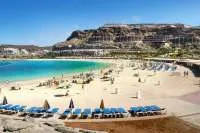
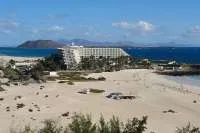
Much of the Canary Islands’ history is not only found on land but also hidden under the sea. New research in Lanzarote is now highlighting just how much of the past remains underwater. A specialist team has begun a fresh round of surveys along the coast between Punta de Papagayo and Playa de las Mujeres, in the area of Yaiza.
This work is part of the Rubicón Project, which is searching for remains linked to a 15th-century Franco-Norman expedition — one of the earliest moments of European arrival in the Canary Islands.
For the first time, researchers are expanding their study from the shore into the seabed, exploring areas that have never been examined in detail.
Searching the seabed
In early January, the team carried out several test dives at locations first highlighted in a 2021 geophysical study. That earlier work detected 36 unusual features on the seabed, but none could be confirmed as archaeological remains.
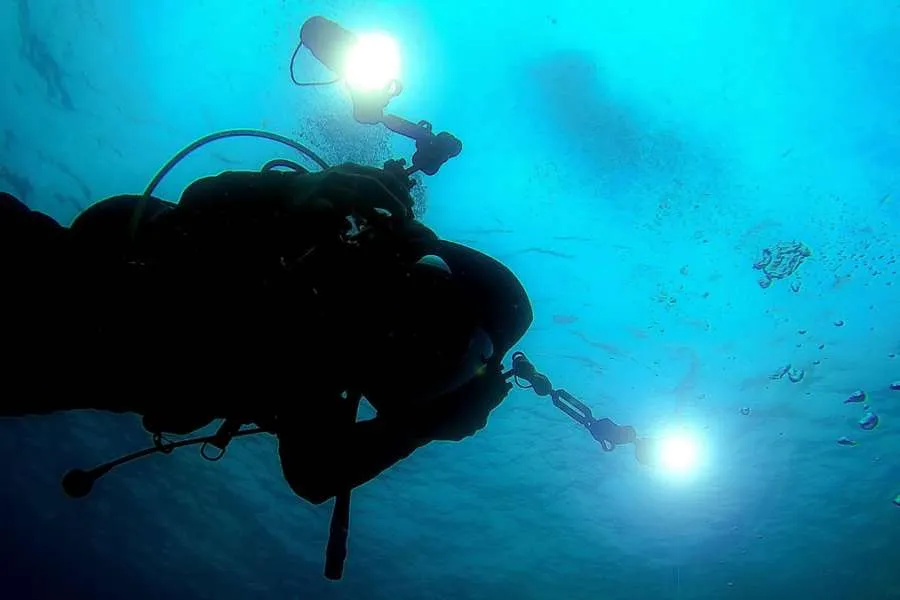
The new campaign focuses on 46.5 hectares of shallow sea, especially off Playa del Pozo. To search the area, the team is using a simple but effective method: divers are towed slowly behind a boat, allowing them to scan the seabed visually. During each dive, they record photos, GPS positions and depth measurements to build a detailed map of anything they find.
Experienced team, careful approach
According to Cadena SER Lanzarote, the team includes experienced underwater archaeologists Sebastià Munar, Stella Rendina and Ximo Gual de Torrella, assisted by a support boat piloted by Íñigo Labarga. The scientific leads are María del Cristo González from ULPGC and Esther Chávez from ULL, with expert advice from underwater specialist Sergio Olmo.
For now, the team is not removing any objects or disturbing the seabed. Their aim is to preserve the site exactly as it is, so that future research can be carried out safely and accurately. The project is supported by the Canary Islands Government, Yaiza Council and the region’s public universities.
This new underwater campaign strengthens the Rubicón Project as a key effort to better understand the early history of the Canary Islands, shining light on a past that still lies hidden beneath the waves.
Share: