
The World in Pictures: Finally, a Tool That Reads Them Like You Do
Think about how much of your world comes to you as an image. A screenshot of a tweet in another language, a photo of a menu on holiday, a scan of a handwritten letter, a page from a manga that hasn't been translated yet. The information is right there, visible, but for millions of us, it might as well be invisible, because the words in the picture aren't our words.
For a long time, the only solution was frustrating. You could try to manually type the text from the image into a translator, losing time and your place. Or you could use a basic tool that spat out garbled text with no sense of where it belonged in the original image. The meaning got lost, and the context was destroyed.
But the way we interact with images has finally caught up with the need. A new kind of tool acts less like a machine and more like a helpful friend, one that can look at a picture and tell you exactly what it says, in your language, without messing up the original layout.
The Image That Holds the Key
Consider the different ways an image with foreign text finds its way to you.
For the traveller or foodie, it's the menu. You're in a small, family-run restaurant in a neighbourhood far from the tourist traps. The food smells incredible, but the menu is a wall of text you can't read. A quick photo with your phone and a reliable convert image to text tool can turn that mystery into a meal you'll remember forever. It reads the sign on the museum door, the instructions on the train ticket machine, the label on a local product.
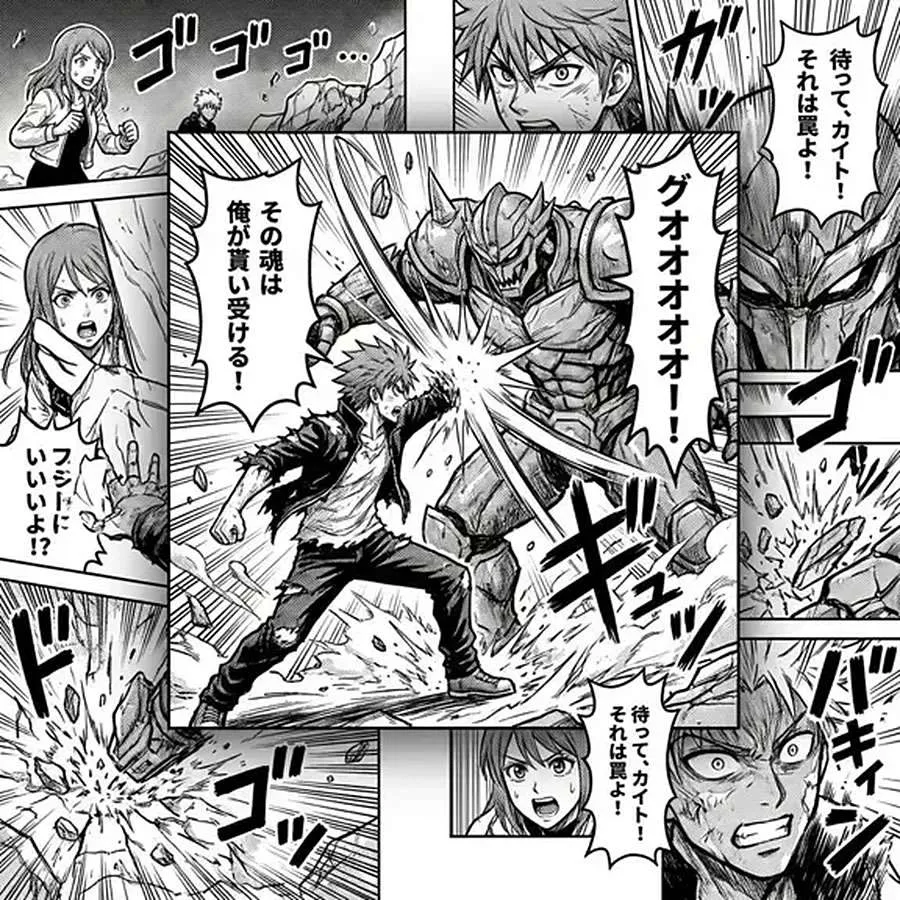
For the fan of global stories, it's the art. You're following a manga series, but the English translation is months behind. You have the raw Japanese pages, but you can't read the dialogue. A specialised manga translator does more than just swap words. It recognises the speech bubbles, translates the text inside them, and then this is the magic uses in-painting to seamlessly replace the original Japanese with your language, preserving the artist's original work. You're not just reading a translation; you're experiencing the art as it was meant to be seen.
For the online seller or business owner, it's the listing. You source amazing products from overseas, but the product images come with text in another language. You need to localise them for your Spanish-speaking customers on Amazon or your own site. A product image translator can take that photo, translate the size chart or the key feature callout, and give you back an image ready to help make the sale.
More Than Just Words: The Layout Matters
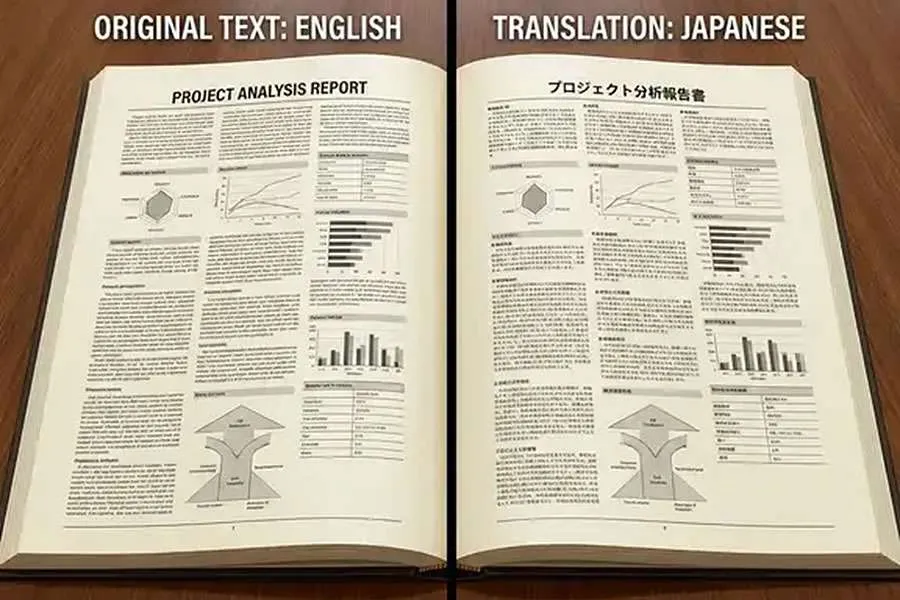
The common thread through all these examples is respect for the original. Anyone can pull raw text from an image using OCR (Optical Character Recognition). That's the easy part. The hard part, the part that makes a tool truly useful, is understanding that the text exists within a design.
If you translate the words, but the new text is too long for the speech bubble, you've ruined the page. If you translate a product label but the text floats off to nowhere, you've created confusion. The best tools act as a picture translator that understands context. It uses advanced AI to not only read the text but also to analyse the image, understand where the text belongs, and fit the new language perfectly back into that space. The result is a translated image that looks like it was originally created in your language.
The Freedom of "Free and Easy"
What makes a tool like this truly powerful, though, is not just the technology it's the accessibility. The fact that it's a free AI image translator with no sign-up, no credit card, and no hidden limits changes everything. It means a student can translate a diagram from a foreign textbook without asking for permission. A traveller can snap a photo of a menu without worrying about data costs or subscriptions. A fan can keep up with their favourite manga without paying per chapter.
It turns a specialised need into an everyday utility. You use it because it's there, because it's easy, and because it works. You stop thinking about the tool and just focus on the information you wanted in the first place.
Seeing the World Clearly
We live in an incredibly visual world, and it's also an incredibly multilingual one. Those two realities often clash, leaving us locked out of the information and stories contained in the images around us. But that barrier is coming down.
When you can point your phone at a sign and instantly understand it, when you can read a comic from halfway across the world as if it were printed for you, when you can localise your business imagery in minutes, you're not just using a tool. You're participating in a more connected world. You're letting the images speak your language.
Share: