
The Historic Architectural Design of Intramuros: A journey through Manila’s walled city
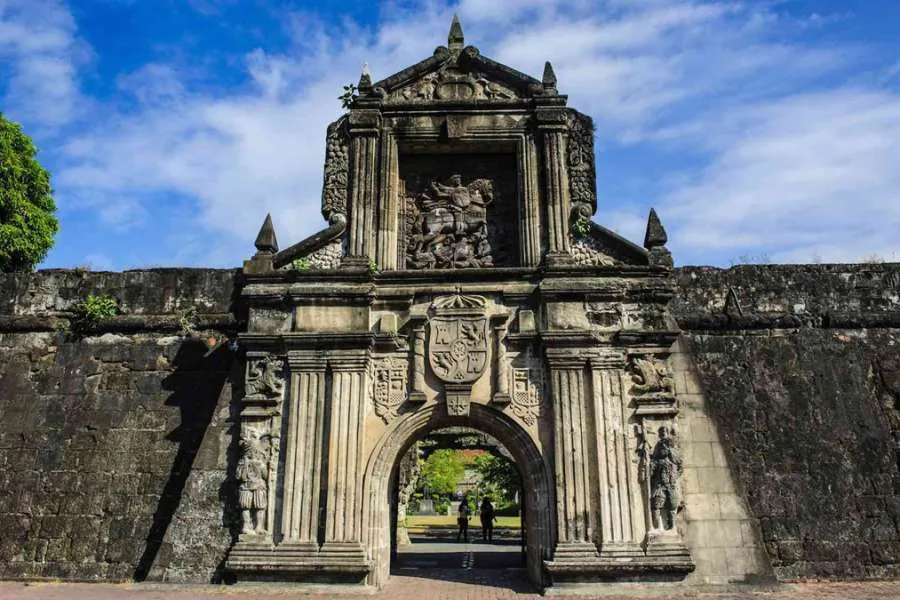
Intramuros, known as Manila’s “Walled City,” is one of the Philippines’ most important historical districts. Located beside the Pasig River, the area preserves centuries of architectural, religious, military, and cultural history. Its stone walls, colonial churches, plazas, gates, and historic buildings provide a glimpse into Manila during the Spanish colonial period.
Unlike modern districts dominated by skyscrapers and commercial buildings, Intramuros offers a distinctive urban landscape shaped by defensive needs and European colonial planning. Walking through its streets reveals how architecture was used not only to create beautiful spaces but also to protect, organise, and represent power.
The Origins of Intramuros Architecture
The development of Intramuros as a fortified settlement began during the Spanish colonial period. After the Spanish established Manila as a major colonial centre in the late 16th century, defensive walls were constructed around the settlement.
The name Intramuros literally means “within the walls,” reflecting its defining architectural feature.
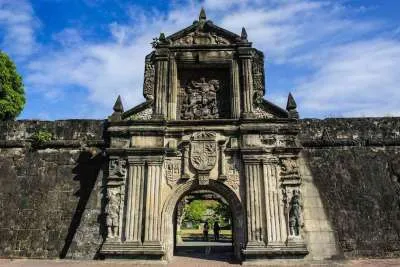
The walls were designed to protect Manila from military attacks and included strategically positioned gates, bastions, and defensive structures. Thick stone construction became an important characteristic of the district because the city needed stronger protection than ordinary residential settlements.
Local materials and construction techniques were also incorporated into Spanish architectural concepts. The resulting structures reflected an adaptation of European ideas to the Philippines' tropical environment and available resources.
Fort Santiago and Military Architecture
One of Intramuros' most recognisable landmarks is Fort Santiago. Built as a defensive fortress near the mouth of the Pasig River, it played an important role in Manila's military history.
Its architecture reflects the strategic priorities of a fortified city. Thick walls, defensive gateways, open spaces, and elevated positions were designed to control movement and protect the settlement.
Fort Santiago later became associated with important historical events, including the imprisonment of Filipino national hero José Rizal before his execution in 1896.
Today, its surviving structures provide visitors with a tangible connection to Manila's colonial and wartime history.
San Agustin Church and Religious Architecture
Religion was another major influence on Intramuros' architectural design. San Agustin Church is particularly significant because it is one of the oldest stone churches in the Philippines and the oldest surviving church in the country.
Its massive stone construction reflects the durability required in an area exposed to earthquakes, typhoons, and other natural hazards. The church combines European religious architecture with adaptations suited to local conditions.
Inside, visitors can find intricate details, religious artwork, and architectural elements that demonstrate the importance of Catholicism during the Spanish colonial period.
San Agustin Church and other religious structures helped shape Intramuros into more than a military settlement. Churches, convents, schools, and public spaces became essential components of the city's urban organisation.
Streets, Plazas, and Urban Planning
Intramuros' architecture is not limited to individual landmarks. Its streets and open spaces are equally important.
The district was organised around plazas, churches, government buildings, and residential structures. This arrangement reflected Spanish colonial urban planning, where important civic and religious buildings were positioned around central public spaces.
Plazas provided areas for gatherings, ceremonies, and social interaction. Meanwhile, narrow streets connected different parts of the walled settlement.
This architectural organisation created a strong sense of place. Even today, the relationship between streets, walls, plazas, and historic buildings makes Intramuros feel distinct from the surrounding modern city.
Bahay na Bato and Colonial Homes
Another important feature of Intramuros architecture was the bahay na bato, or “stone house.”
These houses combined stone or masonry lower levels with wooden upper floors. The design provided structural strength while allowing ventilation and adaptation to the tropical climate.
Large windows, capiz-shell panels, balconies, and spacious interiors helped improve airflow. These features demonstrate how colonial architecture gradually incorporated local environmental knowledge.
The bahay na bato became an important symbol of Philippine architectural history and influenced residential design beyond Intramuros.
War and Architectural Destruction
Intramuros experienced severe destruction during the Battle of Manila in 1945. Many historic structures were damaged or completely destroyed during the fighting.
The destruction dramatically changed the physical appearance of the district. However, restoration and conservation efforts have helped preserve surviving structures and reconstruct important elements of its historic character.
Modern Intramuros therefore represents both original architecture and carefully restored heritage buildings.
This combination makes the district particularly valuable for understanding how historical preservation works in an urban environment.
Intramuros as a Living Heritage District
Today, Intramuros remains an important cultural and tourism destination. Its architecture attracts students, historians, photographers, tourists, and residents interested in Philippine history.
Visitors can explore Fort Santiago, San Agustin Church, historic walls, plazas, gates, museums, and restored buildings within a relatively compact area.
The district's appeal comes partly from its ability to connect history with everyday experiences. People can walk through centuries-old streets while seeing modern businesses and activities operating alongside heritage structures.
The contrast makes Intramuros a unique part of Manila's cultural landscape.
Why Intramuros Architecture Still Matters
The historic architectural design of Intramuros demonstrates how buildings can preserve stories about a society's politics, religion, technology, and daily life.
Its walls reveal the military concerns of colonial Manila. Its churches demonstrate the influence of religion. Its plazas reflect urban planning traditions, while its houses show how European and Filipino architectural ideas interacted.
Even modern forms of leisure can exist alongside this historical environment. Digital activities such as Pusoy online on GameZone represent a very different form of entertainment from the traditional social activities that once took place in Manila's plazas and streets.
Yet both reflect an enduring human interest in gathering, competition, and shared experiences.
Intramuros remains valuable because its architecture allows visitors to see history rather than simply read about it. The combination of defensive walls, religious landmarks, residential structures, and public spaces tells the story of a changing Manila.
As conservation continues, preserving these structures becomes essential for future generations. Pusoy online on GameZone may represent today's digital leisure culture, but Intramuros represents a much older layer of Filipino history where architecture itself serves as a record of the past.
Ultimately, the historic architecture of Intramuros is more than a collection of old buildings. It is a physical record of Manila's development and a reminder of how different cultures, technologies, and historical events shaped the Philippines.
For anyone exploring Philippine heritage, Intramuros offers an opportunity to experience that history firsthand—and understand why the Walled City remains one of Manila's most important architectural treasures. Its enduring character, meanwhile, continues to connect the past with the present, much like Pusoy online on GameZone connects a traditional Filipino card game with today's digital entertainment landscape.
Share: