

40,000 Canary Islands tenants face rent hikes of up to 30% after five-year freeze
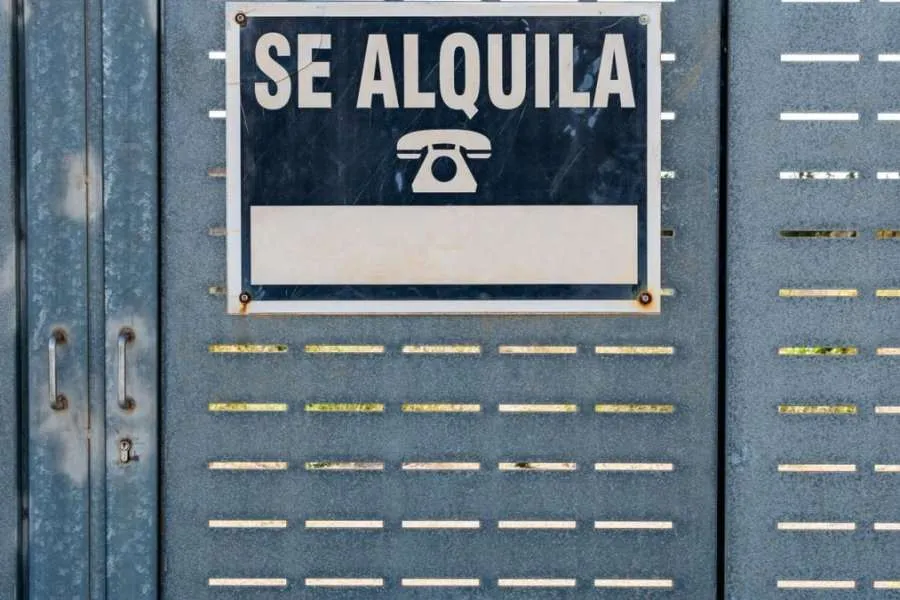
Tens of thousands of renters across the Canary Islands are bracing for sharp increases in their monthly rent as contracts signed during the pandemic come to an end. Around 630,000 tenants across Spain, including 40,000 in the islands, are due to renew their agreements between late 2025 and early 2026 after completing the minimum five-year term established under Spain’s Urban Leasing Law.
However, the rental market today bears little resemblance to that of 2020, when emergency measures were introduced to protect tenants during the height of the Covid-19 crisis. Rent updates were restricted and evictions were halted, preventing drastic price rises at a time of widespread financial instability.
Since then, rental costs in the Canary Islands have gone up by approximately 30%. According to Rafael Tarajano, president of Acegi, the Canary Islands Association of Real Estate Management Companies, a typical two-bedroom rental that cost €700–€800 in 2020 can now range between €1,200 and €1,500 in main residential areas, however, prices may be lower in some districts and significantly higher in others.
Although rents have been adjusted annually during the contract period, most increases have stayed in line with inflation, leaving landlords now facing a significant gap between pandemic-era agreements and current market values.
Despite this, Tarajano remains confident that what he calls “common sense” will prevail. He notes that landlords effectively have three choices: extend contracts at the same price; negotiate a rise with tenants; or refuse renewal and look for a new tenant willing to pay the higher market rate. He believes the majority will opt for negotiation, especially when they have reliable tenants who pay on time and maintain the property.
The situation is especially concerning for tenants, as securing an alternative rental can be incredibly difficult due to a severe shortage of available housing.
Data from the Ministry of Social Rights, Consumer Affairs and Agenda 2030 indicates that Canary Islands tenants are among those facing the highest increases in Spain. Annual rent payments are expected to rise on average by almost €2,300, placing the region behind only the Balearic Islands and Valencia, while Madrid follows close behind.
Some observers suggest that the timing of the data release by the Ministry, headed by Sumar’s Pablo Bustinduy, is politically motivated, aimed at pressuring Prime Minister Pedro Sánchez to introduce stronger rent controls. Tarajano shares this view, arguing that these figures are being used to generate public alarm and force intervention.
He stresses that real, long-term solutions must come from increasing supply rather than imposing restrictions. “Only by building more homes can we meet demand and offer families somewhere to live,” he says. Blaming landlords, he argues, distracts from the core issue: a profound lack of housing options in the Canary Islands.
As the renewal process begins, thousands of families fear being priced out of their homes, underscoring the worsening housing crisis across the archipelago and the urgent need for effective government action.
Share: