
The signs from Teide are 'shouting' that Tenerife is volcanologically active
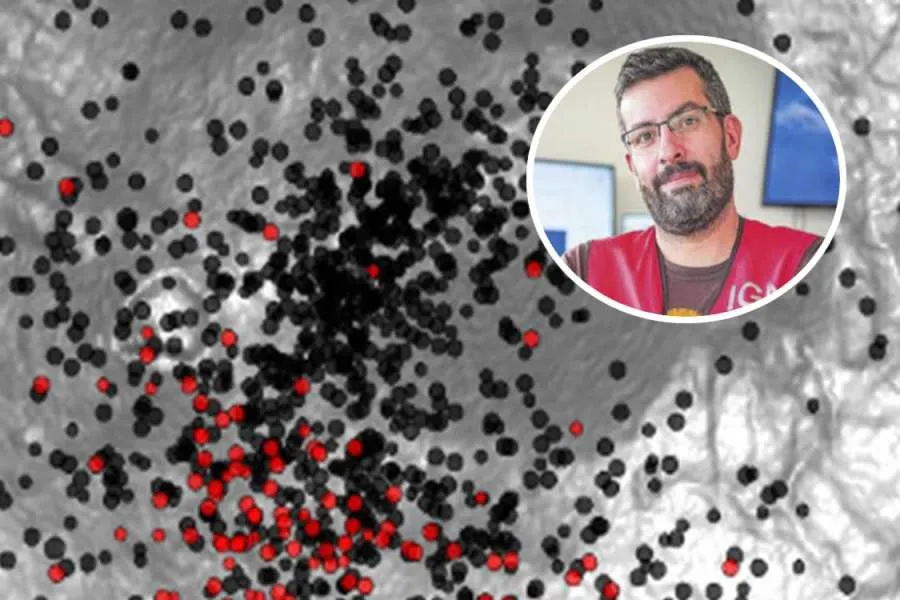
The head of the National Geographic Institute (IGN) in the Canary Islands, Itahiza Domínguez, has said in an interview with EFE that a series of unusual geological signals over the past decade show Tenerife is very much a volcanically active island.
The most recent sign is a 90-minute low-intensity seismic tremor, something never recorded before in Tenerife. It adds to a growing list of activity: repeated small earthquake swarms since 2016, increased gas emissions at Teide, and around two centimetres of ground uplift in the last three years.
Could this activity lead to an eruption?
Domínguez says it is not possible to say if this will end in an eruption. Statistically, the likelihood is low in the short and medium term, but the longer a volcanic system stays quiet, the more likely it becomes that something will eventually happen.
He explains that every volcano behaves differently. Some places experience similar low-level signals for years with no eruption at all.
Tenerife’s crust is thin, and magma takes many years, sometimes decades, to build up underground. Sometimes these magma pockets cool and do nothing. Other times, as seen in La Palma and El Hierro, they eventually lead to an eruption.
“Things could change quickly”
Although nothing suggests an eruption is close, Domínguez says the signals seen over the last decade are a clear reminder that Tenerife’s volcanoes are still active.
In past eruptions on Tenerife, people felt small earthquakes in the days or weeks beforehand. In the 2021 La Palma eruption, the ground rose 30 centimetres just a week before the volcano opened.
Only when scientists detect clear warning signs would Tenerife’s volcanic alert level change from green to yellow. That decision is made by the Canary Islands Government based on expert advice.
Domínguez says there would be time to warn the public, but predicting an exact place or time is extremely difficult. Magma can move unexpectedly, as it did in La Palma, where it shifted several kilometres in a short period.
Where might a future eruption happen?
Tenerife has two main volcanic systems:
- Teide’s system, where magma is thicker and slower to rise, meaning a lower chance of eruption.
- Basaltic rift zones, where magma rises more directly from deep underground, and where most of Tenerife’s historic eruptions have occurred.
These eruptions usually happen along the northeast or northwest ridges, but the southern volcanic field, stretching from Vilaflor towards the coast, also has the potential for activity.
Scientifically, Tenerife has an estimated eruption recurrence of 100–200 years. The last one was Chinyero in 1909, though Domínguez stresses that these figures are only rough guides. Geological statistics are never exact, he says.
Staying informed without panic
Domínguez admits scientists must walk a fine line: sharing what they know without causing unnecessary alarm.
They cannot simply say “nothing is happening”, but they also understand why people feel nervous. He encourages residents and tourists to follow official information rather than online rumours.
He jokes that for ten years, people have been claiming Tenerife will erupt “tomorrow”, and even friends and family are constantly asking him for updates. “I wish it were that easy,” he says.
Share: