
Six earthquakes recorded in the Canaries including the strongest of the year
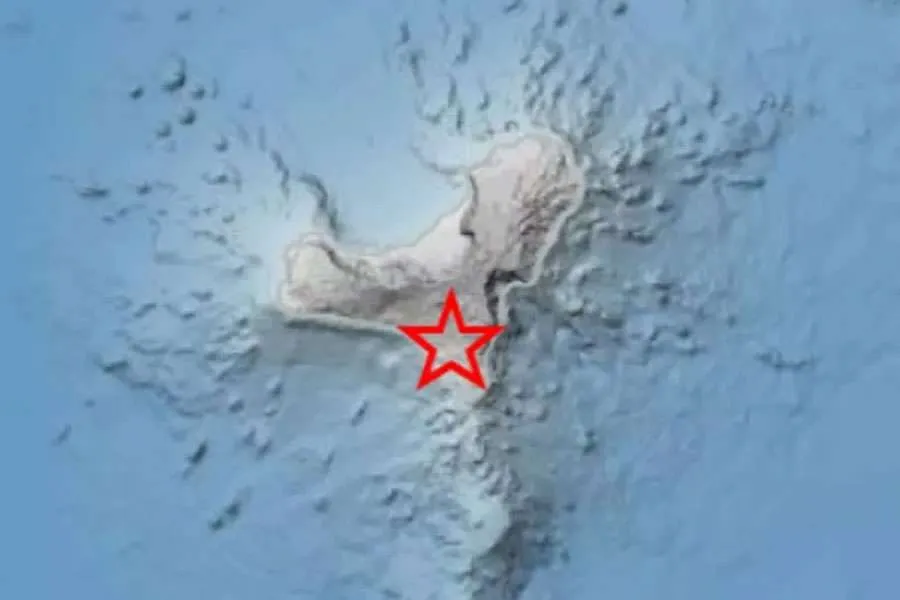
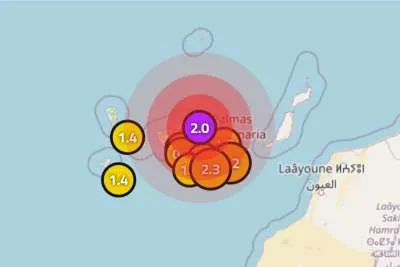
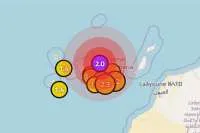
The National Geographical Institute (IGN) recorded six earthquakes on the island of El Hierro during the early hours of Monday morning, one of which reached magnitude 3.8 on the Richter scale, the strongest earthquake recorded in the Canary Islands so far this year.
The tremors were located southwest and west of the municipality of El Pinar between 12:15am and 6:32am, with magnitudes ranging from 1.2 to the peak of 3.8, which occurred at 1:56am at a depth of 36 kilometres.
According to IGN, the seismic activity does not appear to constitute a swarm; instead, it is being interpreted as a main earthquake followed by several aftershocks.
The Canary Islands Emergency and Rescue Coordination Centre (CECOES) reported no calls from residents of El Hierro relating to the tremors, indicating that the events were not widely felt on the island.
The relevance of the depth of earthquakes and tremors
1. Most Canary Islands earthquakes are shallow to intermediate
The Canaries are a volcanic archipelago, and most seismic events occur within the crust, typically between 5 km and 30 km deep. This means that although magnitudes tend to be low, the shaking can still be noticeable.
2. El Hierro is the most seismically active island
El Hierro’s volcanic system produces frequent seismic activity. During the 2011–2012 submarine eruption, hundreds of very shallow quakes were recorded as magma moved upward. Shallow volcanic quakes here can feel stronger, even at low magnitudes.
3. Deeper quakes (20–40 km) signal movement within the mantle or deeper magma pathways
When the IGN reports quakes at depths such as 30–40 km, like the magnitude 3.8 recorded yesterday, these originate deeper in the Earth.
These are usually less strongly felt, because the energy must travel further, but they can indicate pressurisation or movement in the deeper volcanic plumbing system.
4. Why Monday’s quakes (up to 36 km deep) did not cause calls to emergency services
Because they were:
- Deep, which softens surface shaking;
- Low-to-moderate magnitude (only one above 3.5);
- Far from populated areas (southwest of El Pinar).
The combination made them detectable on instruments but barely perceptible to people.
5. Are deeper quakes more “dangerous”?
Not directly in terms of shaking or damage.
However, in volcanic settings such as El Hierro, deep seismicity can sometimes indicate the movement of magma, which scientists monitor for early signs of unrest.
6. Good news: No swarm, according to IGN
A seismic swarm (hundreds of quakes) can signal magma moving upward.
IGN states today’s sequence looks more like a main quake plus small aftershocks, which is far more benign.
Share: