
Tax warning for owners renting out properties in the Canary Islands
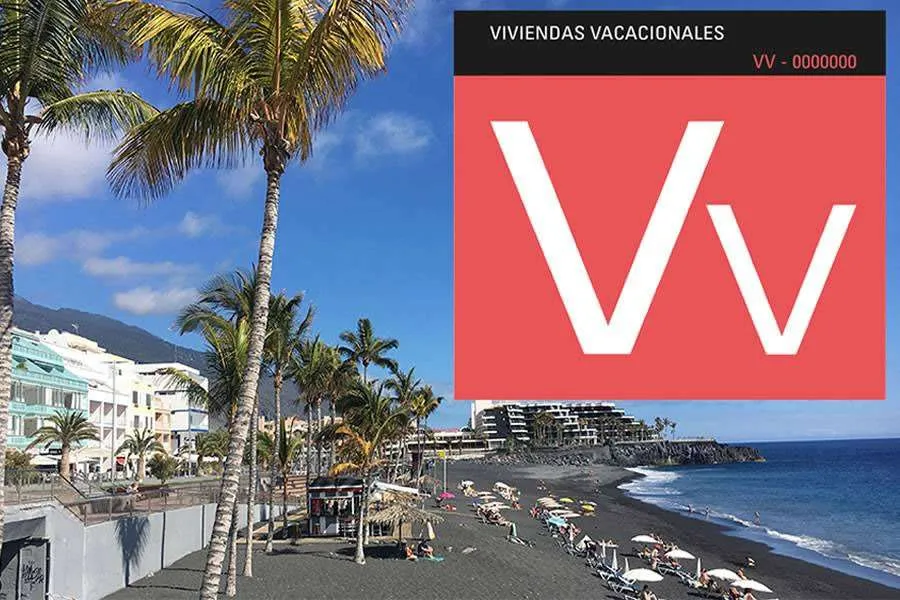
Property owners who rent out apartments or do holiday lets in the Canary Islands and file tax returns as non-residents, are being warned to prepare for significantly stricter reporting requirements after the Spanish Tax Agency introduced major changes to the Modelo 210 tax declaration.
The reforms, published in Official State Gazette (BOE), are designed to strengthen oversight of rental income and deductible expenses claimed by non-resident property owners.
The move is expected to have a particular impact in the Canary Islands, where thousands of properties are owned by foreign nationals and used either as holiday homes or rental investments.
What Is a Modelo 210?
Modelo 210 is the tax form used by non-residents to declare income earned in Spain, including income generated through holiday lets and long-term rentals.
Until now, landlords were generally able to declare deductible expenses in broad categories. Under the new rules, however, much more detailed information will be required.
A new mandatory annex has been introduced, requiring owners to provide a precise breakdown of deductible costs linked to their rental properties. Expenses such as maintenance, renovations, community fees, utilities and other operating costs can no longer be grouped together under a single figure.
Instead, each cost must be itemised and supported with detailed documentation.
Greater Scrutiny from the Tax Authorities
The reform forms part of a wider strategy by Spain’s Tax Agency (AEAT) to automate data cross-checking and identify inaccuracies more quickly.
Officials say the objective is to reduce errors and detect improper or exaggerated deductions. The new system is designed to ensure that every euro deducted from rental income can be matched directly to supporting invoices and records.
The changes are particularly important for property owners from European Union and European Economic Area countries, who currently benefit from the 19% non-resident tax rate and are allowed to deduct certain property-related expenses.
Under the updated system, any missing information, incorrect tax identification numbers (NIEs), or discrepancies between invoices and declared expenses could result in returns being automatically rejected or flagged for further investigation.
Impact on Holiday Lets in the Canaries
Given the large number of foreign-owned holiday rental properties across Tenerife, Gran Canaria, Lanzarote and Fuerteventura, tax advisers are warning owners to review their record-keeping practices immediately.
Industry professionals believe the changes will increase the administrative burden on landlords, estate managers and tax consultants handling portfolios of overseas clients.
While the reform does not introduce any new taxes, it does make compliance significantly more demanding. Experts say non-resident owners will need to maintain accurate monthly records and ensure that all invoices contain the correct tax identification details and clearly itemised charges.
Changes Beyond Property Income
The new ministerial order also strengthens controls over tax refunds linked to dividend income and other financial investments held by non-residents.
According to the government, the changes are intended to align Spain’s tax reporting systems with international transparency standards and improve oversight of capital flows leaving the country.
What Property Owners Should Do Now
Tax advisers are recommending that non-resident property owners begin organising and storing supporting documentation on an ongoing basis rather than waiting until annual filing deadlines.
For many foreign investors in the Canary Islands, the key message is clear: claiming expenses against rental income will still be possible, but every deduction will now require far more detailed evidence than before.
As Spain continues its shift towards automated tax monitoring, accurate bookkeeping and complete documentation are set to become essential for anyone earning rental income from property in the Canary Islands.
Share: