
New yellow fever mosquitoes detected in Tenerife
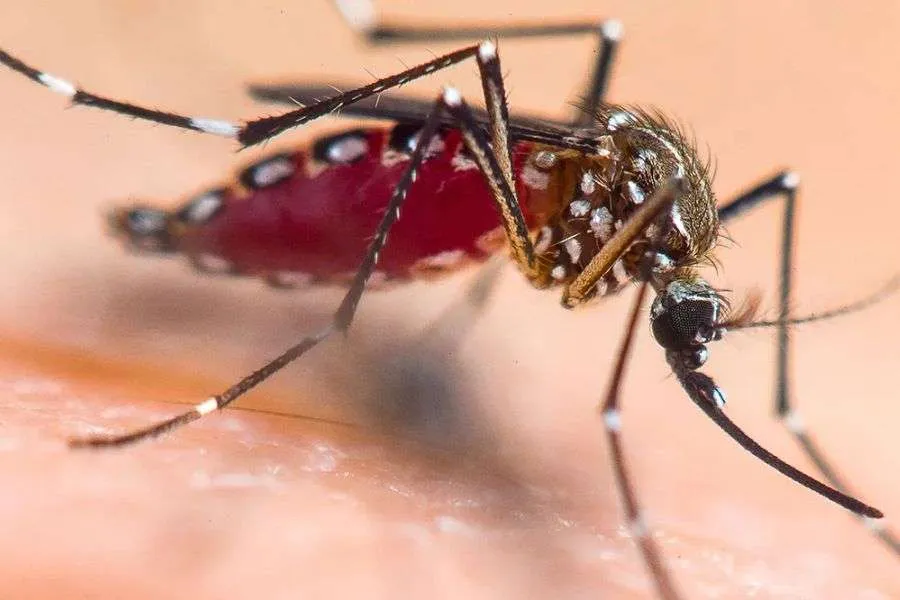
The Canary Islands Health Department has confirmed that new adult Aedes aegypti mosquitoes, the species known as the yellow fever mosquito, have been detected in a trap at the cruise terminal in the Port of Santa Cruz de Tenerife.
This is the same species that can transmit diseases such as dengue, Zika, chikungunya and yellow fever in other parts of the world, although none of these illnesses are circulating in the Canary Islands. Even so, health authorities say early detection is essential to prevent the mosquito from settling in the islands.
Monitoring increased after previous detection
The last detection at the port took place in February 2024, which caused a reinforced surveillance programme in the area. Since then, more traps have been installed, and samples are taken more frequently to ensure any new arrivals are found quickly.
During last week’s routine checks, several adult mosquitoes were captured. Analysis by the Medical Entomology Laboratory at the University Institute of Tropical Diseases confirmed that one of them was a female Aedes aegypti.
Experts believe this is a new isolated arrival, most likely brought in on a ship from a region where the species is established. However, the Health Department says it is vital to continue strong monitoring to stop the mosquitoes from spreading.
Health authorities continue strict surveillance
Following the confirmation, the Directorate-General of Public Health, Sanidad Exterior, the Port Authority and other agencies agreed to maintain the increased surveillance and continue taking preventive measures in and around the port.
Healthcare professionals have also been informed about the mosquito, how to recognise its bite, and how to report any suspected cases. Training is being provided to ensure early detection of symptoms related to diseases that this mosquito can transmit, even though such illnesses are not currently found here.
Residents in the surrounding area have been advised to report any mosquito sightings, breeding sites in gardens or patios, or unusual bites.
A surveillance system in place since 2013
The Canary Islands have had an Entomological Surveillance System operating since 2013. It is managed by the Directorate-General of Public Health together with the University of La Laguna and is designed to detect invasive mosquito species early and stop them from becoming established.
Anyone who suspects they have seen an Aedes mosquito, or experiences an unusually strong reaction to a bite, can send photos to vectores.scs@gobiernodecanarias.org, including their location and a contact number.
How residents can help prevent mosquito breeding
Health officials remind the public that these mosquitoes can breed in very small amounts of water, even in something as tiny as a bottle cap. To help prevent this, residents are encouraged to:
- empty or clean plant pot trays once a week, or fill them with sand
- avoid growing plants directly in water
- store containers upside down outdoors
- prevent puddles from forming after rain or watering
- refresh pet drinking water daily
- keep water tanks sealed
- maintain swimming pools properly
- check fridge trays, air-conditioning units and drains for stagnant water
These small steps greatly reduce the chance of mosquito breeding.
Previous episodes in the Canary Islands
Aedes aegypti has been detected and successfully eliminated in Fuerteventura (2019), La Palma (2023) and the El Toscal area of Santa Cruz (2024). The islands have also dealt with episodes of Aedes albopictus (the tiger mosquito) in Tacoronte and Vuelta de los Pájaros, both declared eradicated in 2025.
However, monitoring continues in areas where mosquitoes have recently been found, including Tenerife South Airport, Tuineje in Fuerteventura, the Port of Santa Cruz, Santa Catalina Pier, and the Piletas neighbourhood in Las Palmas de Gran Canaria.
Share: