

H&M confirms store closures in Tenerife and Gran Canaria amidst battle with Shein and Temu
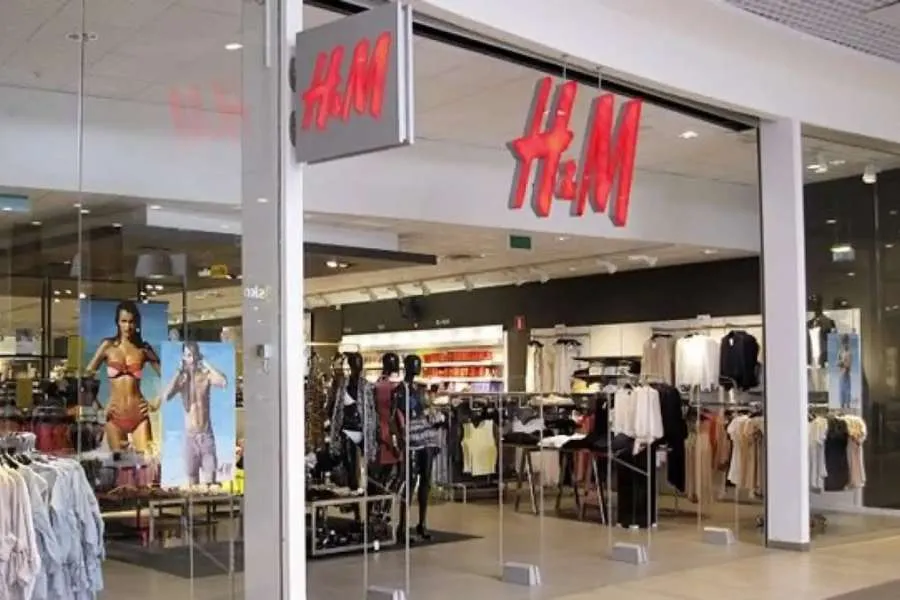
The transformation of the clothing industry continues to reshape Spain’s retail sector, with traditional chains under mounting pressure from ultra-fast fashion, aggressive pricing, and the dominance of international digital platforms such as Shein and Temu.
In this context, H&M has confirmed a new wave of store closures in Spain as part of its ongoing restructuring programme — changes that also affect the Canary Islands.
Significant Reduction in Spain
The Swedish retailer has been steadily reducing its Spanish footprint since 2019. According to data from the Mercantile Registry and the company’s own website, H&M has reduced its nationwide network from 167 stores to 105, with the closure of 62 shops, nearly 40% in just six years.
In late 2024, the company announced 28 closures, with 27 ultimately carried out, extending a cycle of annual reductions that has now continued for six consecutive years.
Closures in the Canary Islands
Among the affected locations is the branch in the Añaza shopping centre (Carrefour) in Tenerife, one of H&M’s outlets in the archipelago, as well as the store on Calle Triana in Las Palmas de Gran Canaria.
Worldwide Store Contraction
Spain is far from an isolated case. Over the past six years, H&M has closed 975 stores globally — a reduction of around 20% of its international network, shrinking from 5,076 locations to 4,101.
The pace of closures has accelerated:
- 96 stores closed in 2023
- 116 in 2024
- 152 in the most recent financial year ending 30 November
For 2025, the company anticipates a net closure of 80 additional stores.
Looking ahead to 2026, H&M plans to open roughly 80 new outlets while closing around 160, with new openings concentrated in markets deemed strategic or with strong growth potential.
Competitive Pressure Intensifies
The restructuring is largely driven by the explosive rise of ultra-cheap online fashion, particularly from Chinese platforms such as Shein and Temu, along with stiff competition from low-cost chains like Primark.
H&M has struggled to match the speed and efficiency of ultra-fast digital competitors, whose production cycles and pricing models have reshaped consumer expectations. However, the landscape may shift slightly following the end of tariff exemptions on low-value shipments (the “minimis” threshold), a change that could impact cross-border budget e-commerce.
Data from German consultancy ECDB indicates a sharp slowdown in growth for these platforms:
- Shein’s global average growth is expected to fall from 74.5% over the last decade to 6.5% by 2026.
- Temu, after an extraordinary 530.5% average over the past three years, is forecast to grow by just 13.4% this year.
A New Retail Model
H&M’s withdrawal reflects a structural shift in the sector: fewer physical shops, a greater focus on online sales, and strategic concentration in profitable markets.
In the Canary Islands, the closures in Añaza and Triana encapsulate this transition. The fashion market continues to reorganise in response to global digital competition, pricing pressure, and changing consumer behaviour, forcing long-established chains to rethink their business models in pursuit of efficiency and long-term viability.
Share: