
Gran Canaria: Ten places you can't afford to miss
Gran Canaria is one of those destinations that quietly defies expectations. People arrive expecting beaches, they leave having discovered ancient ravines, lunar rock formations, colonial old towns, and a coastline that shifts character every few kilometres. Calling it a single island feels like an understatement — this is a place with the variety of an entire continent compressed into 1,500 square kilometres.
Picking just ten highlights is a challenge. But these are the places that earn their place on every list, and a handful of extras that most visitors walk right past.
Roque Nublo, Tejeda
There's a reason locals call it the volcano's child. Roque Nublo rises dramatically from the centre of the island, watching over Gran Canaria from an elevation that puts it close to the clouds on most mornings. The hike to its base is manageable for most fitness levels and rewards you with views that stretch to the ocean in every direction. The surrounding landscape is raw, volcanic and unlike anything else on the island, stark enough to feel otherworldly, beautiful enough to stay in your memory long after you've left.
Maspalomas Dunes, San Bartolomé de Tirajana
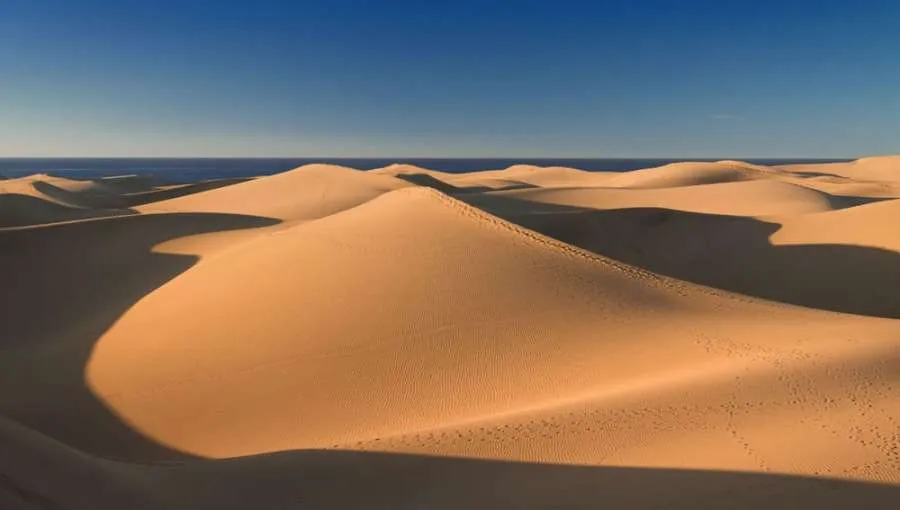
Four hundred hectares of golden sand in the island's south, stretching all the way to the Atlantic shore. The Maspalomas Dunes feel genuinely out of place in the best possible way, a desert landscape that appeared where no one expected it, framed by the old lighthouse that has guided ships since 1890. Walking into the dunes at sunset, when the light turns everything amber and the wind shapes the sand into ridges and valleys, is one of the island's great free experiences.
Entertainment Beyond the Beach
Gran Canaria's appeal extends well beyond its landscapes. For visitors who enjoy an evening of gaming alongside their sightseeing, the island has a genuine casino scene worth knowing about. Gran Casino Costa Meloneras, nestled within the upscale Maspalomas resort area close to the famous dunes, combines glamour with the relaxed charm of the southern coast and is popular with both casual players and serious gamers alike.
Casino Las Palmas, located near the historic district of Vegueta and Las Canteras Beach, blends the energy of the city with the excitement of gaming and has an authentic local atmosphere that sets it apart from the more tourist-oriented venues.
For those who prefer their gaming without leaving the hotel room, online platforms offer a flexible alternative. Stay Casino promo code options, for instance, let you get started with reduced financial risk before committing further. As always, gambling is entertainment, approach it with a clear budget and a relaxed mindset, the same way you'd approach any other evening out on the island.
Puerto de Mogán
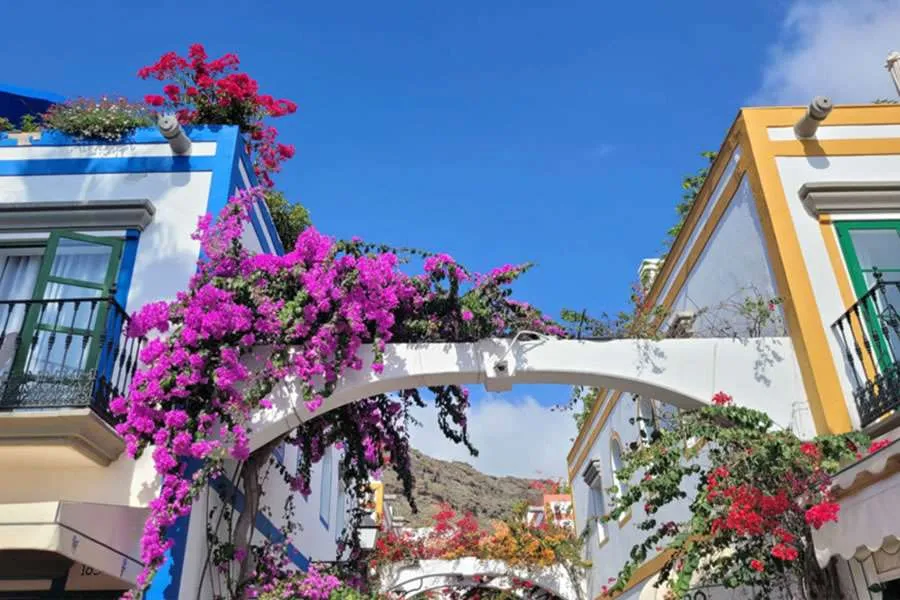
Gran Canaria's answer to the Italian Riviera, minus the crowds and the price tag. This small fishing village is built around colourful canals, flower-covered bridges and bougainvillea draped over every wall. The pace here is slow by design. Locals and long-stay visitors fill the waterfront bars in the evening, and the harbour still operates as a working port. Come for a morning, stay for the afternoon, and you'll understand why so many people never make it back to their resort.
Teror Old Town
Hidden in the heart of the island, Teror is the kind of place that rewards slow exploration. The old town is a beautifully preserved collection of cobbled streets and overhanging wooden balconies that speak to centuries of Canarian architecture. At its centre stands an 18th-century basilica, declared a Site of Cultural Interest, where the Virgin of El Pino, patron saint of Gran Canaria, has been venerated by islanders for generations. Visit on a Sunday morning when the weekly market fills the streets with local produce, cheese and craft.
Las Canteras Beach, Las Palmas de Gran Canaria
Most urban beaches are an afterthought. Las Canteras is the main event. This kilometre-long stretch of sand sits right in the heart of the island's capital, protected by a natural reef that keeps the water calm and clear enough to see the seabed from the shore. It's a genuinely vibrant beach that reflects the character of the city around it — animated, social and active from morning to midnight. The paseo running its length is one of the best evening walks in the Canary Islands.
Jardín Canario, Tafira
Just outside Las Palmas, in the municipality of Tafira, lies a botanical garden that deserves far more attention than it typically receives. Founded in 1952 by Swedish botanist Eric Ragnor Sventenius, the Jardín Canario was built around one man's dream of gathering the entire botanical wealth of the Macaronesian region in a single place. The result is a lush, sprawling green space filled with endemic species found nowhere else on Earth. It's free to enter, and it's one of the island's most underrated escapes from the heat.
Puerto de las Nieves, Agaete
A favourite of islanders who know where to go on a Sunday. Puerto de las Nieves is a small fishing village on the northwest coast, sheltered by dramatic cliffs and centred around a quay lined with good seafood restaurants and old-fashioned cafés. The natural pools here are calm and clear, the pace is unhurried, and the sunsets — framed by the colossal cliff formation known as the dragon's tail — are as good as any on the island. It's the kind of place where you lose track of time without minding.
Vegueta, Las Palmas de Gran Canaria
The founding quarter of the island's capital carries more than five centuries of history within its narrow streets. Declared a National Historic-Artistic Site in 1973, Vegueta has been walked by pirates, colonists, warriors and residents whose stories have left marks on every corner. The architecture is colonial and beautifully preserved, the cathedral is worth an hour of anyone's time, and the local market is one of the finest in the Canaries. Allow a full afternoon to do it justice.
Barranco de Guayadeque, Ingenio/Agüimes
Shared between two municipalities in the island's south, this ravine is one of Gran Canaria's most atmospheric natural spaces. Beneath its palm groves lie traces of the island's ancient inhabitants — cave dwellings, archaeological remains and a landscape that has remained largely unchanged for centuries. The towns of Ingenio and Agüimes on either end of the ravine both preserve their historical character in their old quarters, making this a full day out rather than a brief stop.
The Village of Tejeda
Listed among the most beautiful villages in Spain, Tejeda is best visited in late winter and early spring, when the island's famous almond trees burst into white and pink blossom and the entire valley fills with colour. The village produces exceptional traditional sweets — bienmesabe and marzipan among them — from those same almonds, and the craft shops here are worth browsing. Combined with a visit to Roque Nublo nearby, Tejeda makes for a perfect day in the island's mountainous interior.
Seven More Worth Your Time
The island's official guides — drawing on the experiences of thousands of travellers — consistently flag these additional spots as one’s visitors too often overlook:
Risco Caído and the Sacred Mountains, recently designated a UNESCO World Heritage Site, span the summit municipalities of Tejeda, Artenara and parts of Gáldar and Agaete — an archaeological landscape of extraordinary scale and significance.
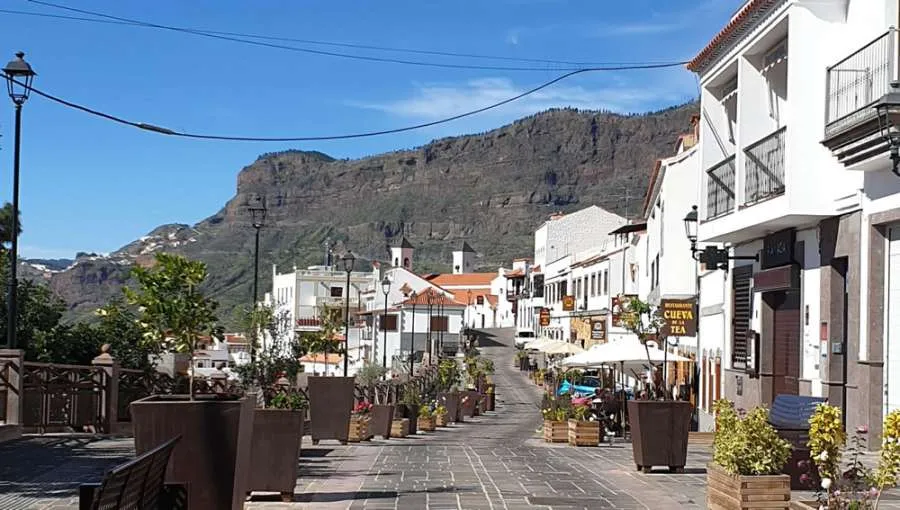
The village of Fataga, tucked into southern ravines and painted almost entirely white, offers a quiet contrast to the busier resort towns nearby. Cenobio de Valerón, a vertical fortress of over 250 cave cavities built as a granary by ancient Canarians at least a thousand years ago, is one of the island's most striking pre-colonial sites.
Bandama Caldera, just twenty minutes from Las Palmas, is a volcanic crater that rises suddenly from the vineyard landscape of Tafira and rewards the hike with sweeping views and a hidden wine press at its base.
The Los Tilos de Moya Nature Reserve protects one of the last surviving pockets of laurel forest on the island — ideal for hikers looking for shade and solitude.
The Cueva Pintada Museum and Archaeological Park in Gáldar offers the closest thing on the island to a time machine, bringing the origins and culture of Gran Canaria's indigenous people vividly to life.
Finally, the Pico de los Pozos de la Nieve viewpoint in Tejeda, at 1,956 metres the island's highest accessible point, offers the rare spectacle of looking down onto a sea of clouds spread across the interior valleys below.
Gran Canaria is the kind of island that keeps surprising you. Give it more than a week and it will still have something left to show you.
Share: