
Experts say Teide’s latest seismic swarms represent a ‘New Phase’ in volcanic activity in Tenerife
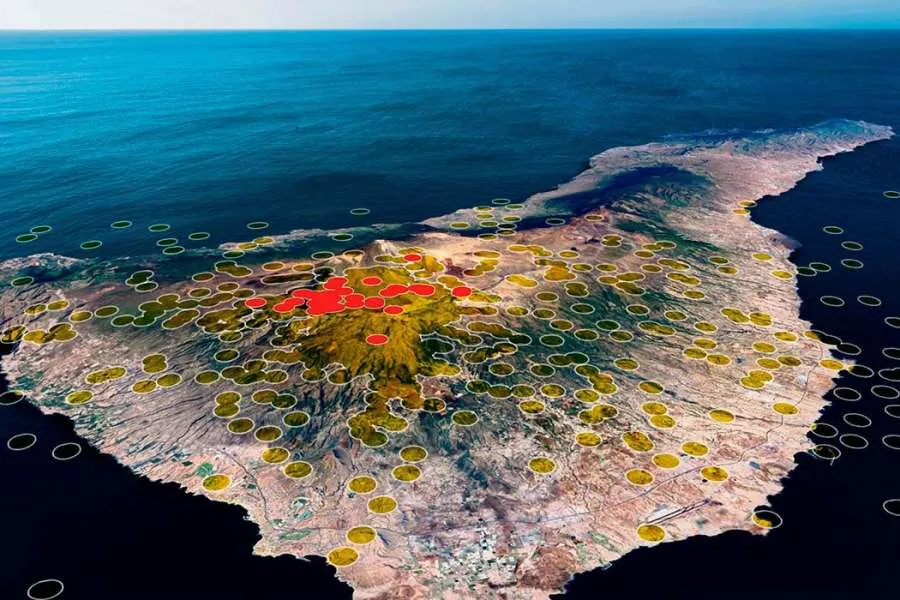
A series of three seismic swarms in just a week at Las Cañadas del Teide places volcanic activity on the island “a small step further”, according to Itahiza Domínguez, director of the National Geographic Institute (IGN) in the Canary Islands.
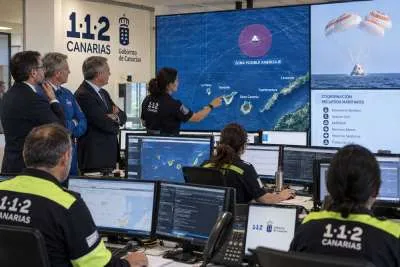
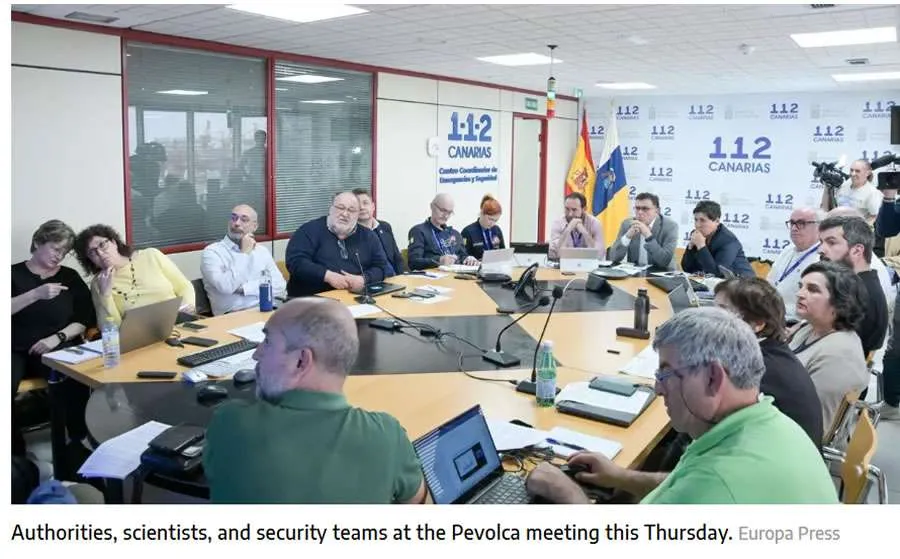
Following a new meeting of the scientific committee (Pevolca) to analyse the data, Domínguez explained that the increased frequency of seismic events suggests the system may have entered “a new phase”. However, experts do not yet know whether this pattern will continue or fade out.
He stressed that the rise in low-magnitude seismicity does not change the probability of an eruption in the short or medium term. “We are seeing more activity, but the likelihood remains the same,” he said.
For the risk level to shift, earthquakes would need to be felt by the public, typically from magnitudes of 2.5 mbLg upwards. “From that point it could be concerning, but each case must be assessed individually,” he added.
Small Quakes, Higher Frequency
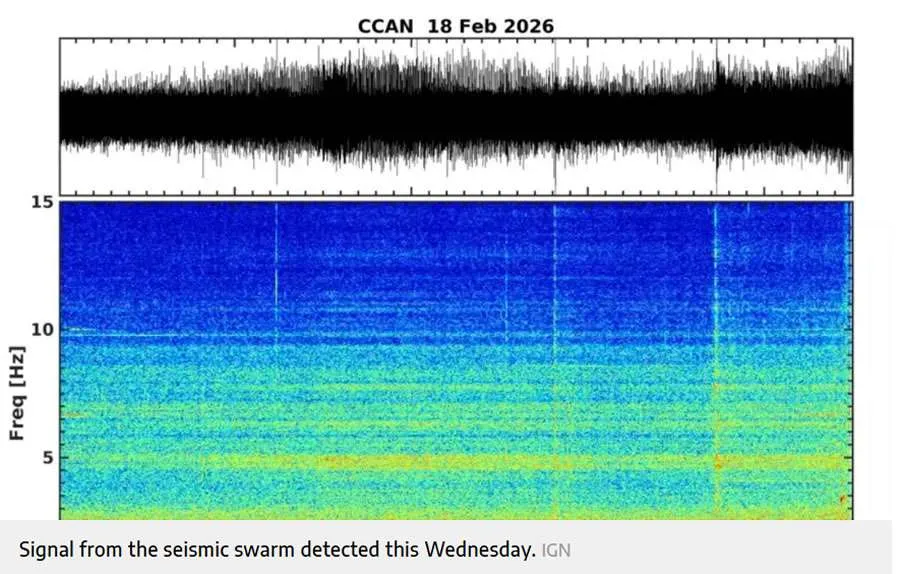
The three recent swarms are made up of “very small” temors, many too weak to be easily detected, with magnitudes below 0.7–0.8. The most recent swarm, which began on Wednesday and was still ongoing during Thursday’s meeting, showed a “slightly greater amplitude” but remained low-level overall.
Domínguez warned against drawing comparisons with the eruptions in La Palma or El Hierro, noting that Tenerife’s volcanic system is structurally different. “Tenerife has a central system that complicates things. The island regularly records around a thousand earthquakes a year in this area, something that does not happen elsewhere,” he explained.
A Potential “New Phase”
The increased frequency of swarms may indicate a shift in the behaviour of the volcanic system, but scientists cannot yet determine whether it will persist. Tenerife is now “exceptionally well-monitored”, with over 100 surveillance stations operated by the IGN, Involcan, and other institutions. This intense monitoring network means scientists can detect activity that would have gone unnoticed 15 years ago.
Domínguez urged the public to rely on official sources amid circulating misinformation. “We work so people understand what is happening, but we do not have 100% of the answers. That’s when rumours appear.”
What the Scientists Concluded
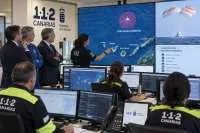
The Scientific Committee of Evaluation (CCES) met yesterday, Thursday, to review activity recorded since 7th February. They confirmed that there is no increase in the probability of a volcanic eruption in Tenerife in the coming weeks or months.
Since early February, scientists have detected several sequences of low-frequency seismic events and three hybrid-type seismic swarms, each comprising hundreds of tiny quakes. No changes have been observed in gas emissions or ground deformation, key indicators of rising magma.
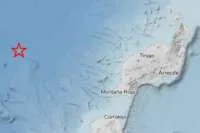
Low-frequency quakes, around 100 in total, were located west of Las Cañadas at depths of 10–12 km. This type of activity, linked to fluid movement, has been observed occasionally since 2016 but not in such sustained episodes.
The three swarms, all located at depths of 8–9 km west of Las Cañadas, involved over 400 events on 12th–13th February, at least 1,400 on 16th–17th February, and more than 1,000 in the ongoing swarm that began on 18th February. None of these have been felt by the population.
The CCES will continue to analyse the evolving situation and will strengthen monitoring efforts to ensure the island remains well-protected and well-informed.
Share: