

Overcoming Dental Anxiety: How modern techniques are making dental visits more comfortable
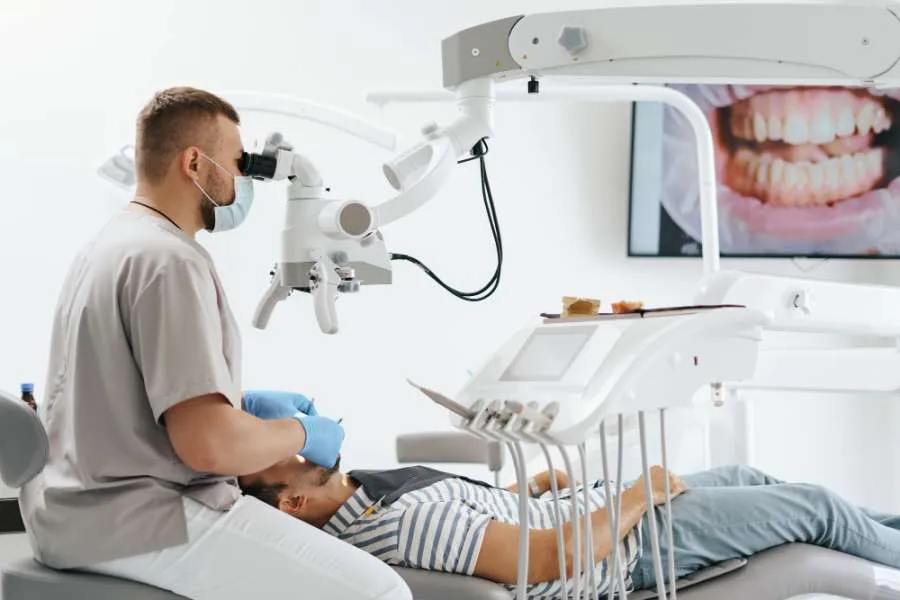
Dental anxiety is a common challenge faced by millions of people worldwide. The mere thought of sitting in a dental chair can provoke feelings of fear, stress, and avoidance, sometimes leading patients to delay or even skip essential dental care. This not only affects oral health but can also have broader implications for overall well-being.
Fortunately, advances in dental care are transforming the patient experience, making visits less intimidating and more manageable. Understanding these modern approaches can empower individuals to maintain their oral health with confidence.
Understanding Dental Anxiety
Dental anxiety is more than simple nervousness. It is a recognised psychological condition that can range from mild unease to severe phobia. According to the American Dental Association (ADA), approximately 36% of the population experiences some form of dental fear, and around 12% avoid dental visits entirely because of it.
The sources of dental anxiety are varied, often stemming from past negative experiences, fear of pain, loss of control, or even the sounds and smells associated with dental procedures. These fears are deeply personal but universally understandable, and addressing them requires a combination of empathy and evidence-based techniques.
Modern Techniques for Comfort and Calm
Over the past two decades, dental care has undergone a significant transformation. Techniques that focus on patient comfort are no longer optional; they are central to the practice of dentistry. Today, dentists have a wide array of tools to help patients manage anxiety, reduce discomfort, and regain control over their dental care.
One of the most effective approaches is sedation dentistry. This method uses safe, carefully controlled medications to help patients relax during procedures. Sedation can range from minimal, where the patient remains fully awake but calm, to moderate, where the patient may remain conscious but deeply relaxed, and even to general anaesthesia for more complex procedures. The key advantage is that sedation allows patients to undergo necessary treatments without the stress and fear that often accompany dental visits.
Another innovation lies in pain management. Modern local anaesthetics work faster and last longer, ensuring that patients experience minimal discomfort during procedures. Advanced techniques such as computer-controlled local anaesthetic delivery systems can further reduce the sensation of injections, which are often a primary source of fear.
Creating a Calming Environment
The physical environment of a dental office also plays a significant role in reducing anxiety. Many modern practices focus on creating a welcoming, soothing atmosphere. From calming colour schemes and soft lighting to comfortable chairs and entertainment options, the goal is to make the dental office feel less clinical and more supportive. Research in environmental psychology suggests that even small changes, such as background music or aromatherapy, can significantly reduce stress levels in patients.
Communication between the dentist and patient is equally crucial. Clear explanations, regular check-ins during procedures, and the opportunity to pause treatments at any time help build trust and reduce feelings of helplessness. Patients who understand what is happening and why are more likely to feel in control and less anxious.
Stress-Free Sedation Dentistry
For individuals with severe anxiety or a history of avoiding dental care, Stress-Free Sedation Dentistry can be particularly transformative. This approach integrates the benefits of sedation with personalised care strategies, allowing patients to undergo necessary treatments comfortably and safely. According to the ADA and other dental associations, sedation dentistry has been shown to improve patient compliance, reduce procedural stress, and even enhance recovery times. By addressing the physiological and psychological components of anxiety, sedation dentistry empowers patients to take charge of their oral health without fear.
The accessibility of sedation techniques has improved dramatically, with trained dental professionals ensuring that procedures are tailored to individual needs. Whether a patient requires minimal sedation for a routine cleaning or more intensive sedation for extensive restorative work, the approach is always patient-centred. This flexibility is key to overcoming barriers to care and fostering long-term oral health habits.
The Psychological Benefits of Overcoming Dental Anxiety
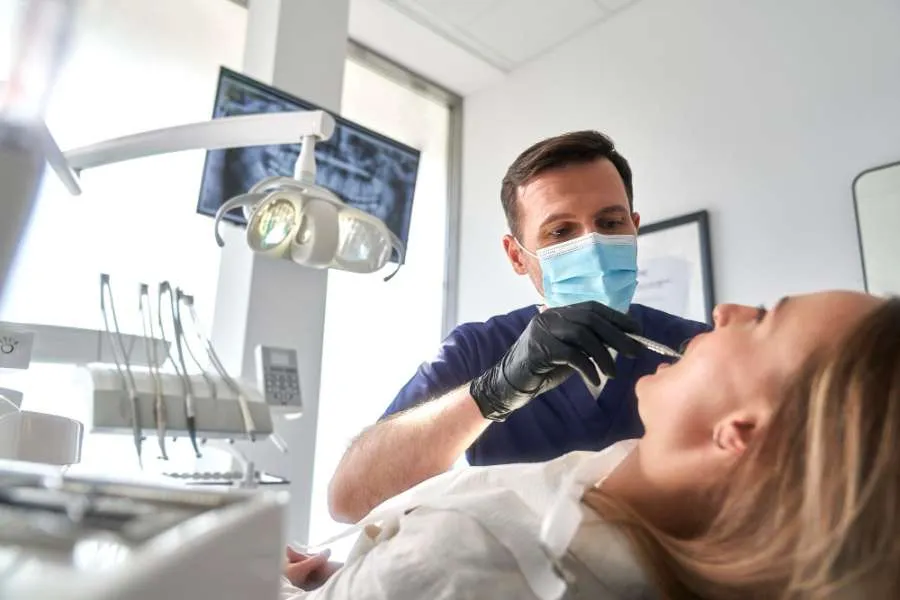
Successfully managing dental anxiety has far-reaching implications beyond oral health. Patients who can confront and navigate their fears often experience increased confidence in other areas of life. Avoiding dental visits due to anxiety can contribute to a cycle of worsening oral conditions, which may lead to more complex treatments and higher costs. Conversely, patients who engage in regular dental care enjoy improved oral hygiene, reduced risk of chronic conditions such as heart disease and diabetes, and a stronger sense of personal well-being.
Behavioural techniques, including cognitive-behavioural therapy (CBT) and relaxation exercises, are also increasingly incorporated alongside sedation methods. These strategies help patients develop coping mechanisms, reduce anticipatory anxiety, and maintain a positive association with dental visits over time.
Empowering Patients Through Knowledge
Education is another critical factor in reducing dental anxiety. Patients who understand the procedures, the expected sensations, and the outcomes are more likely to feel comfortable and prepared. Informational resources, patient consultations, and visual demonstrations all contribute to building trust and demystifying the dental experience.
Peer experiences and professional endorsements can reassure patients. Dental organisations worldwide consistently emphasise the importance of patient-centred care, the safety of sedation methods, and the effectiveness of modern pain management. Knowing that these practices are evidence-based and widely adopted can alleviate fears and encourage engagement.
Moving Forward with Confidence
Dental anxiety should no longer be a barrier to maintaining oral health. With modern techniques such as advanced anaesthetics, laser treatments, and Stress-Free Sedation Dentistry, patients can experience dental care in a way that prioritises comfort and psychological safety.
The combination of innovative technology, supportive environments, and compassionate communication ensures that even those with significant fear can receive the care they need.
Conclusion
Overcoming dental anxiety is a journey that requires understanding, support, and the right tools. By embracing modern dental techniques and creating a welcoming environment, patients can transform dental visits from a source of stress into an opportunity for proactive care.
Addressing anxiety not only improves oral health outcomes but also enhances overall well-being and confidence. With consistent care, informed choices, and the right strategies in place, individuals can reclaim control over their dental health and approach each visit with reassurance rather than fear.
Share: