
105 people arrested as huge Atlantic drug trafficking gang infiltrated
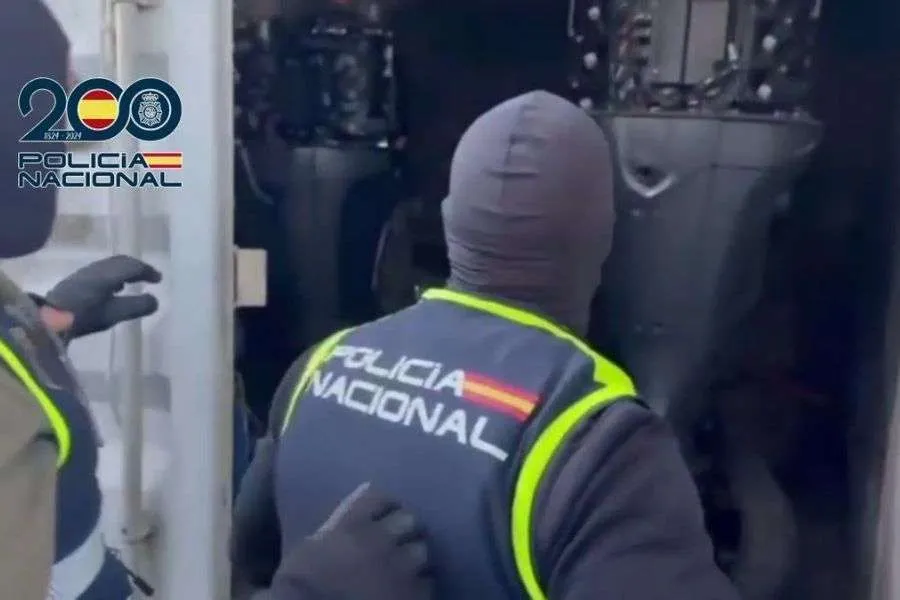
The National Police have dismantled what authorities describe as the largest cocaine trafficking network ever uncovered in the Atlantic, a highly organised criminal empire that used high-speed narco boats to flood Europe with drugs via the Canary Islands.
The international operation, known as Sombra Negra, has led to 105 arrests and the seizure of more than 10 tonnes of cocaine, following a year-long investigation carried out in two major phases. Police believe the network was responsible for smuggling around 57 tonnes of cocaine into Europe in just the last 12 months.
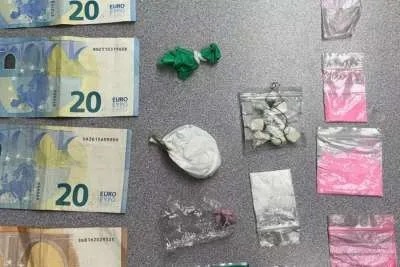
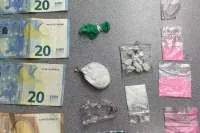
Officers carried out 49 coordinated raids, uncovering a vast criminal infrastructure that included 70 vehicles, 30 vessels, six properties, firearms, drones, encrypted communications equipment and more than €800,000 in cash. Investigators also seized advanced nautical and technological material valued at almost €2.5 million, which goes to show the scale and sophistication of the operation.
The investigation was led by Spain’s Central Investigating Court and the Special Anti-Drugs Prosecutor’s Office of the National Court. Its operational phase peaked last November, exposing an organisation specialised in transporting massive cocaine shipments using powerful speedboats capable of outrunning law-enforcement vessels.
According to police, the trafficking routes began in river mouths and coastal areas of Cádiz, Huelva, Almería and the Canary Islands, as well as along the shores of Morocco and Portugal. From there, the narco boats headed deep into the Atlantic, where drugs were transferred from larger “mother ships” before returning to the Canary Islands and southern mainland Spain.
The gangs operated almost exclusively at night, using boats capable of exceeding 40 knots, along with encrypted messaging systems, satellite phones and coded language to evade detection. Coastal lookout points were used to monitor police patrols and aircraft, allowing traffickers to abort operations if law enforcement was nearby.
The criminal network had a presence across large parts of Spain and beyond, including Galicia, Andalusia, Catalonia and Ceuta, as well as Portugal and Morocco. Within the Canary Islands, the organisation operated on Lanzarote, Gran Canaria, Fuerteventura and Tenerife. Elite police units, including the GEO and GOES, were deployed during raids on the islands and in Algeciras, La Línea de la Concepción and Jerez.
One of the biggest blows was delivered to what police described as the main logistics and money-laundering hub in the Campo de Gibraltar. This centre supplied secure communication devices, navigation systems and technical support to drug traffickers operating throughout southern Spain.
Investigators also uncovered floating offshore platforms where speedboat pilots reportedly lived at sea for more than a month at a time, carrying out multiple drug runs without returning to land. These platforms were kept operational using smaller supply boats delivering fuel, food, clothing and communications equipment. Police confirmed that more than 100,000 litres of fuel were used by the network.
In one of the most shocking revelations, investigators say the organisation allegedly paid €12 million to the family of a crew member who died during a smuggling operation, in an attempt to buy their silence and prevent links being made to the criminal network.
The investigation relied on extensive international cooperation, including the UK’s National Crime Agency, the US Drug Enforcement Administration, Morocco’s national security authorities, EUROPOL, and agencies in Portugal, France, Colombia and Cape Verde. Spain’s National Intelligence Centre also provided direct support.
The first phase of the operation, which concluded last June, resulted in 48 arrests and the seizure of 3.8 tonnes of cocaine across Lanzarote, Gran Canaria and Fuerteventura. The second phase, completed in November, led to 57 further arrests and the confiscation of more than €700,000 in cash and aerial surveillance drones in southern Spain.
Authorities have confirmed that the network had senior coordinators based in Morocco, Cádiz and the Canary Islands.
The operation was co-financed by European Union security funds as part of a wider strategy to dismantle organised crime networks and protect European citizens from large-scale drug trafficking.
Share: