
The government collects €1.36 billion IGIC in six months as calls for tax cut continue
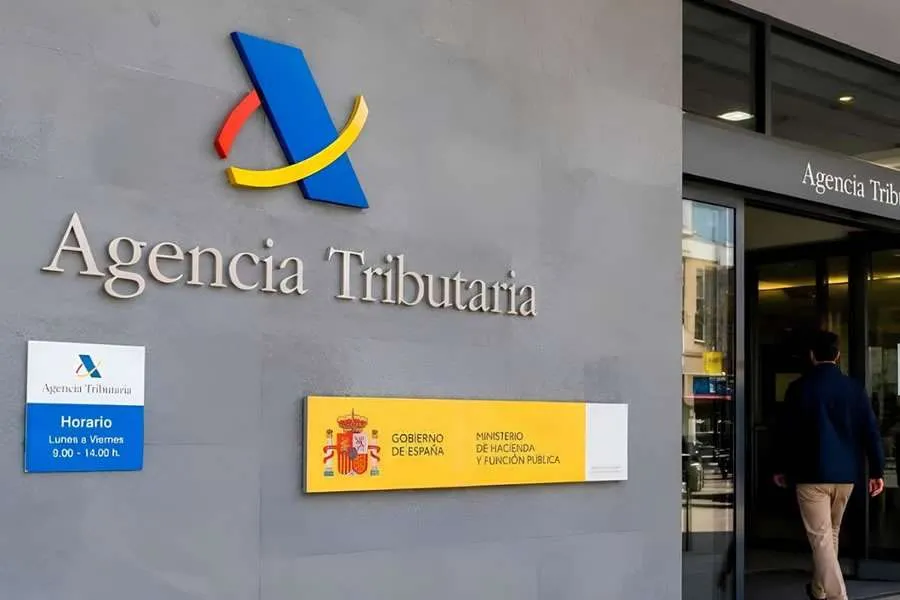
The Canary Islands Government collected €1.36 billion through IGIC during the first six months of 2026, an increase of 4.5% compared with the same period last year, as debate continues over whether the rate should be reduced.
IGIC (Impuesto General Indirecto Canario) is the Canary Islands equivalent of VAT and currently has a general rate of 7%, considerably lower than the standard 21% IVA rate applied across mainland Spain.
Why is the 7% rate important?
The general IGIC rate is currently 7%, but IGIC has several other rates depending on the product or service, including 0%, 1%, 3%, 5%, 9.5%, 15% and 20%. For example, many basic foods are zero-rated, while certain products attract higher rates.
The political debate referred to in the latest revenue figures concerns the general 7% rate. There have been calls for this standard rate to be reduced, particularly as the amount of money being collected through IGIC continues to increase.
According to figures published by the Canary Islands Statistics Institute (ISTAC), IGIC revenue increased by €59 million between January and June compared with the first half of 2025.
Overall, the regional government collected €1.52 billion from its various taxes during the first six months of this year, representing an increase of 4% year-on-year.
IGIC remains the biggest source of tax revenue
IGIC continues to account for the vast majority of the Canary Islands Government's own tax revenues.
The increase comes as the regional government has so far chosen not to implement a general reduction in the tax, despite growing revenues prompting renewed calls for families and businesses to receive some form of tax relief.
The Canary Islands Government has previously argued that any changes to taxation must be balanced against the cost of maintaining public services and meeting the islands' funding requirements.
However, the latest figures are likely to add further fuel to the debate over whether increasing tax revenues should allow the government to reduce the financial burden on households and businesses.
Other Canary Islands taxes
Revenue from the AIEM (Arbitrio sobre Importaciones y Entregas de Mercancías), a tax applied to certain imported and locally supplied goods in the Canary Islands, reached €150 million, an increase of 0.6% compared with the same period last year.
In contrast, revenue from the Special Tax on Certain Means of Transport fell by 9.8% to €10 million.
The Canary Islands also received €293.8 million from taxes transferred by the Spanish State during the first half of 2026.
Of this, €235.9 million came from Property Transfer Tax and Stamp Duty (ITP-AJD), which includes taxes commonly associated with property purchases and certain legal transactions.
Will the 7% IGIC rate be reduced?
Attention is now turning once again to whether the Canary Islands Government will consider reducing the general IGIC rate.
With IGIC alone generating more than €1.36 billion in just six months, the question of what should happen to the additional revenue is becoming an increasingly prominent part of the islands' political and economic debate.
For residents and businesses, even a relatively small reduction in the general rate could potentially affect the cost of a wide range of everyday goods and services.
For now, however, the general IGIC rate remains at 7%, with the regional government maintaining that any tax reduction must be financially sustainable and compatible with funding essential public services.
Share: