
Active Tourism in the Canary Islands - things to do on the islands all year round
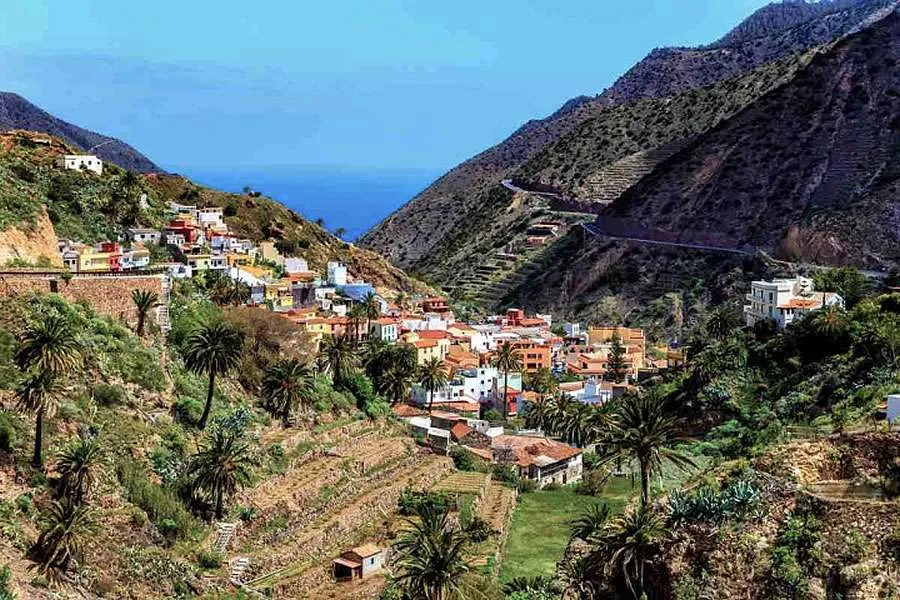
The Canary Islands have long since shed their image as a purely beach destination. This Atlantic archipelago of eight islands offers dozens of active tourism options on land, in the water, and in the air. Below you'll find the key activities, tips for choosing the right island, and some basic guidelines to help you make the most of your holiday responsibly.
What active tourism actually means
Active tourism brings together outdoor pursuits in which the traveller participates physically rather than simply observing. Sport, adventure, relaxation, and exploration of the landscape all blend into one. In the Canaries, this format is backed by well-developed infrastructure and companies operating to strict safety standards.
Why the Canaries
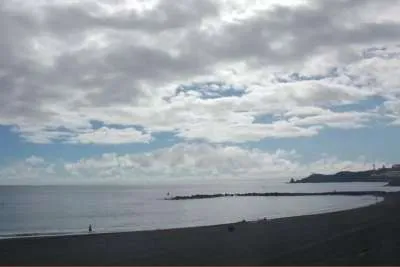
Few regions in Europe can offer such convenient conditions for year-round outdoor activities. The subtropical climate and geological diversity make the archipelago a natural gym with no off-season.
- More than 300 sunny days a year
- Temperatures rarely drop to uncomfortable levels in any month
- Eight islands with strikingly different landscapes
- Four national parks and numerous protected areas
- Volcanic coastlines, laurel forests, ravines, and mountain ranges all in one place
- A wide range of activities suited to different ages and fitness levels
A selection of activities by category
All activities are conveniently grouped by environment (land, sea, air) and by intensity, from relaxed to adrenaline-fuelled. Each section covers the essentials: what it involves, who it suits, the best locations, and how to take part.
Hiking across volcanoes and forests
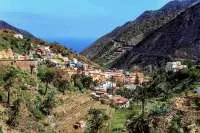
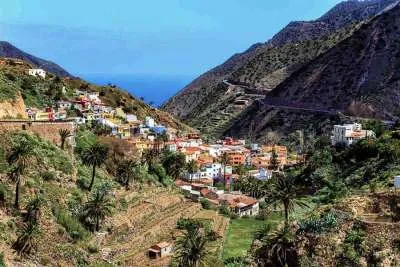
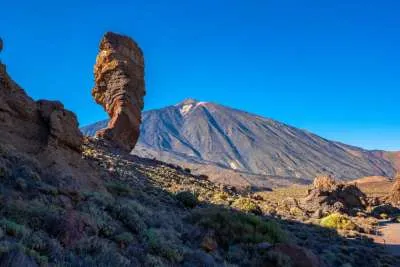
Hiking remains the most versatile way to experience the variety the islands have to offer. Easy trails are perfect for families and beginners, while longer routes attract seasoned walkers. Standout locations include Teide and the Anaga massif on Tenerife, Caldera de Taburiente on La Palma, Garajonay National Park on La Gomera, and Roque Nublo on Gran Canaria. Waymarked trails make it easy to explore independently, and guides are available for more challenging sections.
Surfing, windsurfing, kitesurfing
Wind and waves are the signature feature of the archipelago in the world of water sports. Fuerteventura is considered a paradise for wind-powered disciplines, Famara beach on Lanzarote is a favourite among surfers, and El Médano on Tenerife along with Gran Canaria's spots regularly host international competitions. Schools and courses cater to all skill levels.
Kayaking, SUP, snorkelling, and boat trips
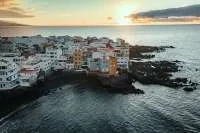
The coastal waters open up access to caves, hidden beaches, and cliffs that are unreachable from land. Tours often combine kayaking with snorkelling, and for those who prefer a more relaxed pace, trips on catamarans, sailing boats, and glass-bottomed boats are widely available. Popular routes run along the shores of Lanzarote, Fuerteventura, Tenerife, Gran Canaria, La Gomera, and La Palma.
Diving in crystal-clear waters
Water clarity, rich marine life, and underwater volcanic formations make the Canaries one of Europe's top dive destinations. Below the surface you'll encounter sea turtles, rays, shoals of tropical fish, and groupers. Try dives (discover scuba) with an instructor are available for beginners, while certified divers tend to head for El Hierro, Lanzarote, and La Palma.
Whale and dolphin watching
A resident population of pilot whales and bottlenose dolphins lives between Tenerife and La Gomera, making whale and dolphin watching possible throughout the year. Boat tours are conducted with a strong emphasis on responsible behaviour towards the animals.
On two wheels and up in the sky
Mountain roads and natural tracks draw cyclists of all levels, from leisure riders to professionals — it's no coincidence that professional teams hold training camps here. The best routes are found on Gran Canaria, Tenerife, Lanzarote, and La Palma. Paragliding lets you take in volcanic landscapes and the Atlantic from above, and tandem flights are available with no prior experience on Tenerife, Gran Canaria, La Palma, and El Hierro.
A thrill without the physical effort
Not every traveller feels drawn to the slopes of Teide or a flight over the ocean, but there are still plenty of ways to get a thrill on the islands. Tenerife, Gran Canaria, and Lanzarote all have land-based casinos that visitors drop into for an evening after a day at the beach or on a tour. By all accounts, these venues deliver a genuinely memorable experience: a lively atmosphere on the floor, croupiers at the tables, and a sense of excitement that's hard to find elsewhere.
That said, land-based casinos face stiff competition from online casinos. The latter have their own strong points: play at any time from anywhere, a vast selection of slots, no dress code, and no deposit bonuses that let you try your luck with minimal risk. The team at nodepositau.com notes that the number of online casinos offering no deposit bonuses keeps growing, and with it the pressure on traditional venues intensifies. Even so, classic casinos hold their own in this competition, largely thanks to tourists for whom an evening at the roulette table becomes just as much a part of the holiday as diving or hiking. As with any other activity, it's worth setting your own limits before you start.
To help you figure out where to best combine daytime adventures with evening entertainment, here's a quick island cheat sheet.
How to choose your island
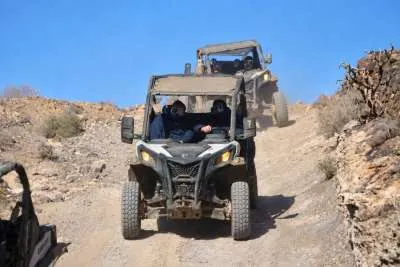
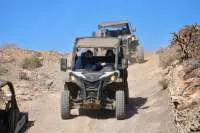
- Lanzarote — volcanic landscapes, kayaking, snorkelling, diving, 4x4 tours
- Fuerteventura — surfing, windsurfing, kitesurfing
- Tenerife — hiking, paragliding, kayaking, whale watching
- Gran Canaria — cycling, canyoning, water sports
- La Palma — hiking, diving, paragliding
- La Gomera — walking trails, whale and dolphin watching
- El Hierro — diving and hiking at a relaxed pace
- La Graciosa — kayaking, SUP, cycling, unspoilt beaches
Responsible active tourism checklist
After all the adventure and time on the water, it's especially important to keep safety and nature conservation in mind.
- Stick to marked trails
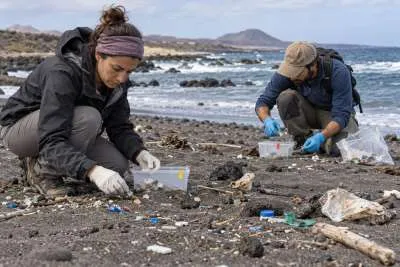
- Leave no litter
- Do not disturb the flora and fauna
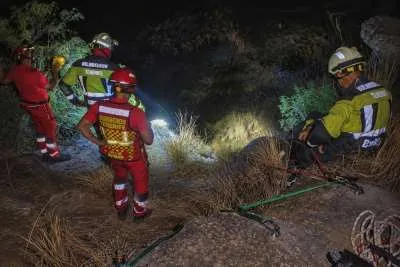
- Follow your guide's instructions
- Choose licensed operators
- Check the weather forecast before heading out
Share: