
Gran Canaria tourism revenue hits record high despite fewer visitors
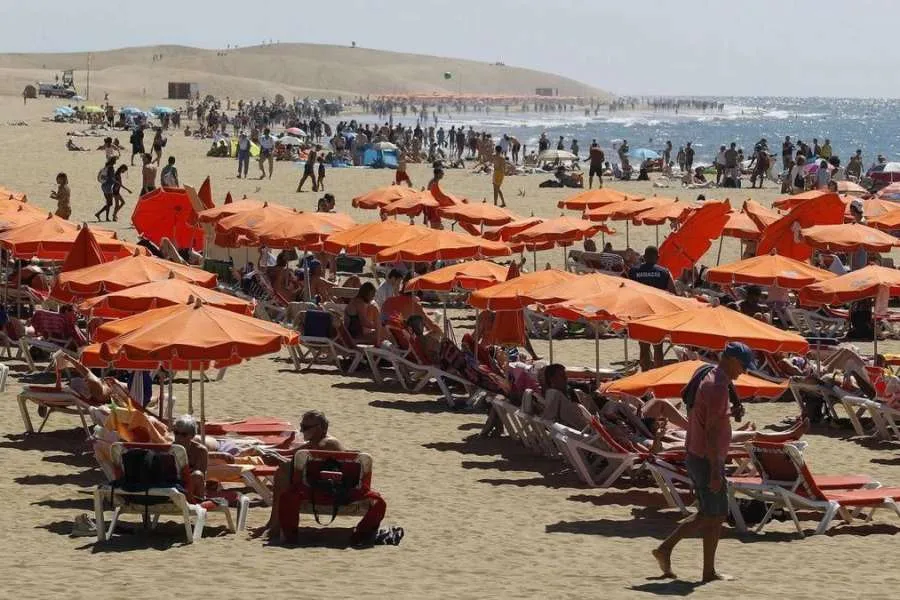
Gran Canaria generated a record revenue of €1.18 billion from tourism between April and June this year, despite having fewer holidaymakers than during the same period of 2025.
Tourism revenue in Gran Canaria reached its highest-ever level for the second quarter of the year, according to the latest figures published by the Canary Islands Statistics Institute (ISTAC).
In the second quarter of 2026, tourists spent a total of €1.18 billion on the island, an increase of 0.48% compared with the same three months last year. Significantly, the record revenue came despite a 2.8% fall in visitor numbers.
According to FRONTUR figures, Gran Canaria welcomed 991,642 tourists during this period, highlighting that they are spending more individually even though slightly fewer people are travelling to the island.
Tourists spending more during their holidays
Average expenditure per tourist increased by 4.51% to €1,383.91, while average daily spending rose by 4.13%.
The figures support Gran Canaria's strategy of increasing the economic value generated by each visitor rather than relying solely on continuously increasing tourist numbers.
There are also positive indications for the summer season. According to AENA figures, 309,614 international passengers arrived in Gran Canaria during July, an increase of 4.6% compared with July 2025. Across the year so far, international passenger arrivals are up by 1.03%.
Gran Canaria's Tourism Councillor, Carlos Álamo, said the second-quarter figures show that tourism revenue has remained virtually stable despite the decline in visitor numbers, thanks largely to increased spending per tourist.
He said the results demonstrate the importance of generating greater economic value from individual visitors without having to rely on an "exponential" increase in the number of tourists coming to the island.
Dutch market surges by more than 34%
One of the biggest changes has been in the nationalities contributing to Gran Canaria's tourism economy.
The Netherlands recorded the strongest growth, with total expenditure by Dutch tourists increasing by 34.44% to €122.7 million. That's €31.4 million more than during the same period last year. Average spending by Dutch visitors also climbed substantially, increasing by 23.43% to €1,609.67 per tourist.
Spending by visitors grouped under other international markets increased by 9.04%, generating an additional €26.8 million, while their average expenditure per tourist rose by 11.51%.
The domestic Spanish market also performed strongly, with total spending increasing by 7.27% and average spending per visitor rising by 9.36%.
British tourist spending falls
However, the picture was less positive in some of Gran Canaria's traditional tourism markets.
Total spending by British tourists fell by 2.89%, while expenditure from the German market dropped by 4.69%.
Despite the overall decline from Germany, average spending by individual German tourists increased by 9.08%, suggesting fewer visitors but higher expenditure among those who did travel.
The largest decline was recorded among the Nordic markets, where total expenditure fell by 26.15% to €110.8 million. That represents a reduction of €39.3 million compared with the second quarter of 2025, while average spending per Nordic tourist also decreased by 9.32%.
Less reliance on traditional tourism markets
Álamo said the changing figures demonstrate why Gran Canaria has been working to diversify the countries from which it attracts visitors.
According to the Tourism Councillor, the island is now less dependent on its traditionally dominant markets, meaning a fall in visitors from one country can increasingly be compensated for by growth elsewhere.
He said this diversification is giving Gran Canaria's tourism industry greater strength and stability.
The latest figures also indicate a broader shift in the type of tourism the island is attracting, with increased emphasis on visitors who generate greater economic value during their stay.
For the authorities, the challenge will now be to monitor traditional markets such as the UK, Germany and Scandinavia, while continuing to develop newer and faster-growing markets.
Despite slightly fewer tourists between April and June, the bottom line remains positive for Gran Canaria: visitors are spending more, and tourism revenue has reached another record high.
Share: