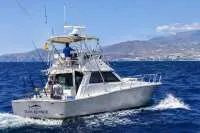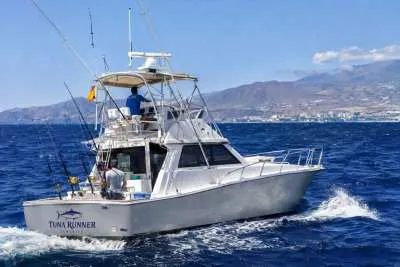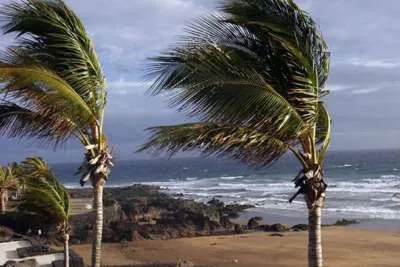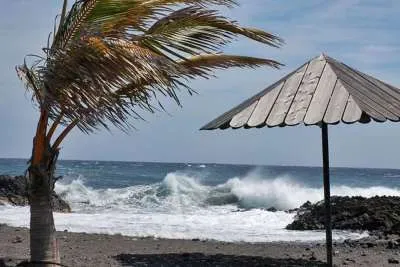

The Canary Islands is quickly becoming a year-round fishing destination
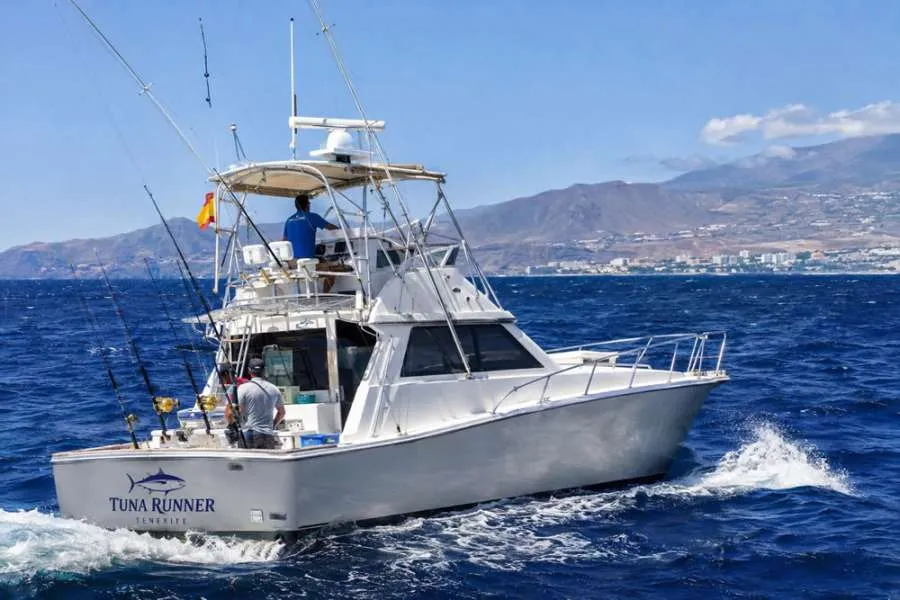
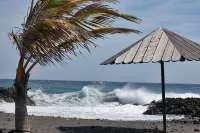
The Canary Islands are a premier destination for maritime tourism and sports fishing. Volcanic drop-offs, warm winds, and nutrient-rich waters provide the perfect conditions for anglers around the world.
Media is Putting Fishing in the Spotlight
TV shows like Jeremy Wade’s River Monsters and Fish or Die are helping to shift the focus to more expedition-focused adventures. Deadliest Catch shows a completely different perspective, covering crab fishing in the Bering Sea.
YouTube videos, on the other hand, offer more personal insight. Luke Nichols’ Outdoor Boys channel features wilderness adventures, survival skills, and fishing.
Iron Maiden guitarist Adrian Smith has discussed his love for fishing on the Tom Rowland Podcast and in his memoir, Monsters of River & Rock. Fishing is also a big theme in iGaming. Those who play Big Bass Splash slot games online will know that the titles contain a lot of recognisable imagery, including tackle boxes, fishing rods and species of bass.
Modern technology has helped to put fishing on the map, as advanced rods and better fishing hook designs have brought more people into the sport. GPS tracking is also contributing to more sustainable fishing, as explained by Seapen, which is drawing new audiences while ensuring that some species are not at risk of being overfished.
Fishing Holidays Support the Local Tourism Economy
As fishing seasons in the Canary Islands run year-round, it's a valuable contributor to the local economy. Blue and white marlin can be fished from May to November, and Bigeye Tuna and Albacore can be fished between February and April.
Amberjack and dentex can be fished between November and January, and there are also a number of coastal species. Parrotfish, moray eels, bonito, barracuda, and bluefish can all be found in local harbours, and thrive in craggy pools across the Canary Islands.
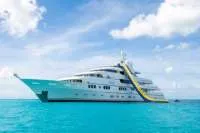
Fishing tourism supports far more than just angling and rod rental shops. Visitors also need to book transport, food, and accommodation. Depending on the trip, some may need to pay for boat hire, equipment, and guides. Even though guided expeditions, boat rentals, and nature excursions are primary drivers of the Canary Islands' tourism economy, a ripple effect can still be seen across different sectors.
As fishing excursions rise, so does the need for boat maintenance, tour guides, cleaners for hotel rooms, and even laundry services. These may not be directly linked to fishing; the impact of fishing tourism is widespread.
Protecting the environment is also now more of a central focus. Local habitats and fish populations across the area are being actively monitored. Healthy waters are the foundational element required to sustain this. In the Canary Islands, sustainable fishing tourism is a big focus, specifically under Law 15/2019 on Canary Islands Fishing. You can find more about the environmental aspects of fishing on the World Economic Forum website.
Points like this reinforce the fact that fishing tourism isn’t just good for the economy; if sustainable fishing is prioritised, it can also be good for the environment, which is essential to the future of the Canary Islands as a fishing destination.
Share: