
Over 6,000 tremors in 21 days: What’s really happening beneath Tenerife?
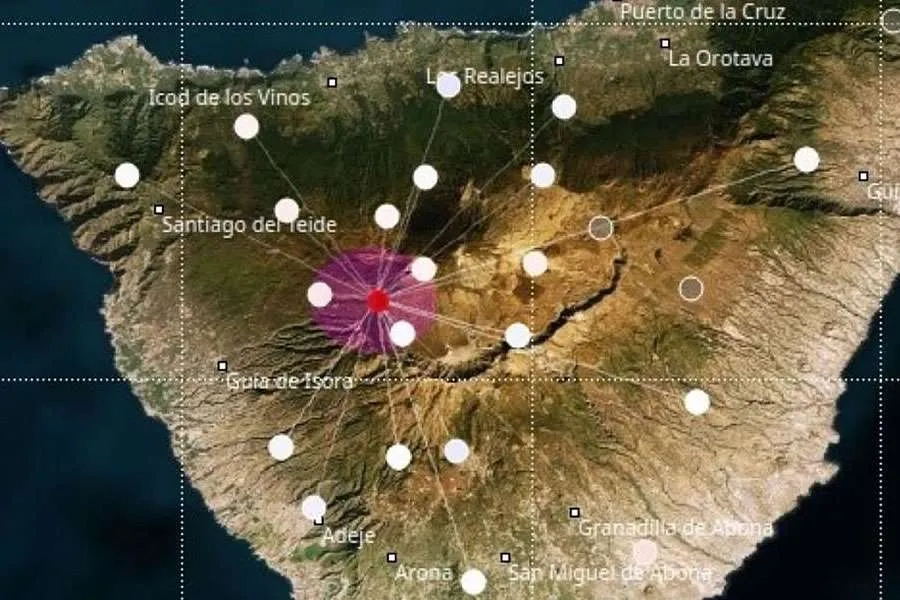
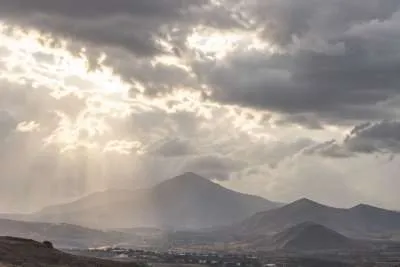
Tenerife is experiencing one of its most active seismic periods in recent years, with more than 6,000 minor tremors recorded in just 21 days. According to the National Geographic Institute (IGN), this marks the fifth seismic swarm detected in less than three weeks, all centred to the west of Las Cañadas del Teide at depths of around 8–10 kilometres.
Despite the large number of events, experts are urging calm. The director of the IGN in the Canary Islands, Itahiza Domínguez, explained after a coordination meeting with the Tenerife Cabildo and the island’s 31 councils that these tremors are extremely small, often so close together that sensors struggle to count them individually. Crucially, they are imperceptible to the public.
Domínguez clarified that the swarms consist of hybrid events, a type of “microseismic” activity linked to the movement of fluids such as gas or water, or to pressure adjustments inside the crust. Importantly, this does not indicate that magma is rising or that an eruption is imminent.
Low likelihood of an eruption
Experts continue to stress that the probability of a volcanic eruption in Tenerife remains low in the short and medium term. No ground deformation or other warning indicators have been observed. The island remains at green alert level, reflecting normal background activity for a volcanically active island.
As Domínguez noted, modern monitoring systems are so sensitive that they now detect tremors that would have gone completely unnoticed decades ago.
Coordinated communication to avoid alarm
The IGN and the island’s authorities have strengthened coordination to ensure consistent messaging and avoid unnecessary alarm. Local councils were briefed with up-to-date scientific information, and the Cabildo emphasised that the Canary Islands possess one of the most advanced volcanic monitoring networks in the world.
Monitoring of this latest swarm will continue, although the released energy remains very low and shows no sign of escalation.
Why Depth Matters in Volcanic Monitoring
Scientists pay close attention to depth because it helps them understand what process is happening underground:
- Shallow + increasing magnitude + ground deformation → could indicate magma pressurising the surface.
- Deep + tiny + numerous + no deformation → usually harmless internal readjustments, common on volcanic islands.
This is why the recent activity in Tenerife, although numerous, is not considered dangerous: the tremors are small, deep, and show no signs of magma approaching the surface.
Share: