
Gran Canaria Cabildo takes big step to speed up the Train Project for the island
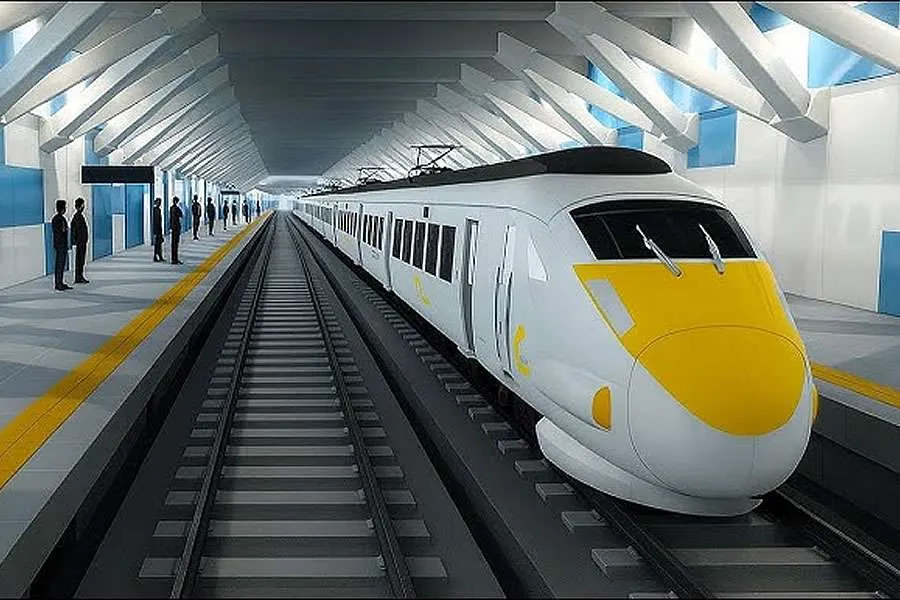
The Gran Canaria Cabildo has approved the purchase of a single share in the state-owned engineering company INECO as part of a move to accelerate the project for the long-awaited train on the island.
The decision, approved during Friday's council meeting, will allow the Cabildo to award key contracts directly to INECO without going through the standard public tender process, a move that has already attracted criticism from Spain's engineering industry.
The share has a nominal value of €125.01, although the Cabildo will pay €1,246.13 as part of a capital increase in the company.
Direct Role in the Train Project
By becoming a shareholder, the Cabildo will be able to use INECO as an in-house public contractor to manage several aspects of the railway project.
The company is expected to take responsibility for:
- Managing land expropriations.
- Preparing tender documents for the different phases of the project.
- Project management and technical supervision.
- Providing engineering support during construction.
Island officials say the arrangement will ensure technical continuity and make better use of INECO's extensive experience in railway infrastructure, helping to speed up one of Gran Canaria's most ambitious transport projects.
Key Appointments
The agreement appoints Teodoro Sosa, the Cabildo's Councillor for the Presidency and Sustainable Mobility, as the island's representative at INECO's General Shareholders' Meeting.
Meanwhile, Pablo Rodríguez, the Canary Islands Government's Minister for Public Works, Housing and Mobility, has been appointed to represent the Cabildo on the company's Board of Directors.
Cabildo President Antonio Morales said the move would strengthen the island's ability to deliver strategic infrastructure projects more efficiently through closer cooperation with specialised public organisations.
Following the Canary Islands Government's Lead
The decision mirrors one taken by the Canary Islands Government in February, when it also purchased a share in INECO to use the company as its delivery partner for the proposed railway projects on both Gran Canaria and Tenerife.
Until recently, INECO's shareholders consisted exclusively of national public bodies, including ENAIRE, ADIF and Renfe. The Gran Canaria Cabildo says its participation marks the first time an island council has joined the company's shareholder structure.
Engineering Industry Opposes the Move
The strategy has been strongly criticised by Spain's two main engineering associations, TECNIBERIA and CÍES, which argue that using INECO as an in-house contractor allows public authorities to bypass open and competitive procurement procedures.
The organisations say Spanish law only permits direct awards to public companies in exceptional circumstances, such as matters of national security, urgent situations or where there are no suitably qualified private companies available.
They argue that neither the Gran Canaria nor Tenerife railway projects meet those conditions, pointing out that private engineering firms have the expertise and capacity to carry out the work.
The associations have also warned that increasing the use of direct awards could reduce opportunities for private consultancies, distort competition and set a precedent that other regional governments could follow.
As an alternative, TECNIBERIA and CÍES have formally offered for their member companies to deliver the Canary Islands' railway programme through an open and transparent tendering process, which they argue would provide the best value for taxpayers while maintaining high technical standards.
Share: