
200 tonnes of wet wipes removed from sewers in south Tenerife
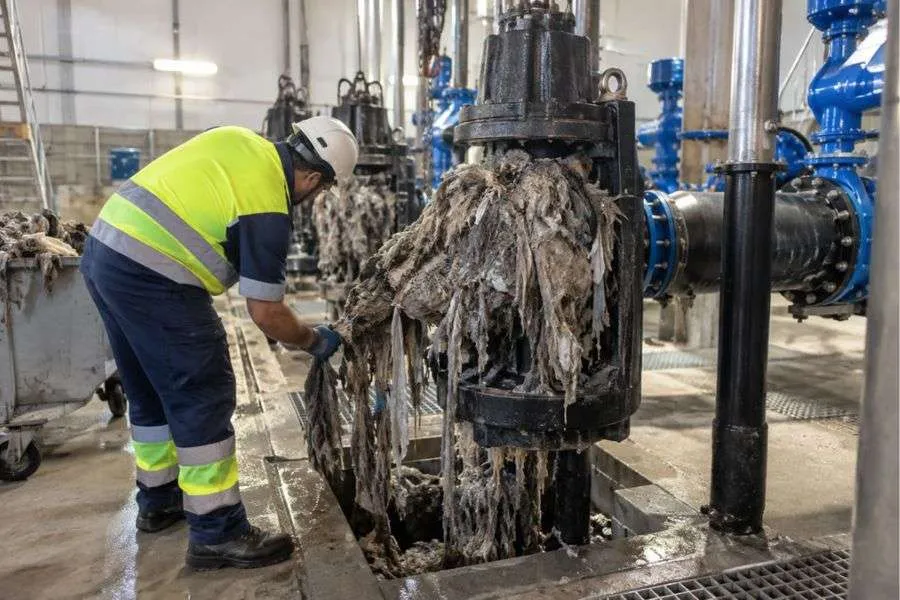
An extraordinary 200 tonnes of wet wipes have been removed from the sewage system in south Tenerife so far this year, prompting a renewed warning to residents and visitors not to flush them down the toilet.
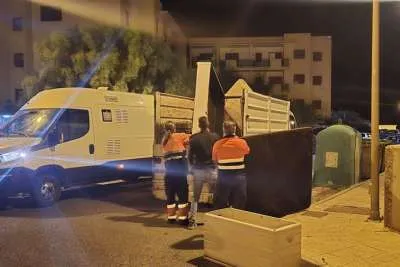
Water management company Entemanser says it has removed around 200,000 kilos of wipes from the 34 sewage pumping stations it operates across Adeje, Guía de Isora and Granadilla de Abona during 2026.
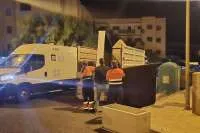
Workers have already spent more than 6,500 hours extracting wipes and other waste from the pumping stations this year.
The scale of the problem is particularly serious because these stations form a crucial part of the wastewater infrastructure serving some of the most populated and tourist-heavy areas in the south of Tenerife.
Entemanser says wet wipes should never enter the sewage network in the first place.
Unlike ordinary toilet paper, wipes do not readily disintegrate when they come into contact with water. Instead, they travel through the sewer network before becoming tangled around the moving parts of pumping equipment.
Over time, they can compact together, reduce the effectiveness of the pumps and ultimately block machinery that has been designed to move wastewater rather than solid rubbish.
Importantly, the warning also applies to wipes marketed as biodegradable.
When pumping equipment becomes partially obstructed, it has to work harder to move wastewater through the system, reducing efficiency and increasing electricity consumption at facilities that already operate around the clock.
If a pump becomes completely blocked, the consequences can become considerably more serious.
Wastewater can continue entering the pumping station while the equipment is unable to move it onwards, causing levels inside the pumping well to rise.
In the worst circumstances, that can result in wastewater overflowing or being discharged through emergency relief systems, potentially affecting the surrounding environment.
There are also financial consequences.
Entemanser says dealing with avoidable blockages requires staff hours and resources that could otherwise be spent maintaining, renewing and improving Tenerife's wastewater infrastructure.
The company works with the councils of Adeje, Guía de Isora and Granadilla de Abona to keep the 34 pumping stations operating and identify problems before they develop into more serious incidents involving service interruptions, unpleasant smells or wastewater discharges.
The issue is not restricted to wipes.
Residents are being reminded that cotton buds, sanitary products, condoms, cooking oil, hair and other household waste should also never be disposed of through the toilet.
The basic message is simple: only toilet paper should be flushed.
The possible environmental consequences are more than theoretical.
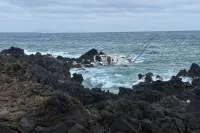
In November last year, Los Guanches beach in Candelaria was temporarily closed after wastewater reached the bathing area.
Aqualia said at the time that an obstruction in the sewage system had been associated with construction debris of undetermined origin, combined with accumulated wet wipes and other solid waste.
The blockage resulted in wastewater reaching the coast and the council temporarily restricting access to the beach as a precaution.
Entemanser is now urging households across the south of Tenerife to help prevent similar problems by changing what they dispose of through their toilets.
With 200 tonnes already removed in just the first months of 2026, the figures demonstrate the enormous cumulative impact that a seemingly harmless household habit can have on the island's sewage infrastructure.
Share: