
Express recovery trucks planned to cut motorway traffic jams
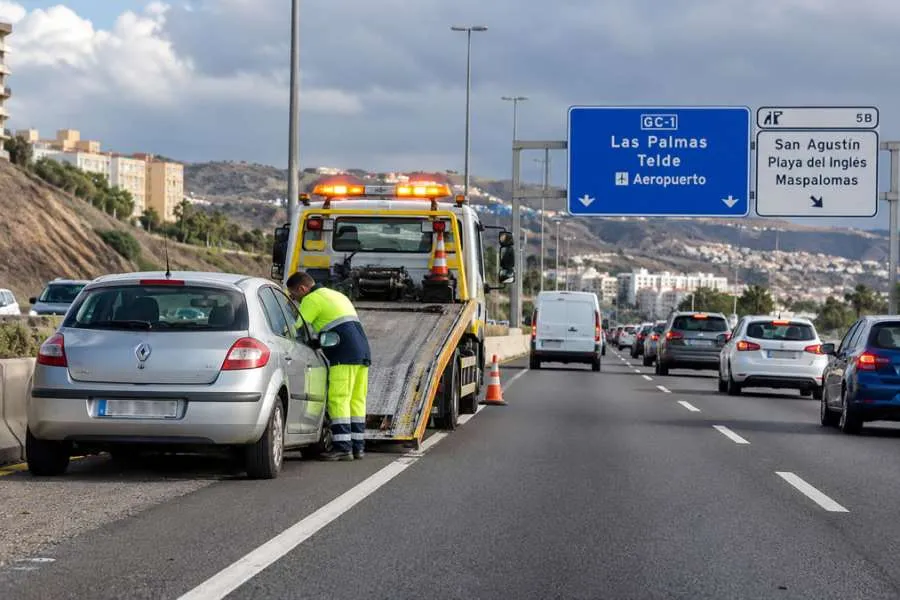
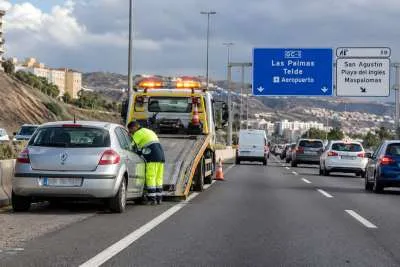
Plans are moving forward with for a new fleet of express recovery trucks in Gran Canaria designed to clear accidents and breakdowns from the GC-1 more quickly and reduce the huge traffic jams they can cause.
The proposed service would cover both the GC-1 and GC-3, two of the island's busiest roads, with recovery vehicles available to respond rapidly when a crashed or broken-down car, motorcycle or heavy vehicle is blocking traffic.
The Gran Canaria Cabildo took another step towards introducing the scheme on Friday when its plenary session approved measures allowing Sagulpa, the municipal mobility company in Las Palmas de Gran Canaria, to potentially operate the service.
However, the express recovery trucks will not begin operating immediately.
Before the scheme can start, further administrative and operational arrangements need to be completed, including an agreement with Spain's Directorate-General for Traffic (DGT) governing how the recovery vehicles will operate on the roads.
Clearing accidents before queues escalate
The principle behind the service is relatively simple: get vehicles involved in accidents or breakdowns off the carriageway as quickly as possible so lanes can reopen before long traffic jams form.
This is particularly important on the GC-1 through Telde and towards Gran Canaria Airport, where even relatively minor incidents can cause substantial disruption during busy periods.
A collision involving two vehicles near La Mareta on Tuesday afternoon, for example, caused long queues in the direction of Las Palmas, with congestion extending towards the airport.
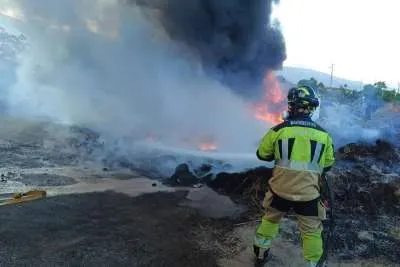
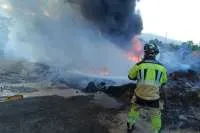
Another incident on Friday, when a truck caught fire on the GC-1 near Melenara, also affected traffic on the island's principal motorway.
The proposed express recovery service is intended to reduce the knock-on effect of incidents such as these by restoring the full capacity of the road more quickly.
GC-3 included in the plans
Although much of the focus has been on the GC-1, the planned service would also operate on the GC-3 Las Palmas bypass.
The Cabildo's objective is to have roadside assistance capable of responding to urgent incidents affecting the island's road network and minimise disruption to both passenger journeys and the movement of goods.
The next step involves completing the arrangements that would allow Sagulpa to provide the service on behalf of the Cabildo.
A protocol must also be agreed with the DGT before the express recovery system can become operational.
The initiative forms part of wider attempts to tackle congestion on the GC-1, including plans to improve capacity on some of the motorway's busiest access points.
Share: