
Spain declares migration emergency in the Canary Islands
Spain has declared a migration emergency in the Canary Islands and announced €15.18 million to increase capacity of reception centres and help transfer people between the islands and to the mainland.
The decision was taken at an emergency meeting in Madrid yesterday, Tuesday 10th November, following a steep rise in the number of boats arriving in the archipelago.
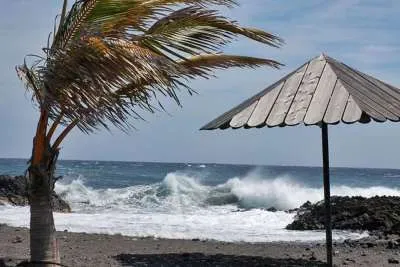
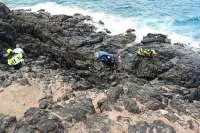
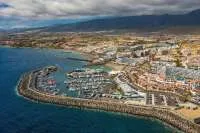
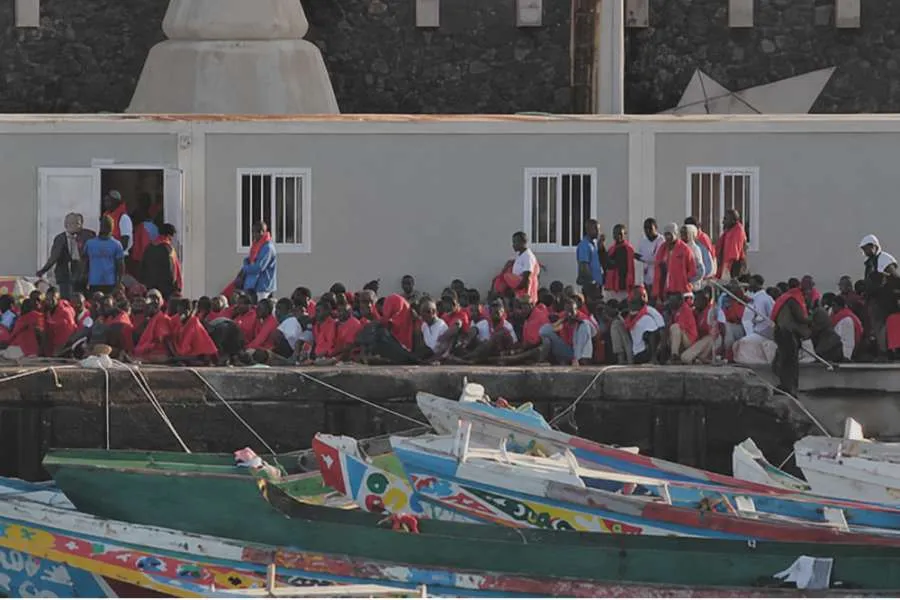
El Hierro has been particularly affected, with rescue teams, healthcare workers and reception services facing mounting pressure. The port of La Restinga has also struggled to cope with the number of boats arriving.
The government has pledged an additional €1 million to strengthen the healthcare and initial assistance provided by the Red Cross.
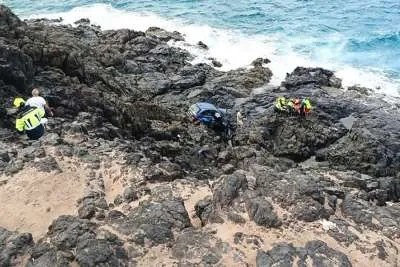
An extra maritime rescue vessel, the Guardamar Calíope, will join the operation, while additional staff will help process the relocation of unaccompanied migrant children.
What happens when boats arrive?
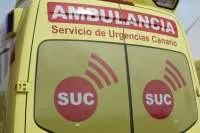
People intercepted or rescued at sea are brought to a port, where emergency teams and organisations such as the Red Cross provide an initial health check, food, water, dry clothing and other basic assistance. Anyone who needs urgent treatment can be taken to hospital.
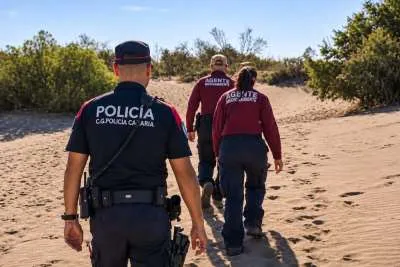
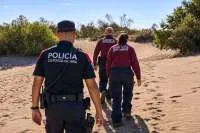
Police then identify and register those who have arrived, normally at a temporary reception centre. This can include taking fingerprints and checking their circumstances. They should have access to legal assistance and an interpreter, and can ask for asylum if they fear persecution or serious harm in their home country.
After registration, some adults who need support are offered temporary accommodation in the Canary Islands or transferred to reception centres elsewhere in Spain. The government’s new funding is intended to provide more places and help with transfers between islands and to the mainland.
Children arriving without a parent or responsible adult are referred to child protection services. Some are later transferred to the care of authorities in other parts of Spain.
What happens next?
There is no single outcome. Some people remain in the Canary Islands, while others move to mainland Spain. Depending on their circumstances, they may seek asylum, obtain permission to stay through another route, or eventually find work and settle. Permission to stay or work depends on the individual’s legal status.
Some people are returned to their country of origin, either voluntarily or following a return decision. Returns are not automatic: authorities must establish identity and nationality, complete the relevant legal process and consider any protection claim. A person cannot lawfully be returned to a place where they face persecution or serious harm.
Some people travel onwards to other European countries, but arrival in Spain does not automatically give them the right to live or work elsewhere in Europe. Their ability to do so depends on their documents, immigration status and the rules of the country concerned.
Share: