
Young people in the Canary Islands will receive free condoms from 2027
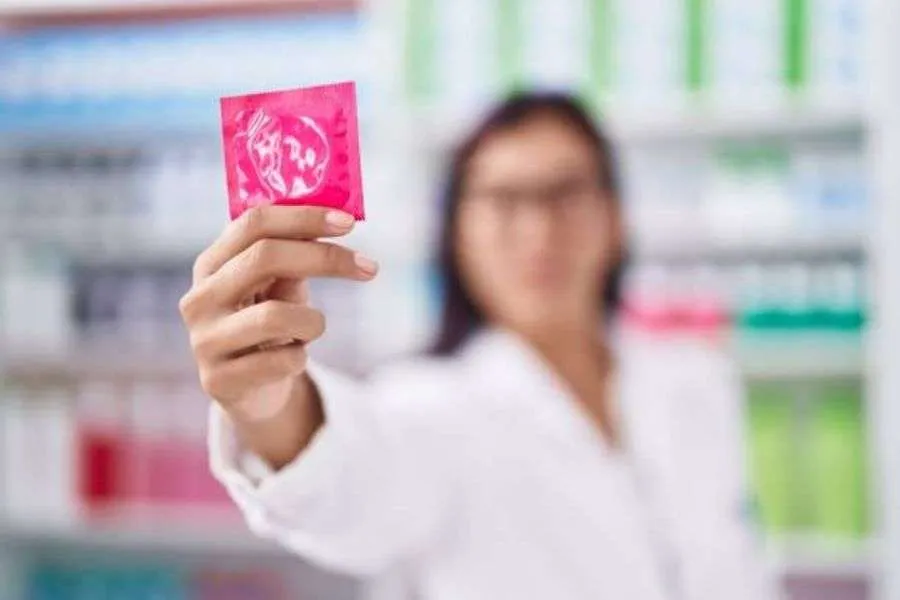
Spain’s Ministry of Health has announced plans to provide free condoms to young people aged between 16 and 22 through pharmacies from 2027, in an effort to tackle the growing number of sexually transmitted infections (STIs) across the country.
The scheme will allow eligible young people to collect condoms free of charge using their health card at participating pharmacies. Health officials say the aim is to ensure that access to protection does not depend on a person's financial situation and to encourage safer sexual practices among younger age groups.
The announcement comes as Spain continues to see a steady rise in infections such as chlamydia, gonorrhoea, syphilis and lymphogranuloma venereum. Health authorities are particularly concerned about declining condom use among young people, which specialists believe is contributing to the increase in cases.
According to official figures, Spain recorded more than 93,000 cases of these four monitored sexually transmitted infections in 2024. The data included 41,918 cases of chlamydia, 37,257 cases of gonorrhoea, 11,930 cases of syphilis and 1,996 cases of lymphogranuloma venereum.
Health experts have also highlighted concerns about the growing number of gonorrhoea infections and the increasing resistance of some strains to antibiotics. Young adults, particularly young men, remain among the most affected groups.
Pharmacies will play a key role in the new strategy, offering a convenient and discreet way for young people to access protection. The government hopes this will remove cost barriers and make condom use a more normal part of everyday sexual health.
Alongside the free condom programme, the Ministry of Health plans to introduce self-testing kits that will allow people to provide samples for STI screening without first needing to visit a doctor. The move is intended to help identify infections earlier, especially as many STIs can develop without obvious symptoms.
The initiative forms part of a wider national strategy to reduce the spread of HIV and other sexually transmitted infections. The government has allocated more than €9 million to the programme, which also includes public awareness campaigns, improved access to testing, professional training and efforts to reduce the stigma surrounding sexual health.
Health officials stress that while free condoms alone will not solve the problem, making protection easier to access is an important step. They also pointed out the need for better sexual health education and clearer information to help young people make informed decisions.
Share: