
Shipping Goods to and from the Canary Islands
The Canary Islands are home to one of Europe’s most international communities, with large British and German contingents living alongside residents from across the continent. Life on the islands means depending on freight for almost everything, from the stock in the shops to a family’s belongings after a move.
Whether you are relocating, running a small import business or simply sending goods to relatives abroad, understanding how international shipping works saves money and stress. This guide covers the main options, what they cost, and the paperwork that trips people up.
Why Freight Matters More on the Islands
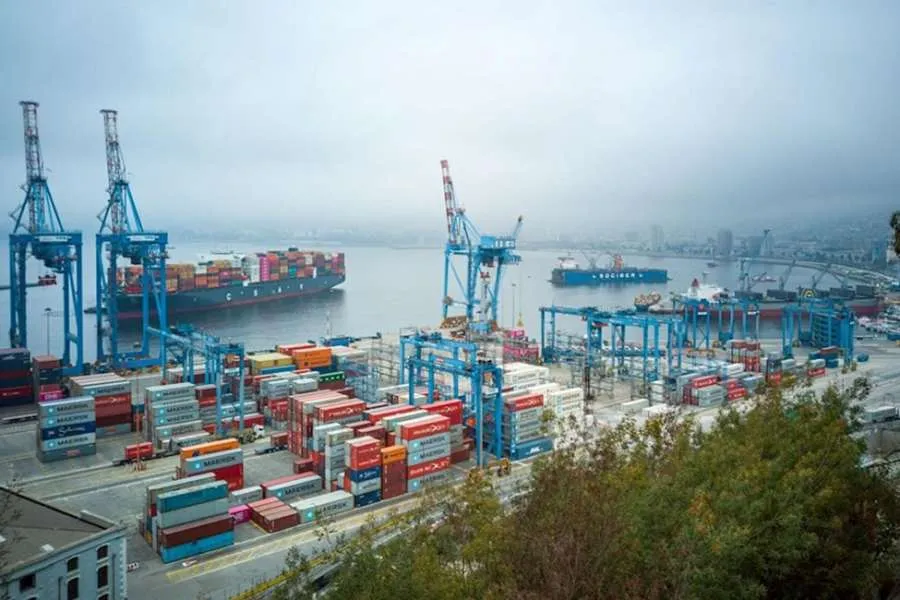
Everything here arrives by sea or air, a fact easy to forget on a sunny terrace but central to daily life. For the islands’ expats, shipping is rarely a one-off: a move from northern Europe, a container of stock for a shop, or a shipment of belongings back to the mainland all rely on the same networks.
The distances involved make planning worthwhile, because the wrong choice can double a bill or add weeks to a delivery. A little knowledge goes a long way when the nearest port is a ferry ride from the mainland.
The Two Main Ways Goods Move
Two methods carry almost all international freight: sea and air. Sea handles the heavy and the bulky in shipping containers, while air suits the urgent and the light. The right mix depends on distance, budget and how soon the goods are needed. Long-haul corridors all work in much the same way. A route such as shipping from Germany to Egypt, for instance, combines ocean or road freight with customs clearance at both ends, the same logic that governs a shipment heading to Tenerife or Gran Canaria.
What It Costs, and How Long It Takes
Cost and speed pull in opposite directions. Sea freight is priced by volume, with a shared container load, known as groupage, running far cheaper than a full 20- or 40-foot container of roughly 33 or 67 cubic metres. Air freight is priced by chargeable weight and can cost 3 to 5 times as much per kilo.
On timing, a container move across Europe or into North Africa often takes 2 to 4 weeks door to door, while air freight can cut that to 3 to 7 days. Most people send urgent essentials by air and let the bulk follow by sea.
Customs and the Canaries’ Special Status
Paperwork is where shipments stall. The archipelago sits inside Spain and the EU, yet it lies outside the EU VAT area and applies its own indirect tax, the IGIC, instead of mainland VAT. That means goods reaching the islands, even from mainland Spain, pass through a customs process and may attract IGIC at rates that are generally lower than Spanish VAT.
Accurate invoices, a clear inventory and the right tariff codes keep a shipment moving, so it pays to work with a company that knows the islands’ rules rather than treating them like any other Spanish region.
Choosing a Shipping Company
The right partner turns a daunting job into a routine one. Compare at least 3 quotes on a full door-to-door basis rather than port to port, since the local delivery legs at the island end can add up. Check what the marine insurance covers, whether packing is included, and how the company handles customs and IGIC at the Canary end. Read recent reviews from other island residents, and favour a mover who explains the process clearly before taking any payment.
Making the Move Simpler
Shipping to and from the Canaries need not be the headache it first appears. Decide early what travels by air and what goes by sea, prepare the documents customs and the IGIC system will want, and choose a company that handles the whole journey rather than a single leg. Get those three things right, and moving goods across borders becomes just another part of island life rather than the part you dread.
Share: