
Planning a quiet island travel film with Seedance 3.0
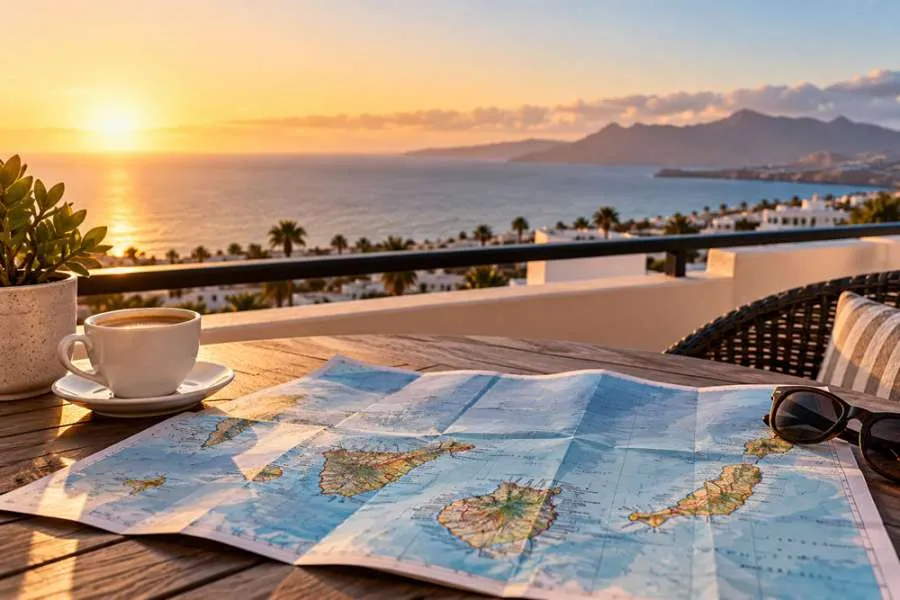
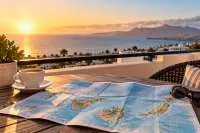
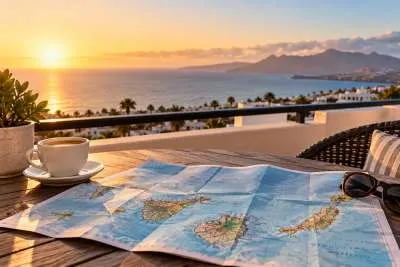
A folded map rests on a terrace table as the morning light reaches its edge. Beyond the railing, the sea is still a soft strip of colour. For a travel filmmaker planning a Canary Islands project, I would start with this intimate moment rather than an aerial panorama.
The proposed film follows a traveller deciding where to begin the day, with a short sequence that moves from a table to an open coastal view.
This would be a concept film made before a location shoot. My materials would include photographs supplied by the project team, a brief movement reference, a sketch of the terrace composition and an original ambient audio passage.
I would keep the imagined sequence separate from factual travel advice. A generated view can help explore a mood, but it cannot establish what a particular terrace, path or hotel actually looks like.
In that planning role, seedance 3.0 gives text, image, video and audio references a shared place in video generation. Its text-to-video, image-to-video and reference-based modes can help turn a written scene into moving material. The interesting question for this project is how a camera could leave the map and reveal the horizon without making the moment feel hurried. The output is a video concept for discussing that movement.
Begin with a traveller’s point of view
I would place the camera at table height, close enough to notice the map’s fold and the shadow of a glass. The horizon would initially remain out of focus or beyond the frame. Starting with a small detail gives the later view a purpose: it is something the traveller is about to encounter. A wide landscape at the beginning might be attractive, but it would remove that sense of anticipation.
The map should be an ordinary prop rather than an authoritative route guide. I would keep its lettering out of focus and add any real itinerary information separately in the final edit. If the film eventually mentions a named walk or viewpoint, the production team should verify those details using appropriate current sources. In the concept sequence, the map represents a decision, not a promise about access, distance or conditions.
My reference photograph for the terrace would favour a simple railing, a neutral table and light coming from one side. A photograph crowded with chairs, signs and passing people could make the intended movement harder to assess. The purpose of this first draft is to find the relationship between the foreground and horizon. Once that relationship feels right, the real shoot can supply the particulars of the chosen location.
Move from the table to the view
The Seedance 3.0 shot brief would describe a slow rise and slight forward movement, beginning at the folded map and ending with the sea beyond the railing. The map remains on the table, the glass stays still, and a light breeze shifts only the corner of a loose page. I would ask for a single continuous reveal, avoiding a sudden change of location halfway through the shot.
For the camera reference in Seedance 3.0, I would record a simple movement from a tabletop toward a window. It need not be filmed on an island; it only needs to demonstrate height, pace and stopping point. The terrace image would guide the setting, while the motion clip would guide the movement. Naming those roles in the prompt helps make clear which aspects of each source belong in the proposed video.
The audio reference could contain a low wash of sea ambience and a restrained musical note. I would choose material cleared for the project and use it to indicate atmosphere, not to manufacture a claim that a specific sound was recorded at a specific place. The movement should feel unforced. If the music asks for a dramatic reveal, I would reconsider the music before turning a quiet morning scene into an action trailer.
Watch for the wrong kind of spectacle
A first draft might lift the camera too high, turning the terrace scene into an impossible flight over the sea. My revised Seedance 3.0 brief would put a clear limit on height and travel: rise only enough to clear the tabletop, remain behind the railing, and stop with the horizon visible. The viewer should feel like a person looking up from a map, not a drone leaving a hotel roof.
Seedance 3.0 would then be generating a more narrowly defined movement. I would compare the versions by watching the railing and table edge. Do they remain stable as the camera rises? Does the horizon appear gradually? Is the page movement small enough to feel secondary? These are concrete decisions about the shot, and they provide better revision instructions than asking vaguely for a more realistic island atmosphere.
If the foreground becomes visually busy, I would remove the glass and keep only the map. If the map unfolds into an unreadable tangle, I would make it a closed notebook instead. The story needs an object that suggests planning; it does not depend on one particular prop. Simplifying the scene protects the intended feeling while reducing the number of details that can compete with the reveal.
Give the next shot a different scale
The following shot could show a traveller’s bag beside the terrace door, ready to leave. I would keep the same morning light and introduce one deliberate action: a hand lifts the bag out of frame. This makes the sequence progress from considering the day to beginning it. A cut directly from the map to a mountain summit would skip that human connection and risk making the itinerary feel arbitrary.
For this second Seedance 3.0 scene, the bag photograph would establish its shape and colour. A short action reference could clarify how it is lifted. I would frame the hand and bag closely enough to avoid inventing an unnecessary character performance. The scene is about departure, so a simple movement past the door can do more than a full view of someone walking through an elaborate room.
Matching the two shots would involve the direction of light and the pace of action. If the first shot is calm but the bag is snatched quickly, I would slow the second action. If the colours feel unrelated, I would return to the reference selection. The transition should suggest the same morning without relying on a heavy colour treatment to hide mismatched source material.
Use the concept to improve the real production
I would show the assembled concept to the filmmaker as a discussion piece. The useful questions are about camera height, prop placement and the point at which the view is revealed. It could help decide whether the actual location needs a low table, a clear railing or room for a small camera move. The generated video does not establish that any particular location can accommodate the shot; that remains part of practical scouting.
If the final concept needs a slightly longer horizon hold, Seedance 3.0 video extension could be explored with an instruction to continue the existing view quietly. I would avoid introducing boats, wildlife or changing weather simply to fill time. A hold should let the viewer absorb the image that has already been earned. New activity would ask them to begin reading another scene just as this one settles.
For a public release, I would distinguish clearly between concept imagery and footage captured on location. The project’s real destination names, opening details and travel information belong in an independently checked edit. This is especially important for a film that may influence someone’s expectations of a place. The creative freedom of a generated sequence is most useful when its purpose is understood.
My finished Seedance 3.0 concept would be a modest piece of video: a map, a rising view, a bag leaving the doorway. Its value is that the filmmaker can see and discuss a specific opening before arranging the shoot. The island is introduced through a person’s anticipation, and the camera earns its view by beginning with something small enough to touch.
Share: