
VIDEO: Guardia Civil dismantles major drug network in Tenerife
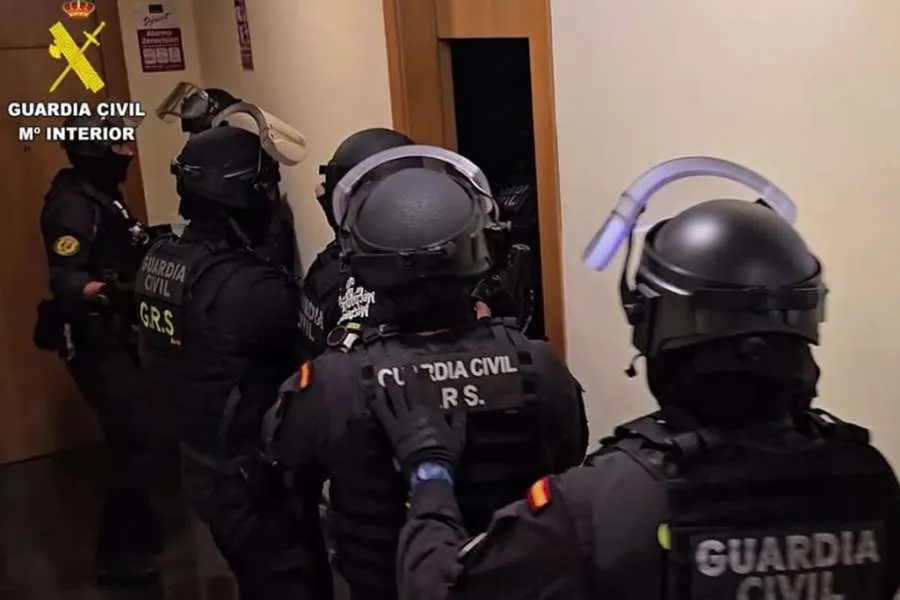
A major drug trafficking and illegal weapons network operating in Tenerife has been completely dismantled following a large-scale operation led by the Guardia Civil, according to reports by the Spanish authorities.
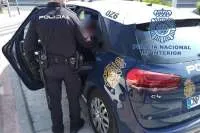
The investigation, known as Operation Embarcadero, involved joint operations between Guardia Civil units in Tenerife and Seville and has resulted in four new arrests, with a fifth suspect formally charged while already serving time in prison in mainland Spain.
Authorities say the criminal organisation was one of the largest drug distribution and black-market weapons operations uncovered in the Canary Islands in recent months.
Luxury cars, cash and weapons seized
Investigators carried out four simultaneous property raids — three in Tenerife and one in Seville — uncovering what officials described as a sophisticated criminal network funded through large-scale cocaine trafficking.
During the searches, officers seized:
- Large amounts of cash
- Luxury watches and jewellery
- High-end vehicles
- Financial documents
- Electronic devices
- Performance-enhancing substances
- Extendable batons
- Taser-style electric weapons
Authorities say the assets reflected the “lavish lifestyle” maintained by the group through profits generated from drug trafficking activities.
Among those arrested was the alleged second-in-command of the organisation, considered a key figure in attempts to reorganise distribution after earlier arrests linked to the case.
A judge has ordered three of the latest detainees to remain in custody without bail pending further investigation.
Weekly cocaine shipments to Tenerife
The origins of the investigation date back to November 2025, when the first phase of the operation led to seven arrests and the discovery of an illegal weapons workshop capable of converting blank-firing and modified firearms into live weapons.
The workshop reportedly even contained a soundproof testing area for firearms.
However, investigators say the real financial engine behind the network was large-scale cocaine trafficking between mainland Spain and the Canary Islands. According to Guardia Civil findings, the organisation was allegedly transporting more than 50 kilos of high-purity cocaine every week using ordinary parcel delivery companies.
Shipments were reportedly sent from warehouses in Seville and Madrid directly to Tenerife, where the drugs were quickly distributed across the island.
Stolen identities used to avoid detection
Investigators say the group used stolen national identity documents belonging to unrelated citizens in order to disguise shipments and avoid detection by customs and police controls.
The fake identities were allegedly used on delivery paperwork and transport invoices to make tracing the packages more difficult.
Authorities estimate the network may have successfully smuggled more than 1,000 kilos of cocaine into the Canary Islands in less than ten months before the operation brought the organisation down completely.
The investigation remains ongoing and further arrests have not been ruled out.
Share: