
Tourists, Tapas and Late Kick-Offs: How the Canaries will watch the World Cup 2026
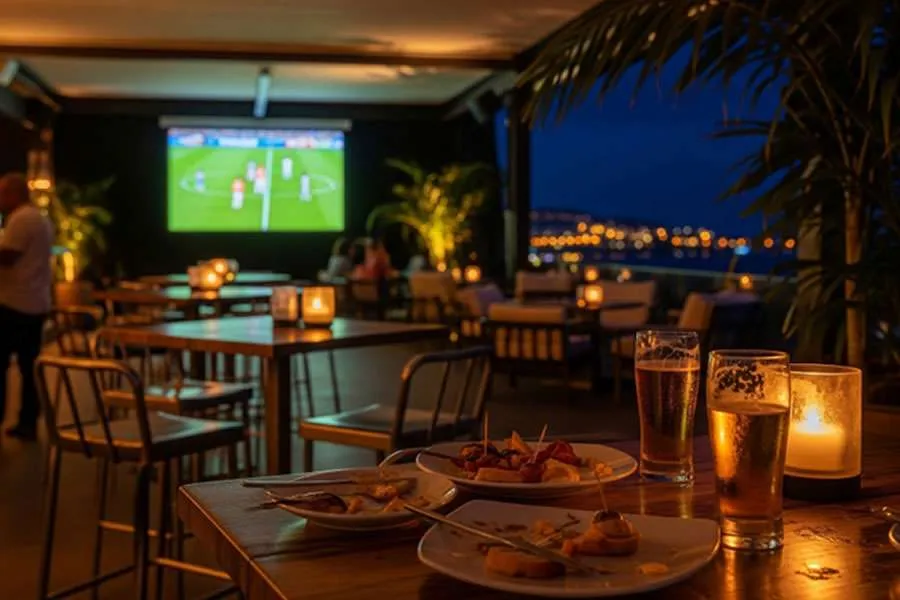
The Canary Islands will watch World Cup 2026 on a different clock from the teams in North America. Mexico vs South Africa opens the tournament on June 11th at Mexico City Stadium, and the final is set for July 19th at New York New Jersey Stadium, but the islands will turn those fixtures into terrace nights, hotel-bar bookings, and early-morning compromises.
The Canary Islands Tourism Observatory reports that 18.4 million tourists visited the archipelago in 2025, so the audience will not be a single crowd. It will be locals in Las Palmas, British families in Tenerife, German groups in Fuerteventura, bar staff checking kick-off times, and visitors asking whether the kitchen still serves after the second match.
The Atlantic Clock Changes the Routine
The opening match will not be a neat terrace slot in the Canaries. Mexico vs South Africa kicks off at 7:00pm in Mexico City, which means 2:00am the next morning in Tenerife, Gran Canaria, Lanzarote, and Fuerteventura. Fixtures in Canada and the western United States will push some games deep into the night, especially for supporters trying to follow two teams across group play.
A hotel bar in Costa Adeje can handle an 8:00pm start with tapas, beer, and a full terrace; a 2:00am kick-off asks a different question of staff, licensing, taxis, and noise. That gap will shape where people watch as much as form tables or FIFA rankings do.
Betting Windows Shrink Between Plates
World Cup betting in the Canaries will sit between service rhythms rather than inside a quiet living room. A visitor watching a late group match may check confirmed lineups, cards markets, and total goals while a waitperson clears the second round of papas arrugadas. For those already following markets on a phone, Melbet Kenya Official can sit alongside live score apps and team news, but the basic, useful habit is still the same: check the starting XI, read the bench, and avoid chasing a price after one early shot.
The islands will produce plenty of noisy scorelines on terrace screens, yet the serious bettor will care more about substitutions, rest defence, and whether a fullback keeps getting isolated. One red card ruins the whole bet slip.
Tenerife Will Sell the Big Screen First
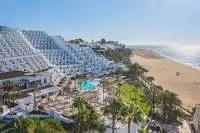
Tenerife usually gets the first move because it has the island’s strongest resort machinery and a long history of matching sport to tourism. In Playa de las Américas or Los Cristianos, a bar that already handles Premier League Saturday traffic can switch to World Cup mode by changing its chalkboards, sound zones, and food service times.
The small observation here is operational, not romantic: staff will need one screen for the England game, another for Spain, and a corner television for a smaller group that refuses to miss a 90th-minute corner between two teams outside the usual tourist market. The good bars will write the next day’s fixtures before closing, because no one wants to explain a 5:00am Vancouver match twice.
Gran Canaria Has the Local Game in View
Gran Canaria will not view the World Cup 2026 solely as a tourism product. Las Palmas has its own football pulse, and UD Las Palmas supporters know the difference between a team that holds possession and one that merely passes sideways.
That makes the best viewing rooms more demanding: fans will notice when a midfield three stops receiving on the half-turn or when a winger keeps arriving too late at the back post. A bettor using Melbet Kenya Official during a knockout match should treat that same detail as the starting point, because odds movement after the 60th minute often reflects fatigue, set-piece pressure, and how managers use the fifth substitution. The bar may be loud, but the match will still turn on small patterns.
Hotels Will Learn the Fixture List
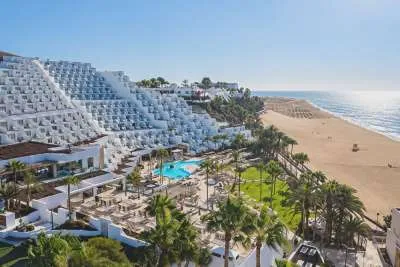
Hotels across Tenerife, Gran Canaria, Lanzarote, and Fuerteventura will have a simple problem from June 11th to July 19th: guests will ask for matches before they ask for restaurant recommendations. FIFA’s official schedule runs to 104 games across 16 host cities, and that is too much for casual staff to fake from memory.
Reception desks will need printed fixture sheets, bar managers will need audio rules, and breakfast teams will hear about extra-time finishes from guests who stayed up through penalties. The sharp places will pair late games with quieter service rather than pretending every World Cup night looks like a Saturday derby.
The Better Nights Will Stay Low-Key
The islands do not need to manufacture atmosphere; they only need to manage it. A tight Spain match will fill a terrace in Las Palmas, an England knockout game will pack the tourist strips, and a late South American fixture may leave a smaller group still watching after most diners have gone back to their apartments.
That is often the better football room: six shirts from three countries, one bartender following the stoppage-time board, and a screen bright enough to hold the corner of the night. The final on July 19th will be bigger, but the tournament’s texture will come from those uneven hours.
Share: