
Only 1% of Marine Life around the Canary Islands is being strictly protected
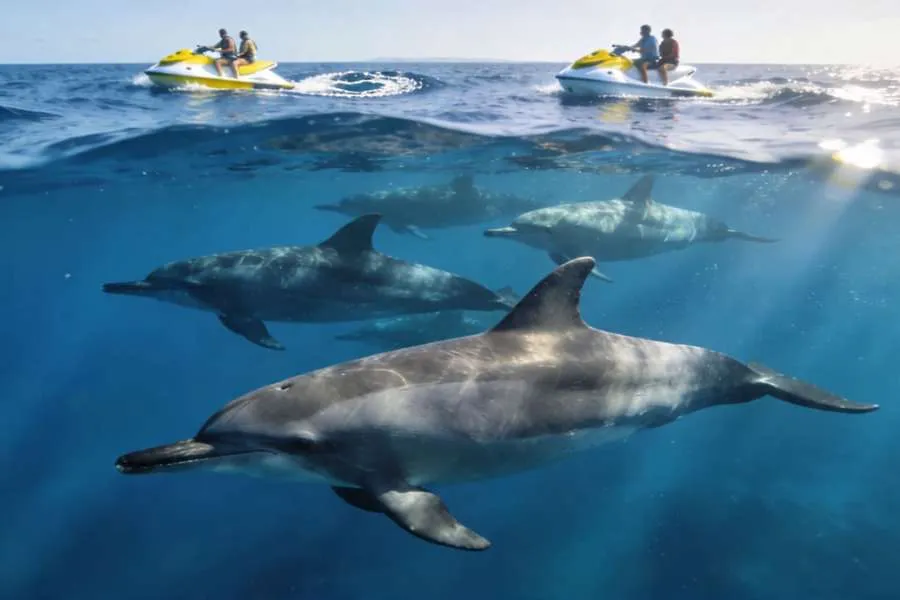
A new scientific report just released has revealed significant gaps in the real protection and active management of the Canary Islands’ marine life and the ocean environment, despite a steady increase in the area of legally protected waters.
The study, State of Marine Protected Areas in the Canary Islands 2026, finds that while 21.7% of Canary waters are officially protected, only 11% benefit from active management, and less than 1% is under strict protection, highlighting serious shortcomings in governance and conservation effectiveness.
Protection on paper vs reality
The report marks the first comprehensive assessment of how well Marine Protected Areas (MPAs) are actually working across the archipelago. It was carried out under the MPAs Canary Islands project using the internationally recognised MPA Guide methodology developed by the International Union for Conservation of Nature.
Researchers found that although the total protected area has expanded, many zones lack proper regulation, monitoring and enforcement, creating a gap between legal designation and real-world impact.
Lead researcher Eva Meyers stressed that simply increasing protected areas is not enough without effective management and ongoing evaluation.
Growing pressure on marine life
The findings also highlight increasing threats to marine ecosystems, including:
- Coastal development
- Pollution
- Overfishing
- Invasive species
- Intensive tourism
The Canary Islands are recognised as a marine biodiversity hotspot in the north-east Atlantic, home to:
- Around 30 species of cetaceans
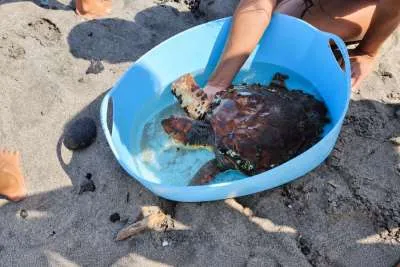
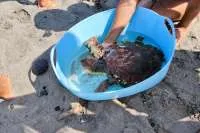
- Five species of sea turtles
- The world’s main refuge for the critically endangered angel shark
At the same time, the region has recorded 76 non-native marine species, the highest number in the area.
Plans for expansion
Proposals to strengthen protection include new projects such as:
- A future marine national park in the Mar de Las Calmas (El Hierro)
- The planned Guguy National Park in Gran Canaria
Race to meet 2030 targets
The European Union has set a goal to protect 30% of the ocean by 2030, with at least 10% under strict protection, a target in which Spain and the Canary Islands are expected to play a key role.
The report highlights uneven levels of protection across different MPAs, reflecting inconsistencies in how they are managed and regulated. It calls for stronger governance, better monitoring systems, and improved coordination.
A roadmap for change
In response, the MPAs Canary Islands project and its expert committee have developed a strategic roadmap aimed at strengthening the network of protected areas.
This includes:
- Improving ecological connectivity between sites
- Integrating environmental, social and economic priorities
- Promoting cooperation across the wider Macaronesian region, including the Azores, Madeira, Cape Verde, Morocco and Mauritania
The ultimate goal is to build a more coherent, resilient and effective network of marine protected areas across the central eastern Atlantic.
Share: