
From beach walks to screen time: How expats spend their evenings in the Canaries
For many expats who settle in the Canary Islands, the transition from the working world to evening leisure rarely looks like what they imagined back home.
The Atlantic air is warmer, the pace is slower, and the light lingers well past dinner. Yet how do people actually fill those hours — and what does a typical expat evening in Tenerife, Gran Canaria, or Lanzarote really look like?
Where the Day Ends and the Evening Begins
The Canaries sit in a curious time zone limbo. Officially aligned with the UK but geographically closer to Morocco, the islands receive daylight long into the evening during summer. For expats, particularly Britons, Germans, and Scandinavians, this changes everything about how evening routines form.
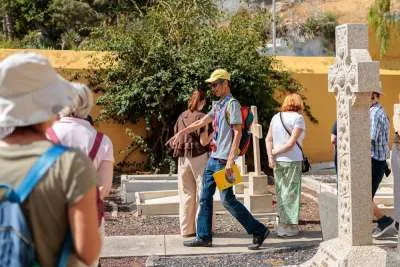
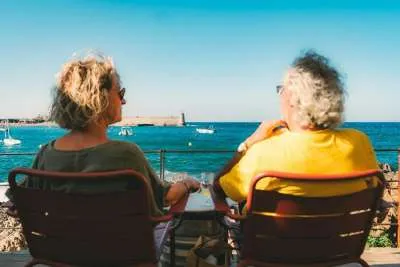
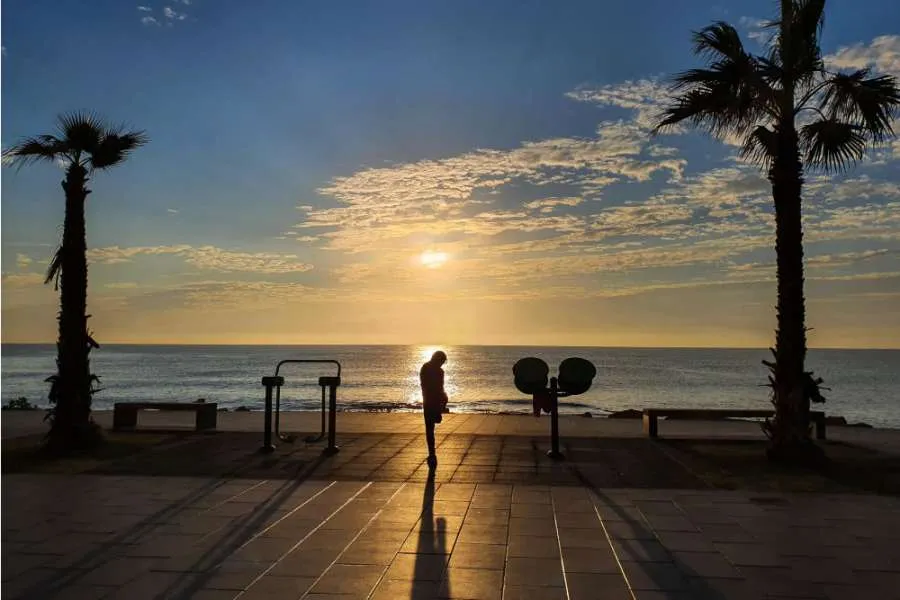
Many start with a coastal walk. The seafront promenades in Las Palmas, Puerto de la Cruz, and Arrecife are not just scenic routes; they are social institutions. Retired couples, young families, and solo wanderers share the same paved paths along the shore, often stopping at small kiosks or bars for a cold Dorada or a glass of local wine. These walks rarely feel rushed, and for good reason — the goal is rarely to exercise. It is a transition.
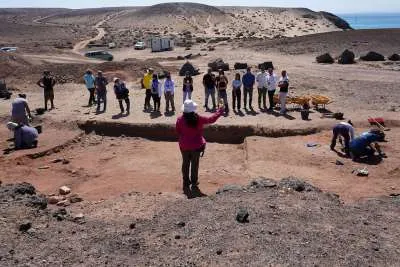
According to community coverage from Canarian Weekly, expat social life in the islands tends to cluster around early evenings, with organised group walks, pub quizzes, and community dinners being among the most popular recurring activities.
The Social Infrastructure of Expat Life
What strikes newcomers is how organised the informal social scene actually is. Book clubs meet in private homes in Maspalomas. Facebook groups coordinate weekly beach clean-ups followed by sundowners at a local chiringuito. WhatsApp threads fill up with invitations to quiz nights or impromptu barbecues on communal terraces.
Evening activities expats commonly engage in across the Canarian islands include:
- Coastal and nature walks along the promenades and volcanic trails, especially after sunset when temperatures drop
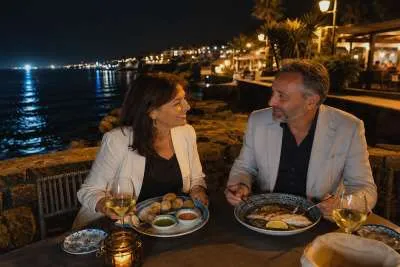
- Local dining and tapas culture — learning to eat late, Spanish-style, and discovering neighbourhood bars away from tourist strips
- Language exchange meetups in city cafes, where expats practise Spanish and locals practise English
- Community events and cultural nights, including live music, film screenings, and markets, are organised by expat associations
- Hobby groups ranging from photography clubs to yoga on the beach are often listed through local expat directories
- Home-based leisure, including streaming, reading, video calls with family back home, and online gaming
That last category has grown noticeably, particularly among younger expats and those who relocated during and after the pandemic. Home life in a warm climate sounds idyllic, but evenings alone can still be long, especially in the early months of relocation.
When the Beach is Behind You: Home Evenings in the Islands
Not every evening ends at a terrace bar. Many expats, especially those who work remotely during the day, find themselves at home by nine, looking for something relaxed and engaging. Streaming services are an obvious go-to, but a growing number of people are turning to online gaming and casual real-money entertainment as a social supplement rather than a replacement for real-world contact.
This is particularly noticeable among smaller expat subgroups, including Australians in Gran Canaria and Tenerife. Many continue following Australian sport, keeping up with domestic news, and, notably, playing online pokies in Australia-regulated formats through local-access sites. For this group, it is partly cultural familiarity and partly practicality. Resources like PokiesGambler help Australians navigate which platforms are accessible and worth their time — something that matters more when you are living abroad and cannot rely on local word of mouth.
The site has built a presence on Trustpilot, where users leave reviews about their experience, making it easier for expats to gauge reliability before committing to a platform from the other side of the world.
Rhythm Over Routine
What makes Canarian evenings different from evenings back in northern Europe or Australia is not just the weather. It is the rhythm. The islands operate on a Mediterranean logic that resists strict scheduling. Dinner at ten is not unusual. A spontaneous decision to drive to the other side of the island for a night swim is not eccentric — it is normal.
This rhythm shapes how expats engage with leisure. Rather than pre-planning a packed social calendar, most long-term residents describe falling into a loose weekly pattern that mixes outdoor activity with quiet home evenings. As Canarian Weekly has noted in several features on expat wellbeing, the adjustment to island time is one of the most frequently cited positive changes expats experience — even among those who initially found it disorienting.
Finding Balance in an Island Setting
Evenings in the Canaries have a way of sorting themselves out. In the first weeks, expats often overplan — trying to fill every sunset with meaning. Within months, most find that the setting itself does the work. The ocean is always there. The temperature rarely demands anything dramatic. The community, fragmented, informal, and international, tends to show up when you least expect it.
So how do expats actually spend their evenings in the Canaries? The honest answer is: a mixture of all of the above, shifting week by week. Some evenings are social and outward-facing — walks, meals, pub quizzes. Others are quiet and private — a screen, a game, a video call. The islands do not impose a particular version of evening life. They simply make it easier to enjoy whichever version you choose.
Share: