
Caribbean Real Estate Market in 2026: Trends, Opportunities, and Strategies for Investors
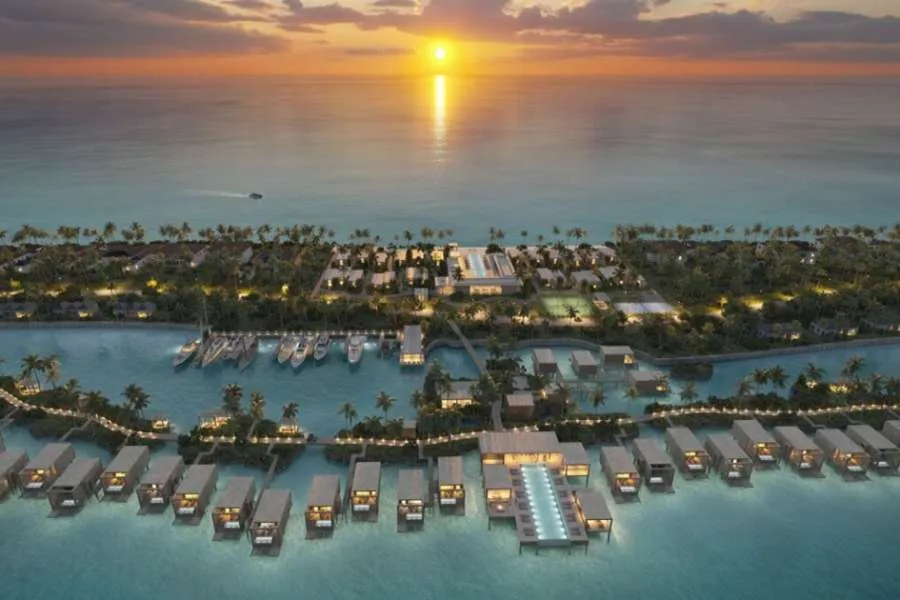
By 2026, the residential real estate market in the Caribbean has reached $1.87 trillion. The region has firmly established itself as one of the most dynamic destinations for investment.
Demand is growing particularly fast in the premium segment, while sustainable and eco-friendly developments are becoming the new standard. Below, we review the current state of the Caribbean real estate market and compare key investment destinations.
KEY TRENDS IN THE CARIBBEAN REAL ESTATE MARKET IN 2026
Prime locations across the islands are becoming more expensive, yet there are still markets with lower entry prices and strong growth potential. This attracts investors looking for a balance between affordability and returns.
Antigua and Barbuda
Foreign transactions through the citizenship by investment program continue to grow. Average rental yields are around 4% annually, with higher returns in resort areas such as English Harbour, Jolly Harbour, and St. John’s, driven by demand for short-term rentals.
Grenada
Grenada remains one of the most stable and in-demand destinations in the region. Foreign transaction volumes under the CIP program remain steady. Average rental yields for premium properties are around 4–6% annually. Moderate price growth is observed in popular areas such as Grand Anse Beach, Lance aux Épines, and St. George’s. The IMF forecasts GDP growth of 3.9% in 2026.
Dominica
In 2026, Dominica continues to rank among global leaders in reliability, transparency, and efficiency of its citizenship process (CBI Index). Its investment program remains one of the most affordable in the region. Foreign transaction volumes remain high. Rental yields for premium properties average 4–5% annually, depending on location and property type. Key areas include Portsmouth, Soufrière, and Roseau. The IMF forecasts GDP growth of 4.2% in 2026.
Saint Lucia
In Saint Lucia, the citizenship by investment program remains a key driver of economic development. Average rental yields for premium properties are around 4.5% annually. Price growth is observed in Rodney Bay, Soufrière, and Marigot Bay. The IMF projects GDP growth of 2.4% in 2026.
WHY DEMAND FOR SUSTAINABLE AND ECO-FRIENDLY PROPERTIES IS GROWING
Sustainable housing is becoming the new standard in the Caribbean premium market. Buyers increasingly choose villas with solar panels and energy-efficient systems, while governments actively support renewable energy initiatives. This drives property value growth while reducing operating costs. Premium buyers are prioritising low-impact living — a lifestyle with minimal environmental impact.
HOW TO OBTAIN CARIBBEAN CITIZENSHIP THROUGH REAL ESTATE INVESTMENT IN 2026
In most Eastern Caribbean countries, a second passport by investment can be obtained by purchasing approved real estate or a share in a development project. Minimum investments start from $200,000, with processing times of 4–6 months.
Property resale is allowed:
- after 3 years in Dominica;
- after 5 years in Antigua and Barbuda, Grenada, and Saint Lucia.
When reselling, investors must pay stamp duty, which varies depending on the country and the seller’s status.
WHERE PROGRAMS OPERATE AND UNDER WHAT CONDITIONS
|
Country |
Min. Investment (1 applicant) |
Processing Time |
Visa-Free Countries |
Family Inclusion |
Unique Feature |
Resale |
|
Antigua and Barbuda |
$230,000 |
8 months |
151 |
Spouse, children, parents, siblings |
Annual university scholarship for one family member |
After 5 years |
|
Dominica |
$200,000 |
4–5 months |
135 |
Spouse, children, parents, grandparents |
Most affordable real estate option |
After 3 years |
|
Grenada |
$235,000 |
6 months |
148 |
Spouse, children, parents, siblings |
E-2 treaty with the USA |
After 5 years |
|
Saint Kitts and Nevis |
$250,000 |
3–6 months |
154 |
Spouse, children, parents |
Oldest and most established program |
After 7 years |
|
Saint Lucia |
$240,000 |
10–12 months |
148 |
Spouse, children, parents, siblings |
Option to invest in government bonds |
After 5 years |
Benefits of Caribbean Passports
- Fast processing: 3–12 months, fully remote with no travel required.
- Family inclusion: spouse, children, parents, grandparents, and sometimes siblings.
- No residency requirement: no need to relocate or visit the country.
- Visa-free travel: access to 135–155 countries, including the Schengen Area.
- Confidentiality: strict due diligence and data protection standards.
- Favourable tax regime: no tax on foreign income, dividends, capital gains, or inheritance.
COULD CARIBBEAN COUNTRIES LOSE SCHENGEN ACCESS?
In October 2025, the European Parliament introduced a mechanism allowing the suspension of visa-free access for countries with CBI programs. Caribbean nations have already strengthened due diligence and increased investment thresholds.
A unified regulator, ECCIRA (Eastern Caribbean Citizenship by Investment Regulatory Authority), has been established. It oversees applicant verification, agent licensing, reporting, and enforcement. As of now, all five countries maintain visa-free access to the Schengen Area.
Which Program to Choose
- Dominica: affordability and stability; $200,000 entry, resale after 3 years.
- Grenada: access to U.S. E-2 visa; strong demand and approvals.
- Antigua and Barbuda: best for families; multiple investment options.
- Saint Kitts and Nevis: fastest and most established program.
- Saint Lucia: flexible options but longer processing time.
What Property Can Be Purchased
Foreign investors can purchase villas, apartments, townhouses, commercial property, land, and even private islands. Most investors choose fractional ownership in resort developments, where management companies handle operations and deduct costs from rental income.
Property Purchase Process
- Consultation and program selection
- Document preparation and compliance checks
- Application submission and due diligence (4–6 months)
- Investment and purchase (10–15% deposit, full payment after approval)
- Citizenship and passport issuance (within 12 months)
Taxes and Fees
Foreign buyers must obtain an Alien Landholding License (ALHL), costing 2.5%–10% of the property value.
Additional costs:
- Insurance: ~0.2% annually;
- Utilities: $83–$250/month;
- Property tax: 0.002%–5%.
Property Prices and Yields (2026)
|
Country |
Average Price |
Rental Yield |
Advantages |
|
Antigua and Barbuda |
$250K–$300K |
4–6% |
Strong demand for beachfront villas |
|
Grenada |
$300K–$400K |
3–5% |
Growth in resort developments |
|
Dominica |
$200K–$300K |
4–5% |
Eco-focused developments |
|
Saint Kitts and Nevis |
$350K–$500K |
4–7% |
High demand for sea-view properties |
|
Saint Lucia |
$300K–$400K |
3–5% |
|
STRATEGIES FOR MAXIMISING RETURNS IN 2026
- Leverage tax benefits: many countries offer zero tax on rental income and capital gains.
- Focus on short-term rentals: tourism demand increased by 12–15% in 2025.
- Invest in high-demand locations: eco-resorts, beachfront villas, and tourist hubs show up to 10% annual growth.
- Monitor infrastructure and interest rates: new developments and rate cycles create optimal entry points.

Share: