
CSIC wants boat and crew for 36 day sperm whale research expedition in the Canary Islands
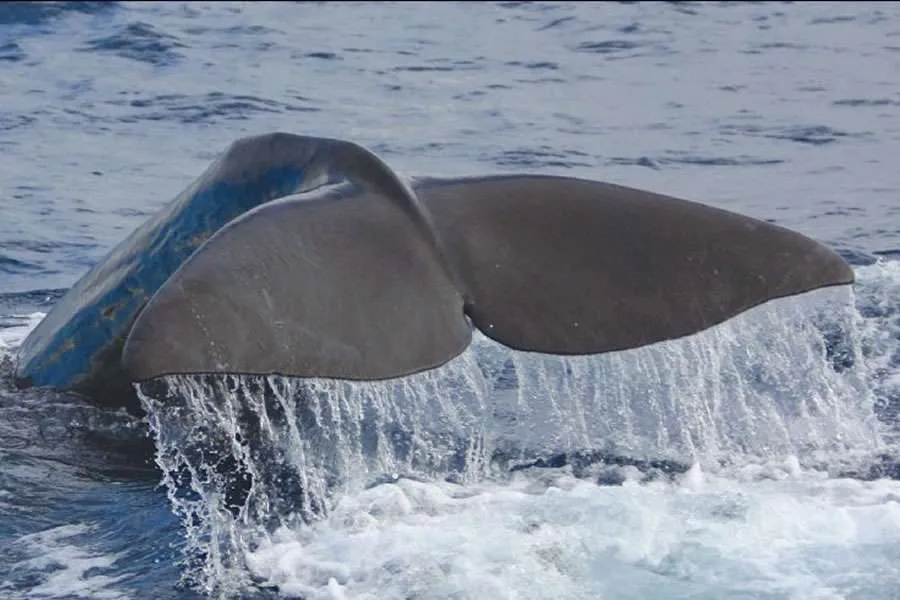
Spain's National Research Council (CSIC) is looking to charter a research boat and crew for a 36-day scientific expedition to study sperm whales and Cuvier's beaked whales in waters around the Canary Islands.
The expedition is expected to take place between 14th October and 18th November 2026, although the schedule may change depending on weather and sea conditions.
Mapping deep-diving whales
The project forms part of the ESMARES3 marine monitoring programme, carried out under an agreement between the Ministry for Ecological Transition and the CSIC.
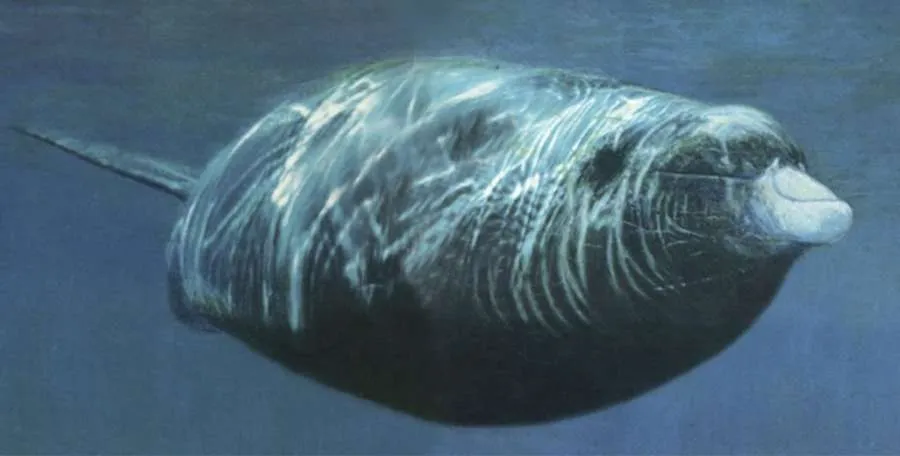
Scientists aim to improve knowledge of the distribution, abundance and behaviour of sperm whales and Cuvier's beaked whales, two deep-diving species that are regularly found in Canary Islands waters.
Because these whales spend much of their time underwater, researchers will combine traditional visual observations with passive acoustic monitoring, using underwater microphones known as hydrophones to detect the animals' vocalisations even when they cannot be seen.
Continuing long-term research
The survey has been designed to match the methods used during previous studies carried out in 2009–2010 and again in 2021, allowing scientists to compare results and assess how whale populations have changed over time.
The study area will cover waters surrounding the Canary Islands out to approximately 27 kilometres offshore. Researchers will follow carefully planned survey routes at a constant speed to ensure data collected this year can be directly compared with previous expeditions.
Specially equipped vessel required
The CSIC is seeking a vessel capable of operating steadily at six to seven knots, remaining at sea for up to seven consecutive days, and accommodating the captain, crew and a scientific team of at least eight researchers.
One of the most important requirements is the vessel's scientific equipment.
The successful bidder must provide two towed hydrophone systems capable of operating simultaneously while the vessel is underway. One will be used to detect and locate sperm whales and beaked whales, while the second, a three-dimensional hydrophone array, will help pinpoint the animals' exact location.
The equipment must be suitable for both daytime and night-time surveys, provided sea conditions allow operations to continue safely.
Why not use a research ship?
Although the Spanish Institute of Oceanography (IEO-CSIC) operates its own fleet of research vessels, the organisation says those ships are designed for much larger multidisciplinary missions and are not the best fit for this type of survey.
According to the tender documents, with a budget of 145,000 euros, the larger oceanographic vessels are too expensive and less manoeuvrable for the close observation of whales and the deployment of specialised acoustic equipment.
Hiring a smaller, purpose-equipped vessel is considered a more efficient use of public funds while providing researchers with the facilities needed for the project.
Tender open until 20th July
The scientific campaign will be led by researchers from the IEO-CSIC Oceanographic Centre in Vigo, working alongside members of the MegaMAR research group, which includes scientists from Vigo, Málaga and the Canary Islands.
Companies interested in providing the vessel and crew only have until 20th July to submit their bids through Spain's Public Sector Procurement Platform.
The contract will be awarded on the basis of the lowest qualifying bid, provided all technical and operational requirements are met. The financial offers are due to be opened on 8th September.
Share: