
Do gummy vitamins survive a Canary Islands summer?
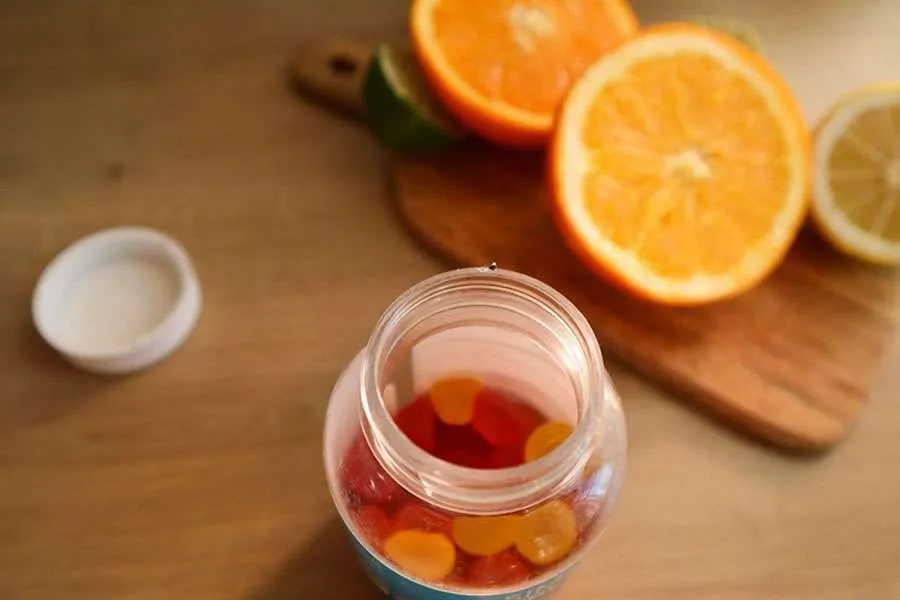
You open the glovebox of a hire car in Playa de las Américas after a day at the beach. The jar of gummy vitamins you bought at Gatwick has become one sticky brick.
Nothing about the label warned you. On islands where August afternoons pass 30°C, this happens to a lot of visitors and residents.
How a gummy copes with heat is settled long before it reaches your beach bag. At Superior Supplement Manufacturing, a US company that produces gummies for other brands, pectin is offered as the plant-based option that holds up better than gelatin in high heat. That choice, plus how you store the jar, decides what you find when you open it.
Why Does a Gummy Soften In the Heat?
A gummy is a sweetened gel. The gelling agent is the ingredient that turns a warm liquid into that chewy, set shape. Most gummy vitamins use one of two agents.
● Gelatin is a protein taken from animal collagen. It gives a bouncy chew, but its gel loosens at temperatures close to body heat.
● Pectin is a plant fibre found in fruit such as apples and citrus peel. It sets differently and is vegan, and a pectin gummy usually stays firmer on a hot day.
The maker's gummy page says pectin has proven more stable than gelatin, especially at high temperatures. That does not make pectin heatproof. Sugar coatings still go tacky, and any gummy left in a closed car will deform.
Where Do Supplements Get Hottest On the Islands?
Air temperature is only part of the story. A parked car or a sunny shelf runs much hotter than the forecast. During a heatwave with daytime highs up to 40°C, the inside of a car can be far worse.
The usual trouble spots:
1. A hire car glovebox or boot, parked in the sun at a beach in the south.
2. A beach bag left on hot sand or a sun lounger.
3. A balcony table or a south-facing kitchen windowsill.
4. A suitcase waiting on the tarmac at Tenerife South or Lanzarote airport.
Inland areas can be hotter still. Gran Canaria's summits often see warmer, drier days than the coast.
A simple fix is to treat the jar like sun cream or a phone. It travels in a shaded bag, comes indoors with you, and never stays in the car over lunch. On a road trip from Puerto del Carmen to the Timanfaya National Park, a small cool bag with a frozen water bottle keeps a week of gummies firm.
How Should You Pack Gummies for the Flight?
Gummies are a solid, so the 100ml liquid rule does not apply to them. Under the UK government's hand luggage rules, food items and powders can block the x-ray image. Your bag may then be searched by hand, and the guidance suggests packing these items in the hold to avoid delays.
For a supplement you take daily, the cabin is still often the better spot. It stays cooler than the hold area while bags wait outside. A few habits help:
● Keep the jar in its original labelled pack, not a loose pill box.
● Put it in a zipped bag in case the lid fails.
● Leave it out of direct sun on the walk across the apron.

What Does Humidity Do to an Open Jar?
Heat is not the only enemy. Sugar pulls moisture from the air, so an open jar on a humid day picks up water and the gummies start to sweat. A calima warning brings dust and haze as well as heat, and a fine film can settle on anything left open.
Keep the lid closed between doses and leave any desiccant sachet in the jar. A cupboard away from the cooker and the window is better than an open shelf. People on several medicines can be more affected by hot weather, a point the NHS makes in its heatwave guidance. That is a good reason to keep the whole medicine shelf somewhere cool and shaded.
Which Format Suits a Long Stay In the Sun?
If you split the year between the UK and the islands, the format matters. One US maker's own comparison table rates gummies as heat and moisture sensitive, with a shelf life of 12 to 18 months. It rates tablets and capsules at 24 to 36 months.
Brands that sell into warm markets can ask their factory for evidence. Superior says it can provide documentation, including a letter certifying a gummy's melting point. It also notes that certifications vary by facility, so a brand has to ask which plant made its batch. As a shopper, you can ask the seller whether the gummy is pectin or gelatin based.
What to Check Before You Throw a Jar Away
A gummy that softened and then set again is not always ruined. But the active ingredients may no longer be spread evenly, and the dose per piece is less certain. Look for these signs:
● The gummies have fused into one lump or changed shape.
● There is a wet or white bloom on the surface.
● The smell or colour has changed.
● The best-before date has passed.
If two or more apply, replace the jar. When in doubt about a vitamin you rely on, ask a pharmacist. Every Canarian town has a farmacia, and staff often speak English in the resort areas.
Frequently Asked Questions
Can I Put Gummy Vitamins In the Fridge?
Yes, a fridge keeps them firm in a heatwave. Bring the jar to room temperature with the lid closed before opening it, or condensation will form on the gummies.
Are Pectin Gummies Better for Hot Climates?
Usually, yes. Pectin tends to hold its shape better than gelatin in warm conditions. The ingredient list on the pack will tell you which one was used.
Is a Melted Gummy Vitamin Dangerous?
It is unlikely to be harmful, but the dose per piece may be uneven. Replace the jar if the gummies have fused or changed colour.
Should I Buy Vitamins In Spain or Bring Them From the UK?
Both work. Buying locally avoids a hot journey, and Spanish pharmacies stock familiar supplements. Bringing your own makes sense if you rely on one specific product. Either way, check the pack for the gelling agent and the storage advice before the first hot week of the year.
Share:































.gif "Blevins Franks")