
Level 2 Emergency declared after record migrant arrivals
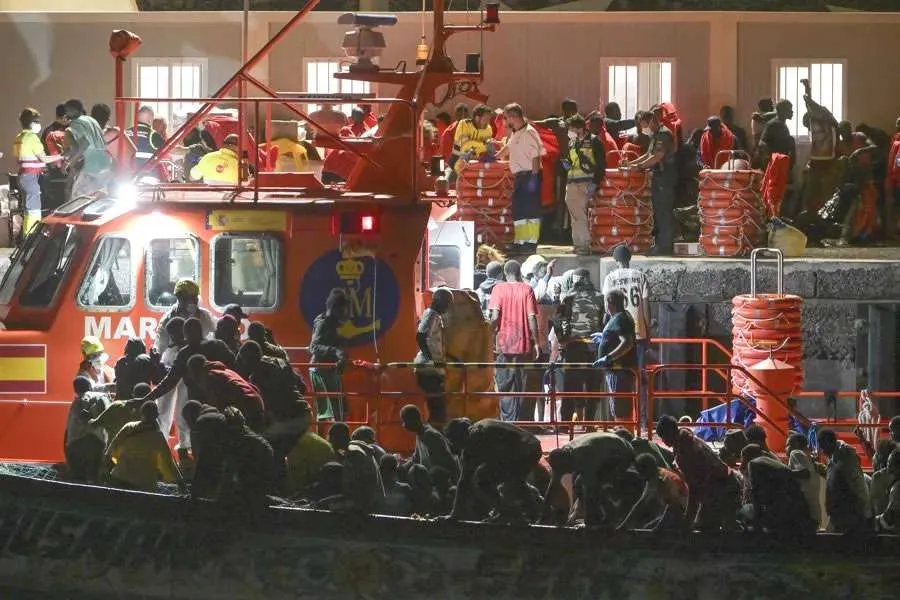
The Canary Islands Government has declared a Level 2 health emergency in El Hierro following an unprecedented surge in migrant arrivals, including a record-breaking day when approximately 2,100 people reached the island aboard 15 boats.
The emergency declaration came into force at 3.00pm yesterday (Wednesday, 25th November), following growing pressure on healthcare services, emergency personnel and migrant reception facilities.
The decision follows Tuesday's extraordinary arrivals, which broke Spain's previous record for the number of migrants reaching the country by sea in a single day.
Record 2,100 Migrants Arrive in Just 24 Hours
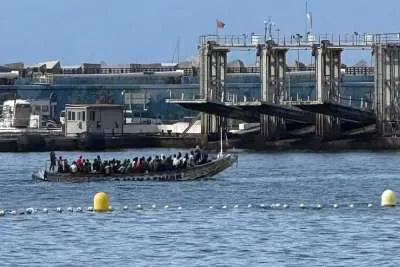
On Tuesday (24th November), approximately 2,100 migrants reached the port of La Restinga in El Hierro after being rescued or assisted during their journeys across the Atlantic.
According to figures compiled by emergency services and reported by EFE, the arrivals included:
- Approximately 2,100 migrants aboard 15 boats.
- At least 203 women and 127 minors.
- A baby girl born during the Atlantic crossing, who was just four days old when she arrived.
- One person who died during the journey.
The boats had travelled from the West African coast, including Senegal and Gambia, with some spending around seven days at sea.
The arrivals surpassed the previous single-day record of 1,580 migrants recorded across the Canary Islands on 14th November.
More Migrants Arrive on Wednesday
The situation continued yesterday, Wednesday, when another 443 migrants reached El Hierro aboard four boats.
Using the approximately 2,100 arrivals reported on Tuesday, this means around 2,543 people reached the island in just two days.
The figures highlight the extraordinary pressure facing El Hierro, which has a resident population of only around 12,000 people.
In just 48 hours, the number of arrivals was equivalent to more than one-fifth of the island's population.
What Does the Level 2 Emergency Mean?
The Canary Islands Government activated Level 2 of its Territorial Civil Protection Emergency Plan, known as PLATECA.
This is a formal emergency response designed to coordinate additional resources when local services face an exceptional situation.
The declaration covers healthcare, social assistance, public safety and the provision of temporary accommodation.
It allows the regional government to coordinate support with El Hierro's island council, local authorities and other organisations, including the possible deployment of additional medical teams, emergency personnel and logistical resources.
The declaration does not mean the island is closed to visitors or that ordinary travel to El Hierro has been suspended.
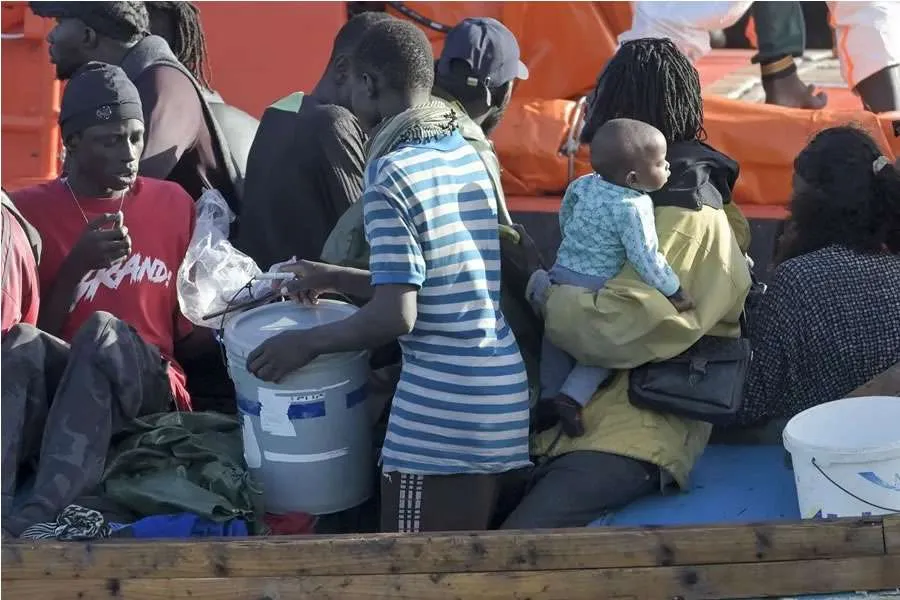
There were 203 women,127 minors, and a baby girl born during the Atlantic crossing, who was just four days old when she arrived. (Image: EFE).
Emergency Services Under Pressure
The small island has become one of the principal arrival points for boats travelling along the Atlantic migration route.
Migrants rescued at sea are normally taken to La Restinga, where medical personnel and humanitarian organisations provide initial assessments and emergency assistance.
Some arrive suffering from dehydration, exhaustion and other health problems after spending several days at sea.
Following medical checks, police carry out identification procedures and the authorities arrange temporary accommodation or onward transfers where appropriate.
Unaccompanied children are placed under the responsibility of child protection services, which have faced growing pressure from the number of minors arriving in the archipelago.
The latest arrivals have increased demands on an island with limited healthcare facilities, emergency personnel and accommodation capacity.
Calls for Additional Support
Canary Islands President Fernando Clavijo has called for additional assistance from the Spanish Government to help manage the situation.
The regional government says the emergency declaration is necessary to reinforce services and ensure that migrants receive appropriate care without exhausting the island's limited resources.
The response also involves coordination between the regional and national authorities, particularly over healthcare, temporary reception facilities and the care of unaccompanied minors.
The emergency measures will remain in place while the exceptional situation continues and additional resources may be required.
A Growing Challenge for the Canary Islands
The latest surge comes during a particularly intense period of migrant arrivals along the Atlantic route, with boats continuing to reach El Hierro, Tenerife and Gran Canaria.
The crossing from West Africa is considered one of the most dangerous migration routes into Europe, with passengers facing long journeys in overcrowded vessels and unpredictable sea conditions.
For El Hierro, the immediate priority is ensuring that emergency services have sufficient personnel, medical supplies and accommodation to respond to the continuing arrivals.
Share:

























.gif "Blevins Franks")