
More than 800 migrants arrive in south Tenerife and El Hierro in one day
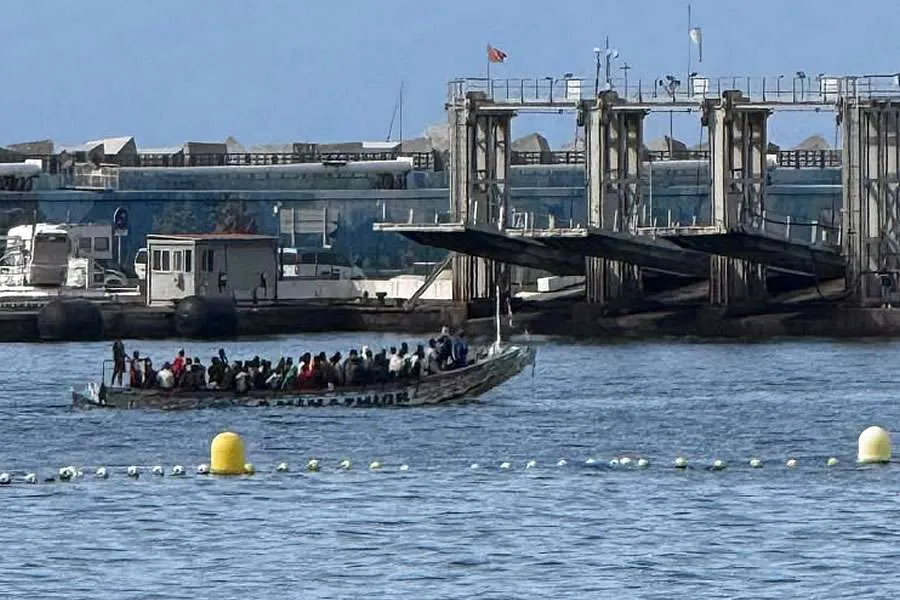
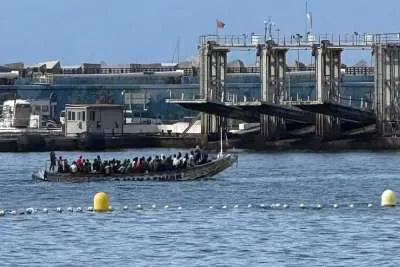
A total of 815 migrants arrived in the Canary Islands yesterday, Monday 23rd November, following the rescue of eight boats off the coasts of Tenerife and El Hierro.
The arrivals included 73 women and 48 minors, highlighting the continuing pressure on emergency services and reception facilities across the archipelago.
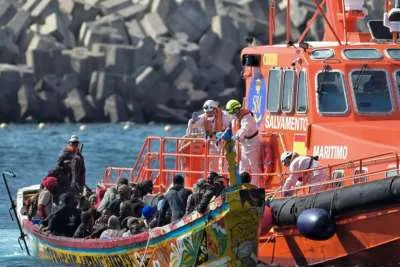
Six of the boats were intercepted near El Hierro, while two were rescued in waters close to Los Cristianos in Tenerife.
Rescue operations off Tenerife and El Hierro
Spain's maritime rescue service, Salvamento Marítimo, coordinated operations to assist the migrants travelling aboard the eight boats.
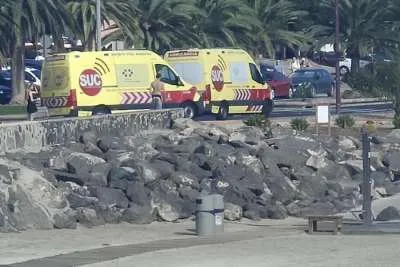
Those rescued were brought ashore, where emergency personnel and humanitarian organisations provided initial assistance, including medical assessments.
The Canary Islands remain a major destination for boats departing from the northwest African coast, with many people attempting the dangerous Atlantic crossing in overcrowded vessels.
The journey can take several days, exposing passengers to dehydration, exhaustion, rough seas and other serious risks.
More than 1,100 arrivals in two days
Monday's arrivals followed another significant day on Sunday, when 294 migrants reached El Hierro aboard five boats.
Together, the two days saw 1,109 people arrive in the Canary Islands, placing additional demands on the authorities responsible for rescue operations, humanitarian assistance and accommodation.
El Hierro, the smallest of the Canary Islands by population, has become one of the principal arrival points along the Atlantic migration route.
Its limited infrastructure means large numbers of arrivals can create considerable logistical challenges for emergency services and reception teams.
What happens after migrants arrive?
Following their rescue, migrants normally receive medical attention and initial humanitarian assistance at designated reception facilities.
Police then carry out identification and registration procedures, while authorities assess individual circumstances, including whether anyone requires additional medical care or protection.
Unaccompanied minors are placed under the care of the relevant child protection authorities, while adults may be transferred to temporary reception facilities or other locations in Spain, depending on available capacity and their circumstances.
The process is coordinated between national authorities, regional services and humanitarian organisations.
The latest arrivals underline the ongoing challenges facing the Canary Islands as one of Europe's main entry points for irregular migration by sea.
Share: