

Why do businesses prefer Thermal Transfer Labels over other label types?
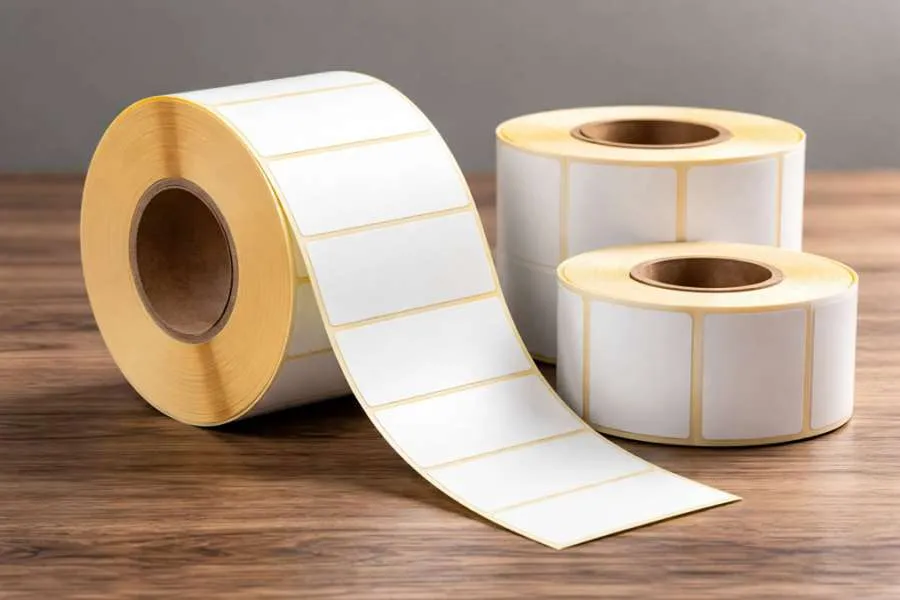
In fast-moving industries such as retail, warehousing, manufacturing and logistics, labels do more than display information. They support tracking systems, protect compliance, and keep operations running smoothly. When labels fail, businesses lose time and money. That is why many companies now choose thermal transfer labels over other label types.
Search terms such as thermal transfer labels UK, industrial barcode labels, durable shipping labels, and warehouse labelling solutions show growing demand for reliable, long-lasting print. Businesses want labels that stay clear, scan accurately and resist wear. Thermal transfer technology meets those needs.
In this article, we explain what thermal transfer labels are, how they compare to other options, and why they are often the preferred choice for professional environments.
What Are Thermal Transfer Labels?
Thermal transfer labels are printed using a thermal transfer printer and a ribbon. Heat from the printhead melts ink from the ribbon onto the label surface. This creates a sharp, durable image that bonds to the material.
Unlike direct thermal labels, which use heat-sensitive paper, thermal transfer labels rely on ribbon-based printing. The result is a more resistant finish. Text and barcodes remain clear even when exposed to heat, moisture or friction.
Many businesses rely on barcode systems for stock control and shipping. Accurate labelling is essential for smooth supply chains. Organisations such as GS1 set global standards for barcode accuracy and traceability. Thermal transfer printing helps businesses meet those standards consistently.
Superior Durability in Demanding Environments
One of the main reasons Label Metrics recommends companies to use thermal transfer labels is their durability.
Warehouses are not gentle environments. Labels may face temperature changes, handling, stacking and transport. Direct thermal labels can fade over time, especially when exposed to heat or sunlight. Thermal transfer labels, however, are built to last.
Because the ink is transferred via ribbon and bonded to the label surface, it resists smudging and scratching. This makes thermal transfer labels ideal for:
- Warehouse shelving labels
- Pallet labels
- Asset tracking labels
- Product identification labels
- Outdoor storage labelling
For businesses that need long-term legibility, durability is not optional. It is essential.
Better Barcode Quality and Scan Reliability
Clear barcode printing is critical. If a barcode does not scan properly, it slows down operations and increases errors.
Thermal transfer printing produces crisp, high-resolution barcodes. The print quality remains stable over time. This reduces scanning issues at checkout points, loading bays and distribution centres.
In industries where traceability matters, such as food production and pharmaceuticals, clear labelling supports compliance. Regulatory bodies, including the FDA, emphasise accurate product identification and tracking. While UK businesses follow their own regulations, global supply chains often require high labelling standards.
Thermal transfer labels provide the consistency needed for reliable scanning across different systems.
Greater Material Flexibility
Another advantage of thermal transfer labels is material choice.
Direct thermal labels are usually limited to paper-based materials. Thermal transfer labels, however, can be used with paper, polypropylene, polyester and other synthetic materials.
This flexibility allows businesses to select labels suited to specific environments. For example:
- Polyester labels for chemical resistance
- Polypropylene labels for moisture resistance
- Paper labels for cost-effective shipping
Different ribbon types, such as wax, wax-resin and resin, can also be chosen depending on durability requirements. This level of customisation makes thermal transfer labels adaptable across industries.
Businesses searching for custom thermal transfer labels or industrial barcode labels UK often prioritise this flexibility.
Long-Term Cost Efficiency
At first glance, thermal transfer printing may appear more expensive due to the need for ribbons. However, many businesses find it more cost-effective over time.
Direct thermal labels may need replacing if they fade or become unreadable. Mis-scanned barcodes can lead to delivery errors or lost stock. These hidden costs add up.
Thermal transfer labels reduce reprinting and minimise operational disruption. When labels remain readable for months or even years, replacement costs decrease.
For asset tagging and long-term storage, this reliability provides strong value. Businesses investing in durable labelling solutions often see fewer errors and improved workflow efficiency.
Ideal for Harsh Conditions
Some industries operate in tough conditions. Cold storage, manufacturing plants, and outdoor yards expose labels to moisture, chemicals and temperature swings.
Thermal transfer labels perform well in these settings. Resin ribbons, for example, produce highly resistant prints suitable for chemical exposure and abrasion.
In chilled or frozen environments, direct thermal labels can darken or lose clarity. Thermal transfer labels maintain legibility. This makes them popular for food distribution, medical storage and industrial applications.
When searching for freezer-safe labels or chemical-resistant labels, businesses frequently choose thermal transfer options.
Professional Appearance and Brand Consistency
Presentation matters. Clean, sharp labels reflect a professional image.
Thermal transfer printing delivers consistent, dark text and defined graphics. Logos, serial numbers and product details appear clear. This supports brand identity and customer confidence.
For e-commerce businesses shipping products daily, packaging is part of the customer experience. Smudged or faded shipping labels do not inspire trust. High-quality printed labels, on the other hand, signal reliability.
Consistency across packaging, stock rooms and retail displays strengthens brand perception.
Compatibility with Industrial Printers
Thermal transfer labels are widely compatible with industrial and desktop thermal printers. Brands such as Zebra, TSC and Honeywell support this technology, making it a standard choice in commercial settings.
Businesses often prefer solutions that integrate easily with existing hardware. Thermal transfer printing is a well-established system with strong support and availability of supplies.
This widespread compatibility ensures businesses can scale operations without switching labelling methods.
Reduced Risk of Fading Over Time
Direct thermal labels rely on heat-sensitive coatings. Over time, exposure to light and heat can cause them to darken or fade.
Thermal transfer labels do not rely on reactive paper. The printed image is physically transferred onto the surface. This significantly reduces fading.
For archived documents, long-term stock storage or equipment labelling, this stability is valuable. Labels remain readable months or years after printing.
When durability and lifespan are priorities, thermal transfer labels offer peace of mind.
Supporting Efficient Supply Chains
Modern supply chains depend on accurate data. From goods in to goods out, every item must be traceable.
Thermal transfer labels help maintain that accuracy. Clear barcodes reduce scanning errors. Durable materials reduce relabelling. Reliable print ensures information stays intact during transit.
In sectors such as retail distribution, manufacturing and e-commerce fulfilment, this reliability improves productivity.
Businesses searching for warehouse labelling solutions or long-lasting barcode labels often settle on thermal transfer technology for this reason.
Final Thoughts
Thermal transfer labels have become the preferred choice for many businesses because they offer durability, flexibility and consistent print quality. They withstand demanding environments, maintain barcode clarity and reduce long-term costs.
While direct thermal labels may suit short-term applications, thermal transfer labels provide a stronger solution for operations that depend on long-lasting identification and tracking.
For businesses focused on efficiency, compliance and professional presentation, investing in thermal transfer labelling is a practical step. Reliable labels support reliable systems. And in competitive industries, that reliability makes all the difference.
Share: