
Beyond the Resort Menu: How Canarian food actually works
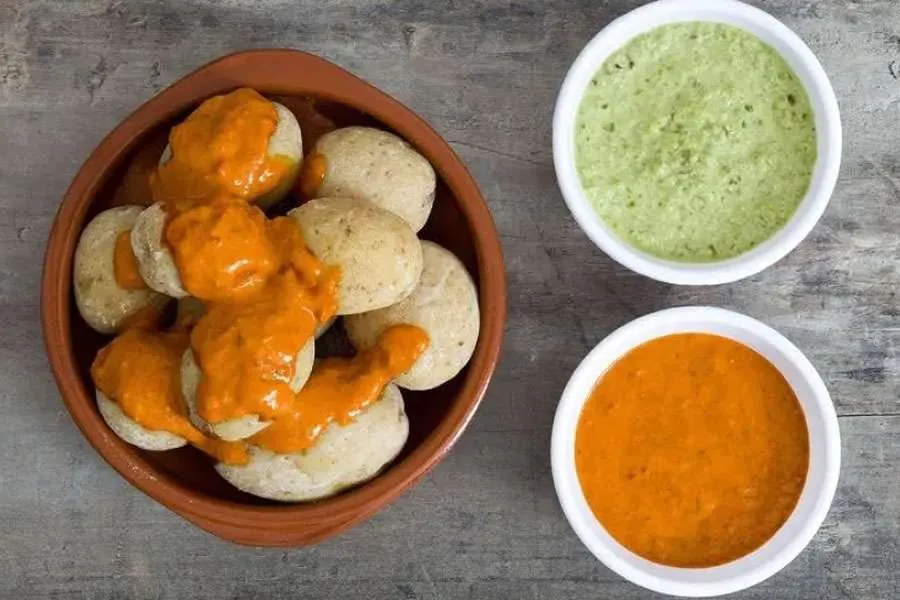
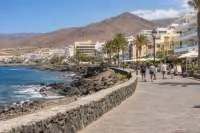
Visitors who only eat in restaurants along the seafront go home convinced that local Canarian cuisine consists of only wrinkled potatoes and a red sauce. That is a bit like judging British food by only going to a motorway service station.
The archipelago has a genuinely distinctive culinary tradition, shaped by pre-Hispanic Guanche staples, Atlantic trade routes, Latin American influence returning with emigrants, and a volcanic agriculture that produces flavours found almost nowhere else in Europe.
The obstacle is not availability but visibility. The best Canarian eating happens in places that do not advertise, do not translate their menus, and frequently do not have a fixed opening schedule.
Once you understand the conventions, finding them is easy.
The Foundations Worth Knowing
Papas Arrugadas are the famous ones, and they are more interesting than they look. Small local potatoes - the islands grow varieties brought from South America centuries ago and maintained here since - are boiled in heavily salted water until the skins wrinkle and a fine salt crust forms. They are served with skins on, and peeling them marks a visitor instantly.
Mojo sauce comes from two families. Mojo rojo is built on red pepper, garlic and paprika, and becomes Mojo Picón when chilli is added. Mojo Verde uses coriander or parsley and typically accompanies fish, whereas the red version goes with meat and potatoes. Every household makes it differently, and disagreements about proportions are conducted with real feeling.
Gofio is the oldest thing on the table - toasted grain flour that predates the Spanish conquest and remains a genuine staple rather than a heritage curiosity. It appears stirred into soups, kneaded with stock, rolled into dough, or served as a dessert mousse.
The Rhythm of the Island Table
Eating here runs on a schedule that catches British visitors out repeatedly. Lunch rarely begins before two and often runs past four, dinner seldom starts before nine, and the long afternoon lull between them is genuinely quiet - kitchens closed, smaller shops shut, and village streets empty for a couple of hours.
Adjusting to that rhythm rather than fighting it is the single best piece of advice anyone can give a new arrival, though the enforced downtime does take some filling, particularly in rural areas where the connection is thin and a proper streaming session is out of the question. Lightweight browser entertainment has become a common answer for exactly that reason: something like the Wild Spin slot loads in seconds on a phone browser with no installation, no storage footprint and no app account, and keeps functioning on the sort of intermittent signal that would stall a video outright.
The same practicality explains why browser puzzle games and quiz apps circulate widely among residents in the interior villages, where a dependable low-bandwidth option is simply worth more than a demanding one that works only when conditions allow.
The Guachinche: Tenerife's Best-Kept Arrangement
The guachinche is the most rewarding thing in Canarian food culture and the least explained to visitors. These are informal eating places, concentrated in the north of Tenerife around the Orotava valley and the Acentejo coast, where a wine producer sells their own production alongside a short menu of home cooking.
The conventions are specific. A guachinche traditionally opens seasonally, operating while the house wine lasts and closing when it runs out. The menu is short, written on a board, and rarely translated. Payment is often cash. The wine is the producer's own, served in a jug rather than a labelled bottle, and it is frequently excellent.
What they serve is straightforward and generous: Carne Fiesta (marinated fried pork), Costillas Con Papas (ribs with potatoes and corn), Garbanzas (chickpea stew), grilled local cheese, and whatever fish came in that morning.
Island Specialities Worth Seeking
Each island has produced something distinctive, and several travel poorly enough that they are genuinely only worth eating locally:
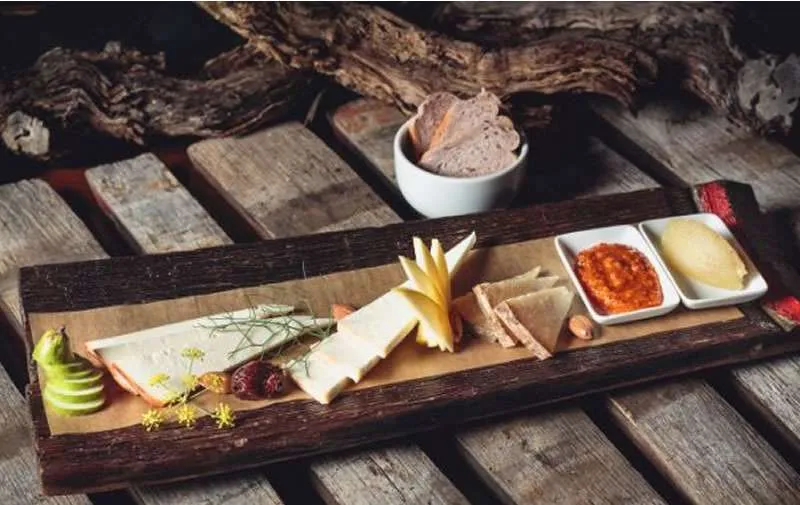
- Almogrote - a La Gomera spread of hard aged cheese, peppers, garlic and oil, served on bread and dangerously easy to over-order.
- Queso Majorero - Fuerteventura's protected goat cheese, sometimes rubbed with paprika or gofio, and one of Spain's finest.
- Sancocho Canario - salted fish rehydrated and served with potatoes, sweet potato and a gofio dough, traditionally a weekend or festival dish.
- Ropa Vieja – literally translates as "old clothes", a chickpea and shredded meat dish that exists across the Spanish-speaking world but has a distinctly Canarian version.
- Bienmesabe - an almond and honey dessert of Moorish descent, typically served with ice cream.
- Barraquito - Tenerife's layered coffee with condensed milk, liqueur 43, lemon peel and cinnamon, and a genuine local institution.
The Wines Nobody Expects
The volcanic viticulture here deserves far more attention than it receives internationally. Lanzarote's La Geria is the visual showpiece: vines planted individually in hollows dug into volcanic ash, each sheltered by a semicircular stone wall against the trade winds. The ash retains overnight moisture in a region with almost no rainfall, making the system an ingenious piece of agricultural engineering that happens to look extraordinary.
The archipelago also carries a quiet distinction - phylloxera, the aphid that destroyed most of Europe's vineyards in the nineteenth century, never reached the islands. Vines here grow on their own roots rather than grafted American stock, and some are genuinely old.
Malvasía volcánica from Lanzarote produces distinctive whites, while Tenerife's Listán negro makes reds with a recognisable volcanic character. Neither is widely exported, which makes them worth drinking here.
Practical Advice for Eating Well
A few habits shift the experience considerably:
1. Move inland and uphill, since the concentration of tourist-oriented kitchens drops sharply a few kilometres from the coast.
2. Look for handwritten menus without photographs or translations, which is the single most reliable signal of a local kitchen.
3. Ask what the fish is rather than ordering from a list, as the answer changes daily and the honest answer tells you a great deal about the place.
4. Carry cash, because many guachinches and village kitchens do not take cards.
5. Eat at local hours, given that a kitchen filling at nine in the evening is serving residents and one filling at six is not.
The reward for a small amount of effort here is disproportionate. Canarian cooking is unfussy, generous, built on ingredients that grow within a few kilometres of the table, and priced for people who eat out regularly rather than for people on holiday.
It is one of the genuine pleasures of island life, and it remains largely invisible to anyone who never leaves the seafront.
Share: