
€1 tourist tax proposed to fight poverty in the Canary Islands
A tourist tax of at least €1 per overnight stay has been proposed in the Canary Islands to fund support for children and families.
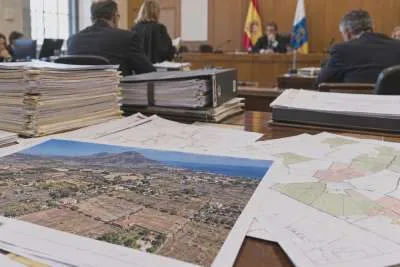
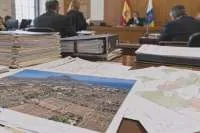
Raimundo Moreno Méndez, head of the Centro de la Familia organisation, put forward the idea yesterday (Tuesday) during a Canary Islands parliamentary committee hearing on child poverty. He estimated that the charge could generate €180 million a year, with the money earmarked for services supporting children and their families.
The proposal is not an approved tourist tax, and no implementation date or details of how it would be collected have been given.
Moreno argued that a contribution of €1 per overnight stay would be affordable for visitors and could provide substantial funding to address poverty. He criticised resistance to introducing tourism-related measures, saying the pressures associated with the industry should be considered alongside the needs of local families.
The proposed charge formed part of a wider package of recommendations covering housing, childcare, education and early support.
Housing and childcare
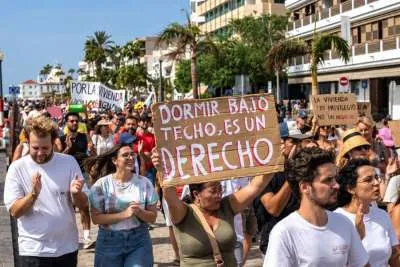
Moreno described the shortage of housing as a major factor contributing to child poverty and called for a dedicated housing commissioner to urgently identify homes for people who need them.
He also claimed that 42,000 holiday rental properties had been taken out of the residential rental market, and argued that the response to the housing crisis needed to be more decisive.
To help working parents, he proposed professionally staffed children’s day centres in every municipality. These would provide additional learning, social activities and meals, alongside support for families.
He also called for schools to offer afternoon provision, potentially using two teams of education staff, to help parents balance work and childcare and prevent children being left alone after lessons.
Better schools and earlier support
Moreno criticised the design and condition of school buildings, calling for more open, welcoming spaces with better access to nature.
He argued that large concrete school complexes did little to support children’s wellbeing and that improvements to the learning environment should form part of efforts to reduce poverty.
Another recommendation was a Canary Islands pact for children and against poverty covering 2027–2037, bringing together long-term commitments to improve support.
Moreno said services for children should be better coordinated across social care, healthcare and education. He advocated support from birth, with institutions working together to identify children’s needs and help families before difficulties escalate.
He also questioned the use of formal “at risk” classifications, arguing that these could stigmatise families experiencing poverty. Instead, he proposed an approach centred on additional protection and support, while maintaining intervention where needed.
The organisation was established 43 years ago. Moreno urged MPs to take stronger action so that the same problems would not persist for another generation.
Share: