<?xml version="1.0" encoding="UTF-8"?>
<rss version="2.0"
	xmlns:content="http://purl.org/rss/1.0/modules/content/"
	xmlns:wfw="http://wellformedweb.org/CommentAPI/"
	xmlns:dc="http://purl.org/dc/elements/1.1/"
	xmlns:atom="http://www.w3.org/2005/Atom"
	xmlns:sy="http://purl.org/rss/1.0/modules/syndication/"
	xmlns:slash="http://purl.org/rss/1.0/modules/slash/"
	>

<channel>
	<title>Canarian Weekly &#187; Health &amp; Beauty</title>
	<atom:link href="http://www.canarianweekly.com/category/health-beauty/feed/" rel="self" type="application/rss+xml" />
	<link>http://www.canarianweekly.com</link>
	<description>Tenerife&#039;s Biggest Weekly Newspaper</description>
	<lastBuildDate>Fri, 24 May 2013 10:19:16 +0000</lastBuildDate>
	<language>en-US</language>
	<sy:updatePeriod>hourly</sy:updatePeriod>
	<sy:updateFrequency>1</sy:updateFrequency>
	<generator>http://wordpress.org/?v=3.5.1</generator>
		<item>
		<title>English gardens to welcome London passengers</title>
		<link>http://www.canarianweekly.com/english-gardens-london-passengers/</link>
		<comments>http://www.canarianweekly.com/english-gardens-london-passengers/#comments</comments>
		<pubDate>Fri, 17 May 2013 11:13:21 +0000</pubDate>
		<dc:creator>admin</dc:creator>
				<category><![CDATA[Health & Beauty]]></category>

		<guid isPermaLink="false">http://www.canarianweekly.com/?p=17926</guid>
		<description><![CDATA[Heathrow has partnered with the Royal Horticultural Society (RHS) to bring the best in traditional English gardens to welcome passengers into London. Until the 25th May, over 8 million passengers travelling through Heathrow will be welcomed with distinctive garden displays. In a first for the airport, the forecourts of Terminals 3, 4 and 5 will [...]]]></description>
				<content:encoded><![CDATA[<p><a href="http://www.canarianweekly.com/wp-content/uploads/2013/05/Garden-11.jpg"><img class="alignleft size-thumbnail wp-image-17927" alt="Garden 1" src="http://www.canarianweekly.com/wp-content/uploads/2013/05/Garden-11-150x150.jpg" width="150" height="150" /></a>Heathrow has partnered with the Royal Horticultural Society (RHS) to bring the best in traditional English gardens to welcome passengers into London.</p>
<p>Until the 25<sup>th</sup> May, over 8 million passengers travelling through Heathrow will be welcomed with distinctive garden displays.</p>
<p>In a first for the airport, the forecourts of Terminals 3, 4 and 5 will be transformed into a living art installation by Tony Smith, winner of three Royal Horticultural Society best in show awards and gold at RHS Chelsea, RHS Hampton Court, RHSTattonPark and Gardeners’ World Live Flower Shows.</p>
<p>Tony Smith said:</p>
<p>‘Creating living art installations for Heathrow has been a fantastic challenge. It’s amazing to think that so many international visitors will be able to enjoy my work and I hope the gardens are a memorable welcome home for British travellers.’</p>
<p>Over 170 Heathrow and RHS volunteers wearing Wellington boots and gardening aprons will be busy welcoming passengers arriving into London and dispensing gardening advice. Restaurants at the airport will be continuing the theme with specially designed menus to celebrate the season, including native lobster with elderflower foam, pea shoots and violets from Gordon Ramsay’s Plane Food and spring salads with edible flowers from “rhubarb”.</p>
<p>Arriving passengers will also be encouraged to start their own English garden at home &#8211; 20,000 packets of seeds will be given away in the terminals, each with the potential to grow a square metre of wild flowers.</p>
<p>Colin Matthews, Heathrow CEO said; ‘The UK&#8217;s hub airport is British and thoroughly international at the same time. Heathrow is pleased to join forces with the Royal Horticultural Society to celebrate some of the best of Britain with visitors from around the world.’</p>
]]></content:encoded>
			<wfw:commentRss>http://www.canarianweekly.com/english-gardens-london-passengers/feed/</wfw:commentRss>
		<slash:comments>0</slash:comments>
		</item>
		<item>
		<title>Angelina opens up her heart after surgery to prevent breast cancer</title>
		<link>http://www.canarianweekly.com/angelina-opens-heart-surgery-prevent-breast-cancer/</link>
		<comments>http://www.canarianweekly.com/angelina-opens-heart-surgery-prevent-breast-cancer/#comments</comments>
		<pubDate>Fri, 17 May 2013 11:10:26 +0000</pubDate>
		<dc:creator>admin</dc:creator>
				<category><![CDATA[Health & Beauty]]></category>

		<guid isPermaLink="false">http://www.canarianweekly.com/?p=17920</guid>
		<description><![CDATA[ANGELINA JOLIE, the Oscar-winning actress, has gone public about her double mastectomy. The American beauty was found to have a faulty gene which sharply increased the chance of her developing breast and ovarian cancer. Jolie, who lives with Hollywood star Brad Pitt, has written movingly in a New York Times article that her mother fought [...]]]></description>
				<content:encoded><![CDATA[<p><a href="http://www.canarianweekly.com/wp-content/uploads/2013/05/Health-41.jpg"><img class="alignleft size-thumbnail wp-image-17921" alt="Health 4" src="http://www.canarianweekly.com/wp-content/uploads/2013/05/Health-41-150x150.jpg" width="150" height="150" /></a>ANGELINA JOLIE, the Oscar-winning actress, has gone public about her double mastectomy.</p>
<p>The American beauty was found to have a faulty gene which sharply increased the chance of her developing breast and ovarian cancer.</p>
<p>Jolie, who lives with Hollywood star Brad Pitt, has written movingly in a New York Times article that her mother fought cancer for 10 years before her death.</p>
<p>She told readers: “My doctors estimated that I had an 87% risk of breast cancer and a 50% risk of ovarian cancer, although the risk is different in the case of each woman.</p>
<p>“Only a fraction of breast cancers result from an inherited gene mutation. Those with a defect in BRCA1 have a 65% risk of getting it, on average.</p>
<p>“Once I knew that this was my reality, I decided to be proactive and to minimise the risk as much I could. I made a decision to have a preventive double mastectomy.”</p>
<p>The 37-year-old, one of the highest-paid film stars of all, has six children &#8211; three by Pitt and three adopted.</p>
<p>She added: “On 27<sup>th</sup> April, I finished the three months of medical procedures that the mastectomies involved.</p>
<p>“During that time, I have been able to keep this private and to carry on with my work. But I am writing about it now because I hope that other women can benefit from my experience.</p>
<p>“Cancer is still a word that strikes fear into people’s hearts, producing a deep sense of powerlessness.</p>
<p>“But today, it is possible to find out through a blood test whether you are highly susceptible to breast and ovarian cancer, and then take action.”</p>
<p>Angelina, who was given breast implants, says: “There have been many advances in this procedure in the last few years, and the results can be beautiful.</p>
<p>“I wanted to tell other women that the decision to have a mastectomy was not easy. But I am very happy I made it.</p>
<p>“My chances of developing breast cancer have dropped from 87% to under 5%, so I can tell my children that they don’t need to fear they will lose me to breast cancer.”</p>
<p>In the article, headlined <i>My Medical Choice</i>, the star revealed that Pitt was by her side “for every minute” of her treatment.</p>
<p>“I am fortunate to have a partner who is so loving and supportive,” she writes. “So to anyone who has a wife or girlfriend going through this, know that you are a very important part of the transition.”</p>
<p>The UK’s NHS guidelines recommend that anyone at “high risk” of developing breast cancer at some point in her life be gene-tested.</p>
<p>Liberty X singer Michelle Heaton, who had a double mastectomy last year, told Sky News: “She is 100% right in coming out and letting everybody know what she has been through &#8211; and how she has come out the other end.”</p>
<p>She hoped the press coverage over the last six months of her own experience, and that of Jolie and returning X-Factor judge Sharon Osbourne, who had the same operation after finding out she carried the faulty breast-cancer gene, would “have a positive impact for women who are deciding whether they should be tested for this gene”.</p>
<p>Wendy Watson, who founded the National Hereditary Breast Cancer Helpline, also welcomed Angelina’s decision to publicise her double mastectomy.</p>
<p>Mrs Watson, from near Bakewell, Derbyshire, who had a double mastectomy in 1992 at the age of 37, said: “It is excellent, because it is the highest profile you can get for it.</p>
<p>“It raises the profile for other women who have a family history and would benefit from being screened more frequently.”</p>
<p>&nbsp;</p>
<p>&nbsp;</p>
]]></content:encoded>
			<wfw:commentRss>http://www.canarianweekly.com/angelina-opens-heart-surgery-prevent-breast-cancer/feed/</wfw:commentRss>
		<slash:comments>0</slash:comments>
		</item>
		<item>
		<title>BE SUN SAFE!</title>
		<link>http://www.canarianweekly.com/sun-safe/</link>
		<comments>http://www.canarianweekly.com/sun-safe/#comments</comments>
		<pubDate>Fri, 17 May 2013 11:09:06 +0000</pubDate>
		<dc:creator>admin</dc:creator>
				<category><![CDATA[Health & Beauty]]></category>

		<guid isPermaLink="false">http://www.canarianweekly.com/?p=17917</guid>
		<description><![CDATA[WHEN the sun’s beating down, as it is at the moment, you need to think about more than just protecting your skin. Your hair and your scalp will suffer, too, if you’re not ready for the rays that are hitting it when you are sunbathing, or simply walking around. The force of the sun is [...]]]></description>
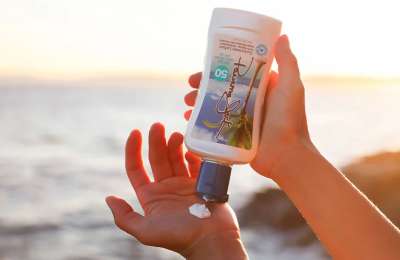
				<content:encoded><![CDATA[<p><a href="http://www.canarianweekly.com/wp-content/uploads/2013/05/Health-1.jpg"><img class="alignleft size-thumbnail wp-image-17918" alt="Health 1" src="http://www.canarianweekly.com/wp-content/uploads/2013/05/Health-1-150x150.jpg" width="150" height="150" /></a>WHEN the sun’s beating down, as it is at the moment, you need to think about more than just protecting your skin.</p>
<p>Your hair and your scalp will suffer, too, if you’re not ready for the rays that are hitting it when you are sunbathing, or simply walking around.</p>
<p>The force of the sun is much more intense here in Tenerife, and Icannot stress enough about how much you should care for your hair through the summer months.</p>
<p>Light blondes are most at risk, so anyone with tinted or bleached hair should always apply protection to counter the sun. This is also a must if you’re using hair irons.</p>
<p>So don’t forget, you must protect, protect, protect!</p>
<p>Okay, so what’s the best way to do this? Well, first and foremost, think about your skin when you’re in the sun.</p>
<p>You always put factor on to protect this and, likewise, with your hair. We carry a range of products, like many others, which are used before and after sun exposure: a defence spray to block the intense rays; a shampoo to cleanse and moisturise after sunbathing, and a deep, intense masque to hydrate and nourish the hair.</p>
<p>This should be done every time you expose your hair for more than, say, half-an-hour.</p>
<p>You won’t be able to see the damage you are doing to your hair while in the sun, but the results will show later in the year if you don’t act now.</p>
<p>I get clients telling me that they think they care for their hair, and that they don’t overexpose it to the sun. Yet they use nothing on it while sunbathing</p>
<p>&nbsp;</p>
<p>If they are chocolate brown, then their hair, as well as their skin, is also getting burnt.</p>
<p>Never apply serums or waxy-type products to your hair before taking the sun because these will literally FRY the hair and not protect it at all.</p>
<p>If you’re having a dip and are sitting in the sun later, the sea water is a killer if your hair is colour-treated.</p>
<p>Never sunbathe with wet hair but try to cover it with a scarf, or put on a hair masque.</p>
<p>Leaving it to dry with salt water in your hair will really dry it out.</p>
<p>The same goes for chlorinated water. Always rinse the hair when you come out of the pool or sea to prevent serious damage.</p>
<p>I know I go on at you, but I’ve recently been seeing some rather upset clients, who have had some serious damage done to their hair.</p>
<p>And it’s not so good for me to have to begin to put things right because that’s going to take a long time.</p>
<p>So remember: enjoy your sunbathing by all means. but PLEASE protect your hair!</p>
<p>&nbsp;</p>
<p>&nbsp;</p>
<p>&nbsp;</p>
<p>&nbsp;</p>
<p>&nbsp;</p>
]]></content:encoded>
			<wfw:commentRss>http://www.canarianweekly.com/sun-safe/feed/</wfw:commentRss>
		<slash:comments>0</slash:comments>
		</item>
		<item>
		<title>Sunshine may lower  risk of heart disease</title>
		<link>http://www.canarianweekly.com/sunshine-risk-heart-disease/</link>
		<comments>http://www.canarianweekly.com/sunshine-risk-heart-disease/#comments</comments>
		<pubDate>Fri, 17 May 2013 11:07:57 +0000</pubDate>
		<dc:creator>admin</dc:creator>
				<category><![CDATA[Health & Beauty]]></category>

		<guid isPermaLink="false">http://www.canarianweekly.com/?p=17914</guid>
		<description><![CDATA[THE age-old debate about whether sunbathing is good for your health has resurfaced, with a surprising twist. It has been said for ages that too much sun can bring on skin cancer. Now, though, scientists are claiming that 20 minutes in the sun could help lower the risk of heart disease. The sunlight’s UV is [...]]]></description>
				<content:encoded><![CDATA[<p><a href="http://www.canarianweekly.com/wp-content/uploads/2013/05/Health-3.jpg"><img class="alignleft size-thumbnail wp-image-17915" alt="Health 3" src="http://www.canarianweekly.com/wp-content/uploads/2013/05/Health-3-150x150.jpg" width="150" height="150" /></a>THE age-old debate about whether sunbathing is good for your health has resurfaced, with a surprising twist.</p>
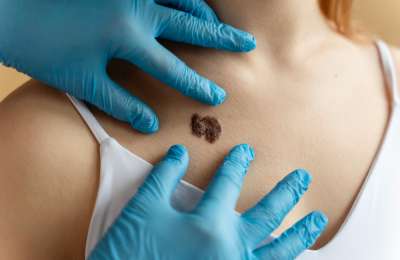
<p>It has been said for ages that too much sun can bring on skin cancer. Now, though, scientists are claiming that 20 minutes in the sun could help lower the risk of heart disease.</p>
<p>The sunlight’s UV is known to have a number of benefits by helping the body produce vitamin D. It is also the main cause of damage that causes skin cancer.</p>
<p>But University of Edinburgh researchers found that exposure to ultraviolet light lowered the blood pressure of volunteers.</p>
<p>They say the findings may lead them to reconsider current advice for sun exposure.</p>
<p>High blood pressure is one of the main risk factors in heart disease and stroke, affecting around one-third of the population.</p>
<p>But the scientists believe that the sun’s UV rays cause nitrogen stored in the body to be released into the blood stream, relaxing blood vessels and lowering blood pressure.</p>
<p>However, they also warn of the skin-cancer dangers of excessive exposure to UV light, so it’s a finely-balanced subject.</p>
<p>Dr Richard Weller, a senior lecturer in dermatology at the University of Edinburgh, who led the research, cautioned that more work on the theory needed to be carried out.</p>
<p>“Before we can offer advice to patients about using sunlight as a treatment for high blood pressure,</p>
<p>we will look at the relative risks of heart disease and skin cancer in people who have received different amounts of sun exposure,” he said.</p>
<p>“If this confirms that sunlight reduces the death rate from all causes, we will need to reconsider our advice on sun exposure.”</p>
<p>But he added: “We suspect that the benefits to heart health of sunlight will outweigh the risk of skin cancer.”</p>
<p>The researchers, who presented their findings at this week’s International Investigative Dermatology Conference in Edinburgh, studied the blood pressure of 24 volunteers.</p>
<p>They were asked to spend 20 minutes under a UV tanning lamp, which allowed the dose of light to be controlled.</p>
<p>The scientists found that while receiving UV light, the volunteers’ blood pressure dropped and remained lower than before for up to an hour.</p>
<p>When they were exposed to heat but no UV light from the tanning lamps, their blood pressure also dropped during exposure, but then quickly increased back to previous levels.</p>
<p>Laboratory tests also showed that skin cells exposed to UV light released nitric oxide, a nitrogen-based chemical known to cause blood vessels to relax.</p>
<p>Nina Goad, from the British Association of Dermatologists, warned that the latest findings were still in their early stages as the study had been very small.</p>
<p>She added: “Emerging evidence about possible health benefits of sunlight do not invalidate the indisputable weight of evidence showing the link between excess UV exposure and skin cancer, which is the UK’s most common form of cancer.”</p>
<p>&nbsp;</p>
]]></content:encoded>
			<wfw:commentRss>http://www.canarianweekly.com/sunshine-risk-heart-disease/feed/</wfw:commentRss>
		<slash:comments>0</slash:comments>
		</item>
		<item>
		<title>Hormone pills could see off breast cancer as well</title>
		<link>http://www.canarianweekly.com/hormone-pills-breast-cancer/</link>
		<comments>http://www.canarianweekly.com/hormone-pills-breast-cancer/#comments</comments>
		<pubDate>Fri, 03 May 2013 10:28:46 +0000</pubDate>
		<dc:creator>admin</dc:creator>
				<category><![CDATA[Health & Beauty]]></category>

		<guid isPermaLink="false">http://www.canarianweekly.com/?p=17748</guid>
		<description><![CDATA[WOMEN with a high risk of breast cancer could soon be given a drug to reduce their chance of getting the disease. Landmark research has found that taking the hormone pill tamoxifen &#8211; or three other similar drugs &#8211; can reduce the risk by 40%. The aim is to reduce the odds of developing breast [...]]]></description>
				<content:encoded><![CDATA[<p><a href="http://www.canarianweekly.com/wp-content/uploads/2013/05/Health-5.jpg"><img class="alignleft size-thumbnail wp-image-17749" title="Health 5" src="http://www.canarianweekly.com/wp-content/uploads/2013/05/Health-5-150x150.jpg" alt="" width="150" height="150" /></a>WOMEN with a high risk of breast cancer could soon be given a drug to reduce their chance of getting the disease.</p>
<p>Landmark research has found that taking the hormone pill tamoxifen &#8211; or three other similar drugs &#8211; can reduce the risk by 40%.</p>
<p>The aim is to reduce the odds of developing breast cancer in the first place &#8211; just as statins are given to patients to ward off heart disease.</p>
<p>Cancer ResearchUKestimates as many as 10% of women &#8211; equivalent to around 500,000 people &#8211; are considered to be in the high-risk category.</p>
<p>Tamoxifen, which has been used to treat osteoporosis for more than 30 years, usually after surgery, has saved the lives of hundreds of thousands at a cost of just a few pence a day.</p>
<p>But it is not currently approved as a preventative treatment for breast cancer in theUK.</p>
<p>The other drugs involved in the research &#8211; raloxifene, arzoxifene, and lasofoxifene &#8211; are, primarily, all treatments for osteoporosis, the fragile-bone disease.</p>
<p>The National Institute for Health and Care Excellence (NICE), the watchdog responsible for advising the NHS on good practice, provisionally recommended the medication in January.</p>
<p>The organisation is likely to make a firm decision in the summer, in a move that could benefit up to half-a-million women.</p>
<p>A new study into the medical records of 83,000 women revealed that taking the drugs reduced their risk of developing breast cancer by 38%.</p>
<p>After five years of them taking the medication, the risk fell by 42%.</p>
<p>The drugs, known as selective oestrogen receptor modulators, target oestrogen-sensitive molecules on cells in the breast, and other parts of the body.</p>
<p>Research leader Professor Jack Cuzick, from Queen Mary,UniversityofLondon, said: “These are very encouraging results.</p>
<p>“They pave the way for more widespread use of these drugs in high-risk women in a manner similar to the way statins, which reduce cholesterol, and drugs which lower blood pressure, are used to reduce the risk of heart disease and stroke.”</p>
<p>The risk of breast cancer in the general population is one in eight, but this rises to one in three for high-risk women, and one in four for those whose risk is deemed to be moderate.</p>
<p>Almost 50,000 women a year are diagnosed with breast cancer. Of these, around 2,400 have inherited faults in known breast-cancer genes, while a further 5,000-7,000 are affected by genes not yet identified.</p>
<p>Previous international trials showed that tamoxifen reduced the risk of the most common kind of breast cancer by one-third after five years, with the preventative effect lasting up to 20 years.</p>
<p>Experts say the cost to the NHS would be relatively low because the drugs are not branded, and fewer women would need treating for the disease.</p>
<p>Many breast cancers rely on the female sex hormone oestrogen to grow. These cancers are known as oestrogen-receptor positive (ER-positive) breast cancers</p>
<p>Hormone-positive breast cancer cells have proteins called receptors, to which sex hormones attach.</p>
<p>When oestrogen comes into contact with the receptors, it fits into them and stimulates the cancer cells to divide so that the tumour grows.</p>
<p>Tamoxifen fits into the oestrogen receptor and blocks oestrogen from reaching the cancer cells. This means the cancer either grows more slowly, or stops growing altogether.</p>
<p>But despite the researchers’ positive results, the study showed that the drugs increased the risk of blood clots significantly, while tamoxifen raises the risk of developing womb cancer.</p>
<p>Hazel Nunn of Cancer ResearchUK, which funded the study, said: “These results provide some of the clearest evidence to date of the ability of these drugs to prevent breast cancer.</p>
<p>“The study also offers clarity on the frequency of side-effects, which can be expected from these drugs.”</p>
<p>She added: “Research like this has the potential to reduce the number of women diagnosed with the disease in the future.</p>
<p>“We look forward to the final guidance from NICE and hope it marks the time when women have more options to reduce their risk of breast cancer.</p>
<p>“These drugs have a range of side-effects, though, and they will not be suitable for all women. So we urge them to discuss their options with their doctors.”</p>
]]></content:encoded>
			<wfw:commentRss>http://www.canarianweekly.com/hormone-pills-breast-cancer/feed/</wfw:commentRss>
		<slash:comments>0</slash:comments>
		</item>
		<item>
		<title>It’s ‘You Time’!</title>
		<link>http://www.canarianweekly.com/its-you-time/</link>
		<comments>http://www.canarianweekly.com/its-you-time/#comments</comments>
		<pubDate>Fri, 03 May 2013 10:27:25 +0000</pubDate>
		<dc:creator>admin</dc:creator>
				<category><![CDATA[Health & Beauty]]></category>

		<guid isPermaLink="false">http://www.canarianweekly.com/?p=17745</guid>
		<description><![CDATA[HAVE you forgotten what ‘You Time is in the rush of today’s world? Have you forgotten what it feels like to have some special time to yourself? Well, maybe it’s time you put things right by starting with one of the things that shows first about your image &#8211; your hair. And just to repeat [...]]]></description>
				<content:encoded><![CDATA[<p><a href="http://www.canarianweekly.com/wp-content/uploads/2013/05/Health-2.jpg"><img class="alignleft size-thumbnail wp-image-17746" title="Health 2" src="http://www.canarianweekly.com/wp-content/uploads/2013/05/Health-2-150x150.jpg" alt="" width="150" height="150" /></a>HAVE you forgotten what ‘You Time is in the rush of today’s world?</p>
<p>Have you forgotten what it feels like to have some special time to yourself?</p>
<p>Well, maybe it’s time you put things right by starting with one of the things that shows first about your image &#8211; your hair.</p>
<p>And just to repeat what many of our clients say to us:</p>
<p>Having their hair done is a pleasure. It is time they spend away from work, from kids, from partners.</p>
<p>It’s a time for indulging in themselves and leaving the salon feeling so much better about their image.</p>
<p>Sometimes, it’s hard to believe that some people leave their hair for months, saying that they don’t have time to look after it.</p>
<p>But you all must surely have an hour or so every few weeks to keep up with your hair. Leaving it longer only makes thing worse.</p>
<p>It means that often, we have to remove more hair than normal because of the damage done over the months.</p>
<p>But seeing clients leave the salon looking and feeling better makes my job worthwhile. If you’re happy with what we do, then so are we!</p>
<p>It’s up to you to make the most of your salon time by asking questions about what we are doing with your hair.</p>
<p>This is how you build confidence with you stylist and gain their trust.  Often, though, clients don’t even tell us what they want, and we are left to get on with it.</p>
<p>It is trust they have in us, built up over many salon visits. But leaving the salon with what they didn’t want is what most women hate about visiting in the first place.</p>
<p>Having You Time will remind you why you work (or worked) so hard &#8211; to be able to chill in the salon and leave feeling 100% better.</p>
<p>NO excuses! Now find that hour to pamper yourself and reap the benefits.</p>
]]></content:encoded>
			<wfw:commentRss>http://www.canarianweekly.com/its-you-time/feed/</wfw:commentRss>
		<slash:comments>0</slash:comments>
		</item>
		<item>
		<title>Wonder diabetes jab could also solve obesity problems</title>
		<link>http://www.canarianweekly.com/diabetes-jab-solve-obesity-problems/</link>
		<comments>http://www.canarianweekly.com/diabetes-jab-solve-obesity-problems/#comments</comments>
		<pubDate>Fri, 03 May 2013 10:26:03 +0000</pubDate>
		<dc:creator>admin</dc:creator>
				<category><![CDATA[Health & Beauty]]></category>

		<guid isPermaLink="false">http://www.canarianweekly.com/?p=17742</guid>
		<description><![CDATA[A SIMPLE once-a-day jab could be a lifeline for at least 1.5 million diabetes patients. Not only could it help control their condition but it could also fight obesity. The £1.90-a-day breakthrough treatment is far cheaper than using other similar drugs, and it could save the NHS at least £70million over the next five years. [...]]]></description>
				<content:encoded><![CDATA[<p><a href="http://www.canarianweekly.com/wp-content/uploads/2013/05/Health-4.jpg"><img class="alignleft size-thumbnail wp-image-17743" title="Health 4" src="http://www.canarianweekly.com/wp-content/uploads/2013/05/Health-4-150x150.jpg" alt="" width="150" height="150" /></a>A SIMPLE once-a-day jab could be a lifeline for at least 1.5 million diabetes patients.</p>
<p>Not only could it help control their condition but it could also fight obesity.</p>
<p>The £1.90-a-day breakthrough treatment is far cheaper than using other similar drugs, and it could save the NHS at least £70million over the next five years.</p>
<p>Doctors can now prescribe Lyxumia to patients following this week’s approval by the European Medicines Agency.</p>
<p>They have hailed the treatment as a major new tool available to tackle the growing problem of Type 2 diabetes.</p>
<p>It works in tandem with insulin to regulate glucose levels in the body of patients who cannot keep this controlled with insulin alone.</p>
<p>Professor Anthony Barnett, Emeritus Professor of Medicine at theUniversityofBirmingham, warned: “Eventually this disease is going to bankrupt the NHS if we don’t do something about it.”</p>
<p>“By getting blood glucose under control, we can actually help patients dramatically reduce the risk of long-term horrendous complications.”</p>
<p>Although many diabetes patients can control their condition with a good diet and healthy lifestyle, it is a progressive disease and, if blood glucose remains uncontrolled, it can lead to serious complications such as heart attack, amputation and early death.</p>
<p>To keep their diabetes under control, many patients have to inject themselves with insulin several times a day to keep their blood sugar level steady.</p>
<p>Trials have shown that around 100,000 patients treated with insulin alone have glucose levels way over target.</p>
<p>A third of those could be helped with Lyudmila, which works by specifically reducing after-meal glucose, as well as complementing the reduction in before-meal levels from the insulin.</p>
<p>It has an added benefit of helping patients lose weight by preventing the body from storing glucose in fat.</p>
<p>Professor Barnett, who is also a consultant physician at the Heart of England NHS Foundation Trust, said: “This is a very welcome new treatment option, particularly for those patients with Type 2 diabetes now inadequately controlled on insulin.</p>
<p>“Early and aggressive treatment is critical. The launch of Lyxumia, which is a highly-effective treatment for Type 2 diabetes, is an important part of an evolution of therapies, which may help combat the potentially-devastating consequences of this important disease.</p>
<p>“This combination looks fantastic, and this extra benefit is mainly due to this very profound reduction in post-meal glucose.”</p>
<p>The professor added: “Diabetes is a progressive disease, so we need more treatments. Single insulin is not sufficient for every patient. How best to manage these patients is to get blood glucose under control.”</p>
<p>Simon O’Neill, of DiabetesUK, said: “We welcome any new drug that gives more choice to patients and clinicians to help manage diabetes.</p>
<p>“It is a serious condition which, unless managed properly, can lead to devastating complications.”</p>
<p>The lives of nearly four million people are blighted by diabetes but relief appears to be at hand.</p>
<p>And the new treatment is much cheaper than others at around £54 for a 28-day supply, compared with £73.</p>
<p>This means that for every 100 patients, a further 33 can be treated for the same cost.</p>
<p>It has also been shown to cut dramatically the chance of patients suffering a dangerous attack, which is estimated to cost theUKat least £72.2million a year.</p>
<p>&nbsp;</p>
]]></content:encoded>
			<wfw:commentRss>http://www.canarianweekly.com/diabetes-jab-solve-obesity-problems/feed/</wfw:commentRss>
		<slash:comments>0</slash:comments>
		</item>
		<item>
		<title>Statins the new Viagra?</title>
		<link>http://www.canarianweekly.com/statins-viagra/</link>
		<comments>http://www.canarianweekly.com/statins-viagra/#comments</comments>
		<pubDate>Fri, 26 Apr 2013 10:42:57 +0000</pubDate>
		<dc:creator>admin</dc:creator>
				<category><![CDATA[Health & Beauty]]></category>

		<guid isPermaLink="false">http://www.canarianweekly.com/?p=17659</guid>
		<description><![CDATA[STATINS, used to control cholesterol, could also prove to be a cheap and effective treatment for erectile dysfunction. The pills, costing as little as 40p a day, are already taken by around seven million cholesterol victims inBritainto control cholesterol. And they appear to boost a man’s ability to have sex as well! One in 10 [...]]]></description>
				<content:encoded><![CDATA[<p><a href="http://www.canarianweekly.com/wp-content/uploads/2013/04/Health-32.jpg"><img class="alignleft size-thumbnail wp-image-17660" title="Health 3" src="http://www.canarianweekly.com/wp-content/uploads/2013/04/Health-32-150x150.jpg" alt="" width="150" height="150" /></a>STATINS, used to control cholesterol, could also prove to be a cheap and effective treatment for erectile dysfunction.</p>
<p>The pills, costing as little as 40p a day, are already taken by around seven million cholesterol victims inBritainto control cholesterol. And they appear to boost a man’s ability to have sex as well!</p>
<p>One in 10 men in theUKsuffers from erectile dysfunction at some point. Drugs such as Viagra, Cialis and Levitra have revolutionised treatment in the past 10 years. Yet about one-third of men who take them see no improvement.</p>
<p>Statins have attracted interest because evidence suggests that, in some cases, erectile dysfunction may be a warning sign of heart disease.</p>
<p>Blood vessels in the pelvic region can become furred through poor diet, smoking and lack of exercise.</p>
<p>To see if the drugs worked, researchers atTantaUniversityinEgyptrecruited 60 men diagnosed with erectile problems, who’d seen no improvement with Viagra.</p>
<p>They were split into three groups and given a daily 80mg dose of atorvastatin (the normal dose for furred arteries), also known as Lipitor, or a vitamin E supplement or a placebo capsule.</p>
<p>Vitamin E was included because of anecdotal reports that it could also bolster a man’s performance, possible by improving blood flow to the groin.</p>
<p>After six weeks, patients were tested for improvements in their ability to achieve and maintain an erection.</p>
<p>The results, published in the <em>International Journal of Impotence Research,</em> showed that only the men taking a statin saw a significant improvement in their condition.</p>
<p>Doctors assessed the men using a 25-point scale called the International Index of Erectile Dysfunction, and statins saw an average improvement of 53% in their score.</p>
<p>Researchers believe the cholesterol drug aids by increasing production of nitric oxide, which helps blood vessel walls relax and improves blood flow.</p>
<p>In the pelvic area, this better blood flow would lead to improved erections.</p>
<p>Dr David Edwards, a GP who runs a sexual-health clinic for men at the White House Surgery in Chipping Norton, Oxfordshire, said the findings were “interesting”.</p>
<p>That, he said, was because while small studies hinted that statins might work for impotence, patient information leaflets on the drugs warn they can actually cause erectile dysfunction in some people &#8211; although the reasons for this side-effect is unknown.</p>
<p>The doctor added: “A lot of men stop taking them because the data sheet lists erectile dysfunction as one of the potential side-effects.</p>
<p>“But there is increasing evidence that a high dose of statins can improve vascular blood flow, which might help some men.”</p>
<p>Meanwhile, a new study suggests that a daily supplement may work as well as statins in lowering inflammation levels.</p>
<p>Inflammation is thought to play a pivotal role in cancer, heart disease and arthritis.</p>
<p>In the new study, researchers looked at the effect of different supplements &#8211; glucosamine, chondroitin and fish oil &#8211; on levels of C-Reactive Protein (CRP), a protein produced in the liver in response to inflammation and tissue damage.</p>
<p>The researchers, from the Fred Hutchinson Cancer Research Centre in theU.S., studied 9,947 adults, and measured CRP levels in regular supplement takers (having supplements at least 20 days a month) with non-users.</p>
<p>Taking glucosamine (a building block of cartilage extracted from shellfish or plants) was associated with a 17% reduction in CRP in men and women.</p>
<p>Chondroitin (another compound vital for cartilage) produced a 22% reduction in CRP, and taking fish oil regularly was associated with a 16% drop.</p>
<p>Among women, glucosamine was associated with a 27% CRP reduction, and chondroitin with a 33% drop. Yet it was unclear why the supplements seemed to be more potent in women.</p>
<p>&nbsp;</p>
]]></content:encoded>
			<wfw:commentRss>http://www.canarianweekly.com/statins-viagra/feed/</wfw:commentRss>
		<slash:comments>0</slash:comments>
		</item>
		<item>
		<title>A possible life-saver for blood-pressure patients</title>
		<link>http://www.canarianweekly.com/life-saver-blood-pressure-patients/</link>
		<comments>http://www.canarianweekly.com/life-saver-blood-pressure-patients/#comments</comments>
		<pubDate>Fri, 26 Apr 2013 10:41:27 +0000</pubDate>
		<dc:creator>admin</dc:creator>
				<category><![CDATA[Health & Beauty]]></category>

		<guid isPermaLink="false">http://www.canarianweekly.com/?p=17656</guid>
		<description><![CDATA[A SIMPLE “keyhole” operation, which could effectively cure high blood pressure, is being tested on British patients. The breakthrough treatment could save thousands of lives each year following trials which showed a substantial and permanent reduction in blood pressure, and a decrease in necessary drugs. Doctors hope the technique will eventually end the need for [...]]]></description>
				<content:encoded><![CDATA[<p><a href="http://www.canarianweekly.com/wp-content/uploads/2013/04/Health-42.jpg"><img class="alignleft size-thumbnail wp-image-17657" title="Health 4" src="http://www.canarianweekly.com/wp-content/uploads/2013/04/Health-42-150x150.jpg" alt="" width="150" height="150" /></a>A SIMPLE “keyhole” operation, which could effectively cure high blood pressure, is being tested on British patients.</p>
<p>The breakthrough treatment could save thousands of lives each year following trials which showed a substantial and permanent reduction in blood pressure, and a decrease in necessary drugs.</p>
<p>Doctors hope the technique will eventually end the need for powerful drugs and help many patients come off daily medication completely.</p>
<p>Cardiologists inLondonandEastbournecarried out the first half-hour operations using the keyhole process last month.</p>
<p>They regarded the results as “exciting” after patients experienced an immediate reduction in extremely high blood pressure.</p>
<p>Dr Neil Sulke, a cardiologist atEastbourneGeneralHospital, said: “This operation holds the promise of a meaningful, long-term reduction of high blood pressure in patients whose blood pressure isn’t controlled by their medication.”</p>
<p>Mel Lobo, director of the Barts Hypertension Clinic inLondon, added: “This is a very exciting trial which, if successful, has the potential to expand our array of non-drug therapies for resistant or uncontrolled hypertension.</p>
<p>“In the long run, it could benefit an even wider range of patients with hypertension.</p>
<p>“One might speculate that such treatment may even herald a new era of device-based therapy, in which patients may, ultimately, be freed from the need to take high blood pressure drugs on a lifelong daily basis.”</p>
<p>The tests are aimed at significantly improving blood pressure levels in patients who have failed to get it under control, despite taking three or more drugs.</p>
<p>The trial, held at The London Chest Hospital, which is run by Barts Health NHS Trust, involves a minimally-invasive, catheter-based procedure without the need for a general anaesthetic.</p>
<p>It places a small device known as a Rox Coupler to divert blood from an artery to a vein in the upper thigh. And it has led to a huge and permanent reduction in blood pressure.</p>
<p>Dr Lobo added: “This procedure may be especially beneficial for those patients whose hypertension has not been controlled through traditional medications, and who live in constant fear of a heart attack or stroke.”</p>
<p>The procedure is particularly beneficial to those with hypertension, and at least 16 million people suffer from high blood pressure in theUK.</p>
<p>&nbsp;</p>
]]></content:encoded>
			<wfw:commentRss>http://www.canarianweekly.com/life-saver-blood-pressure-patients/feed/</wfw:commentRss>
		<slash:comments>0</slash:comments>
		</item>
		<item>
		<title>Secret to long life?</title>
		<link>http://www.canarianweekly.com/secret-long-life/</link>
		<comments>http://www.canarianweekly.com/secret-long-life/#comments</comments>
		<pubDate>Fri, 12 Apr 2013 11:39:20 +0000</pubDate>
		<dc:creator>admin</dc:creator>
				<category><![CDATA[Health & Beauty]]></category>

		<guid isPermaLink="false">http://www.canarianweekly.com/?p=17534</guid>
		<description><![CDATA[IT has been touted as a cure-all for diabetes, dementia, heart disease, hearing loss and could even hold the key to long life. But researchers warn that the “miraculous” health benefits of red wine cannot be reaped if you are obese. Resveratrol, the active compound found in the skins of red grapes and cocoa, is [...]]]></description>
				<content:encoded><![CDATA[<p><a href="http://farm9.static.flickr.com/8260/8642781142_8d66ed5488_m.jpg"><img class="alignleft" title="health 4" src="http://farm9.static.flickr.com/8260/8642781142_8d66ed5488_m.jpg" alt="" width="240" height="135" /></a>IT has been touted as a cure-all for diabetes, dementia, heart disease, hearing loss and could even hold the key to long life.</p>
<p>But researchers warn that the “miraculous” health benefits of red wine cannot be reaped if you are obese.</p>
<p>Resveratrol, the active compound found in the skins of red grapes and cocoa, is an antioxidant produced by plants to help protect them from extreme environments.</p>
<p>It also blocks the effects of ultra-violet sunlight, infections and temperature changes and could one day enable you to live up to 150 years of age!</p>
<p>The research, published in the journal <em>Diabetes,</em> found that although test-tube studies had suggested that resveratrol had an effect on obesity, diabetes, high blood-pressure and blood cholesterol, it had no effect on 24 obese, but otherwise healthy men.</p>
<p>The study, carried out byDenmark’sAarhusUniversityHospital, gave 12 men high-dose supplements of the substance, and another 12 men a placebo for four weeks.</p>
<p>Over this period, each participant’s insulin sensitivity, blood pressure, cholesterol, and resting energy expenditure were monitored.</p>
<p>Researchers found that there was an insignificant decrease in insulin sensitivity, and no change in blood pressure, cholesterol and resting energy expenditure.</p>
<p>“The lack of effect disagrees with previous data obtained, and it raises doubts about the justification of resveratrol as a human nutritional supplement,” said the scientists.</p>
<p>The research contradicts previous data showing that the life of lab rodents &#8211; including old, fat, and even diabetic mice &#8211; could be extended by supplementing the diet with the chemical.</p>
<p>It was presumed that the chemical could work in the same way for humans.</p>
<p>Indeed, on one proponent of resveratrol,HarvardMedicalSchool’s Dr David Sinclair has claimed that the chemical will eventually lead to the development of drugs which will enable humans to live until 150!</p>
<p>Last month, he and his team showed that resveratrol possesses potent, anti-ageing effects because it stimulates the production of a substance called SIRT1.</p>
<p>The serum blocks ageing and disease by speeding up a person’s cell energy production.</p>
<p>“Things are looking promising,” said Dr Sinclair. “We’re finding that ageing isn’t the irreversible affliction we thought it was, but we won’t get much further without more research.”</p>
<p>&nbsp;</p>
]]></content:encoded>
			<wfw:commentRss>http://www.canarianweekly.com/secret-long-life/feed/</wfw:commentRss>
		<slash:comments>0</slash:comments>
		</item>
	</channel>
</rss>

<!-- Performance optimized by W3 Total Cache. Learn more: http://www.w3-edge.com/wordpress-plugins/

Served from: www.canarianweekly.com @ 2013-05-26 09:00:34 -->